The use of artificial turf in residential settings has become increasingly popular in recent years. This trend is largely driven by homeowners seeking practical and sustainable alternatives to natural grass lawns. Artificial turf offers a range of advantages that make it a preferred choice for many residential properties. This article explores the key benefits of residential artificial turf installation and why it is considered a worthwhile investment.
Low Maintenance Requirements
One of the primary benefits of installing residential artificial turf is the significant reduction in maintenance efforts. Unlike natural grass, artificial turf does not require regular mowing, watering, fertilising, or pest control treatments. This means that homeowners can save considerable time and effort that would otherwise be spent on lawn care.
Eliminating routine lawn maintenance also reduces ongoing costs, shares the Hometown Holdings team. Expenses related to lawn mowers, sprinkler systems, fertilisers, and herbicides are largely eliminated when artificial turf is installed, making it a cost-effective solution over time.
Water Conservation
Water scarcity and environmental concerns have led many homeowners to reconsider their garden landscapes. Artificial turf requires no watering, which contributes to substantial water savings, especially in areas prone to drought or water restrictions. This feature aligns with sustainable landscaping practices and helps reduce overall household water consumption.
Year-Round Aesthetic Appeal
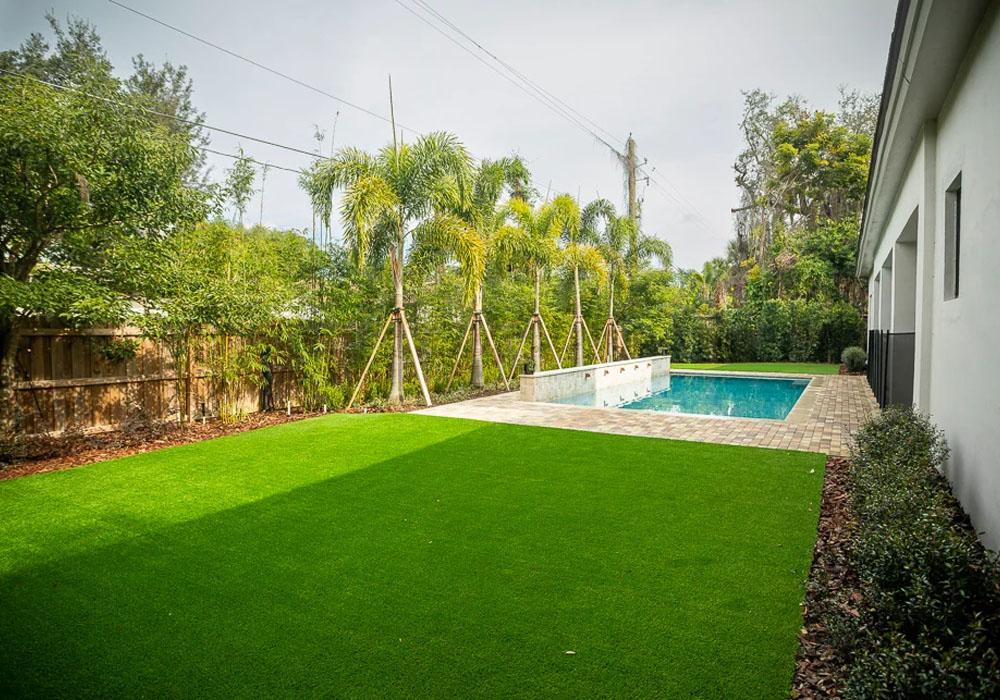
Residential artificial turf maintains its vibrant green colour and lush appearance regardless of seasonal changes or weather conditions. Unlike natural grass that may brown or become patchy during dry or cold periods, synthetic turf provides a consistently attractive lawn throughout the year. This also enhances the curb appeal of properties.
Durability and Longevity
Modern artificial turf products are designed to be highly durable and resistant to wear and tear. These materials can withstand heavy foot traffic, making them suitable for families with children and pets. The longevity of artificial turf means it can provide a dependable lawn solution for many years without the need for frequent replacement or repair.
Allergen Reduction
Natural grass can contribute to pollen allergies and other irritations. Artificial turf eliminates this concern because it does not produce pollen, thereby creating a more comfortable environment for allergy sufferers. This health-related benefit is an important consideration for families seeking to minimise allergic reactions caused by the outdoor environment.
Pet-Friendly Surfaces
Artificial turf is particularly advantageous for households with pets. It is resistant to damage from pet activity and easy to clean, reducing odours and maintaining hygiene. Additionally, the turf drains efficiently, ensuring that pet waste does not create muddy or unsightly patches in the garden.
Environmental Impact
While artificial turf is a synthetic product, it offers environmental benefits by reducing the need for mowing equipment that emits greenhouse gases and the use of chemical treatments harmful to ecosystems. Furthermore, water conservation associated with artificial turf installation contributes positively to environmental sustainability.
Improved Usability
The consistent and even surface of artificial turf enhances usability for recreational activities. Homeowners can confidently use their outdoor spaces for sports, play, or social gatherings without concern for muddy patches or uneven terrain. This increases the functional value of the garden.
Cost-Effectiveness Over Time
Although the initial installation cost for artificial turf can be higher than traditional turf, the long-term savings on maintenance, water, and lawn care equipment make it a financially sound option. When considering the lifetime value, residential artificial turf installation proves to be economically beneficial.
Resistance to Pests
Artificial turf does not provide a habitat for common lawn pests such as insects and rodents, reducing the likelihood of infestations. This reduces the need for pesticides and other interventions, which can be hazardous and costly.
Installation Flexibility
Artificial turf can be installed in a variety of residential outdoor settings, including gardens, balconies, patios, and rooftops. Its adaptability allows homeowners to transform otherwise unusable or unattractive areas into green spaces, increasing both the aesthetics and utility of their property.
Consistent Drainage System
Most artificial turf installations include an efficient drainage system incorporated beneath the surface. This system allows rainwater to drain effectively, preventing puddles and waterlogging that can occur with natural grass. This feature helps preserve the condition of the turf and maintains comfort underfoot.
Enhanced Property Value
Improved garden aesthetics and reduced maintenance appeal can contribute to increasing the value of a residential property. Prospective buyers often appreciate the convenience and visual appeal offered by artificial turf, enhancing marketability.
Customisable Appearance and Features
Artificial turf is available in various shades, pile heights, and densities, allowing homeowners to select options best suited to their aesthetic preferences and functional requirements. Additionally, the turf can be combined with other landscape materials to create distinctive and personalised garden designs.
Reduction in Soil Erosion
Artificial turf helps stabilise soil surfaces, preventing erosion that can occur on natural lawns, especially on slopes or areas with heavy traffic. This contributes to maintaining the structural integrity of garden landscapes.
Conclusion
The installation of residential artificial turf presents multiple benefits that contribute to enhanced home environments, cost savings, and sustainability. Its low maintenance requirements, water conservation advantages, durability, and year-round attractiveness make it a viable alternative to natural lawns. For homeowners seeking practical solutions that combine aesthetics with functionality, artificial turf installation offers significant advantages worth considering.