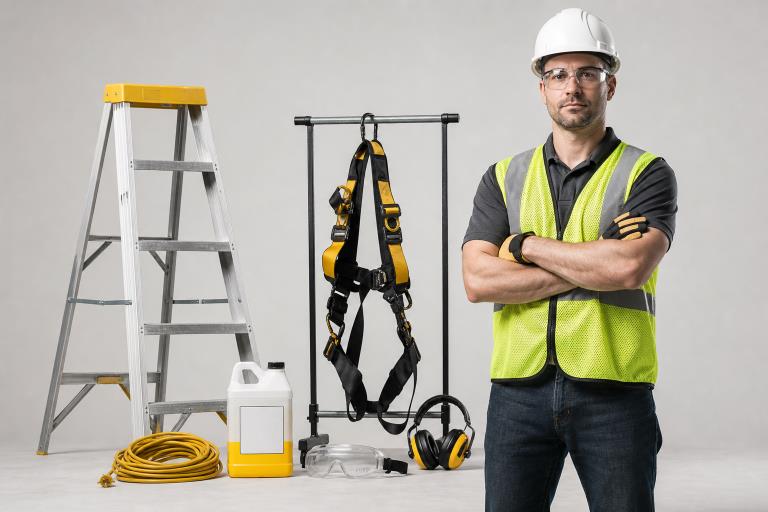
For entry-level workers, an online OSHA 10 course can be a practical way to build basic safety awareness before starting a new job or moving to a new project. A clear OSHA 10 certification guide can also help workers understand the enrollment process, choose the appropriate industry track, and prepare for what happens after they complete the course.
Online learning is not a shortcut around workplace safety responsibilities. Instead, it offers a more convenient format for completing entry-level hazard-awareness training. The OSHA Outreach Training Program is designed to introduce workers to common job hazards, worker rights, employer responsibilities, and ways to recognize unsafe conditions before they lead to an injury.
Why Online OSHA 10 Training Fits Modern Work Schedules
Work schedules are rarely simple for new employees. A worker may be balancing early construction shifts, classes, childcare, a second job, or an active job search. Online OSHA 10 training can make it easier to fit lessons into available time without having to travel to a classroom at a fixed location. That can reduce transportation costs, parking concerns, and missed work hours.
For example, a new construction worker whose start times vary from week to week may complete a lesson after an early shift and then return to the next section on a different day. Online access can be especially helpful for workers who live far from training centers or move frequently between job sites. The course must still adhere to required instructional time and provider rules, so it should be viewed as flexible rather than instant.
What an OSHA 10 Course Covers
OSHA 10 is entry-level training, not a professional license, and not a substitute for employer-provided job-specific training. Its purpose is to give workers a foundation for noticing hazards, understanding their rights, and taking reasonable steps to protect themselves and others.
Topics vary by industry track, but OSHA 10 training commonly includes:
- An introduction to OSHA, worker rights, and employer responsibilities.
- Fall hazards and walking-working surfaces.
- Personal protective equipment, including when and how to use it.
- Electrical safety and common risks involving cords, tools, and temporary power.
- Fire protection, emergency action plans, and evacuation awareness.
- Hazard communication, including labels and safety data sheets.
- Materials handling and additional job-related safety topics.
Key Benefits of Online Training
Flexible Study Times
Self-paced course access can help workers study when they are alert and able to focus. Rather than rushing across town after a long shift, a learner may complete sections at a more manageable time. This can make safety concepts easier to absorb and reduce the pressure of fitting training into an already full day.
Lower Travel Demands
Online learning removes the need to commute to every class session. For workers in rural areas, people without dependable transportation, or employees assigned to changing job sites, that convenience can be significant. Less travel also means fewer scheduling conflicts when work hours shift unexpectedly.
Easier Review of Difficult Topics
Digital lessons often allow learners to pause and revisit material before moving forward. That is useful when reviewing complex topics such as ladder safety, fall protection, electrical hazards, or chemical labels. Repetition does not replace hands-on instruction when required, but it can strengthen a worker’s understanding of basic safety principles.
Faster Access to Training
Online courses may allow enrollment whenever a worker is ready, rather than requiring them to wait for a local classroom date. Before paying, however, workers should confirm that the provider is authorized to deliver the specific OSHA Outreach course they need.
A Convenient Record of Completion
Workers should save their receipts, completion details, card information, and provider contact information. OSHA does not keep individual Outreach class records for students, so the original trainer or online provider is the important contact if a replacement card is needed later.
How Training Supports Safer Workplaces
Safety training matters because many jobsite incidents begin with a hazard that was overlooked, accepted as normal, or never reported. OSHA 10 cannot prevent every injury, but it can help workers recognize warning signs and ask better questions before beginning unfamiliar tasks.
In construction, the stakes are clear. The private-sector construction industry recorded 1,034 workplace deaths in 2024, including 389 fatal falls, slips, and trips. Basic hazard awareness is only one part of prevention, but workers who understand the risks may be more likely to speak up when a guardrail is missing or fall protection is not being used correctly.
- Recognizing a missing guardrail before work begins.
- Checking chemical labels before handling a product.
- Inspecting ladders, cords, and protective equipment.
- Staying clear of suspended loads and moving equipment.
- Knowing how to report a safety concern or potential violation.
Career Value for Entry-Level Workers
An OSHA 10 card can show that an applicant has taken basic steps to prepare for safety-focused work. Some employers, contractors, unions, municipalities, states, and public projects may request it before allowing a worker onto a site. It may also give a new employee more confidence during interviews, orientations, and toolbox talks.
Still, completion does not guarantee employment or replace other requirements. Depending on the position, a worker may also need equipment-specific instruction, first-aid training, trade credentials, site orientation, or employer training on the exact hazards of the job.
How to Choose a Quality Online Course
Before enrolling, use this checklist to make a careful decision:
- Confirm that the provider appears on OSHA’s current list of authorized online Outreach providers.
- Select the correct course track, such as Construction or General Industry.
- Review the course format, time requirements, quizzes, and completion rules.
- Check how and when the provider issues the completion card.
- Look for clear customer support and easy-to-follow instructions.
- Ask whether the course is available in a language the worker understands well.
- Keep copies of the receipt, completion record, and card.
Mistakes to Avoid Before Enrolling
- Choosing the lowest-priced course without checking authorization.
- Assuming every OSHA-related class issues an official Outreach completion card.
- Taking Construction training when General Industry training is needed, or the reverse.
- Believing the card replaces employer-required hazard training.
- Waiting until the first jobsite day to check local, union, or project rules.
- Losing the provider’s contact details and course documentation.
Common Questions About OSHA 10 Online Training
Is OSHA 10 training required everywhere?
No. Federal OSHA does not require every worker to complete Outreach training. However, an employer, local government, union, contractor, or project owner may require it as a condition of work.
Can OSHA 10 be completed online?
Yes. Online completion is available through OSHA-authorized independent providers. Always verify the provider and choose the industry track that matches the work you expect to perform.
Does an OSHA 10 card expire?
The federal Outreach card does not have a general expiration date. However, an employer, jobsite, union, or local requirement may require a refresher course or a more recent card.
Is OSHA 10 the same as being OSHA certified?
No. The card shows that a worker completed an Outreach course. It is not a professional license, and OSHA does not describe Outreach completion as worker certification.
How long does online training take?
The course includes 10 hours of instruction and is typically completed over multiple days due to program limits. The exact pace depends on the approved provider and course format.
A Practical First Step Toward Safer Work
Online OSHA 10 training can provide flexibility, easier review, and a useful introduction to everyday job hazards. The best option is not simply the fastest or cheapest course. It is an authorized course that aligns with the worker’s industry, meets project expectations, and supports safer decisions on the job.