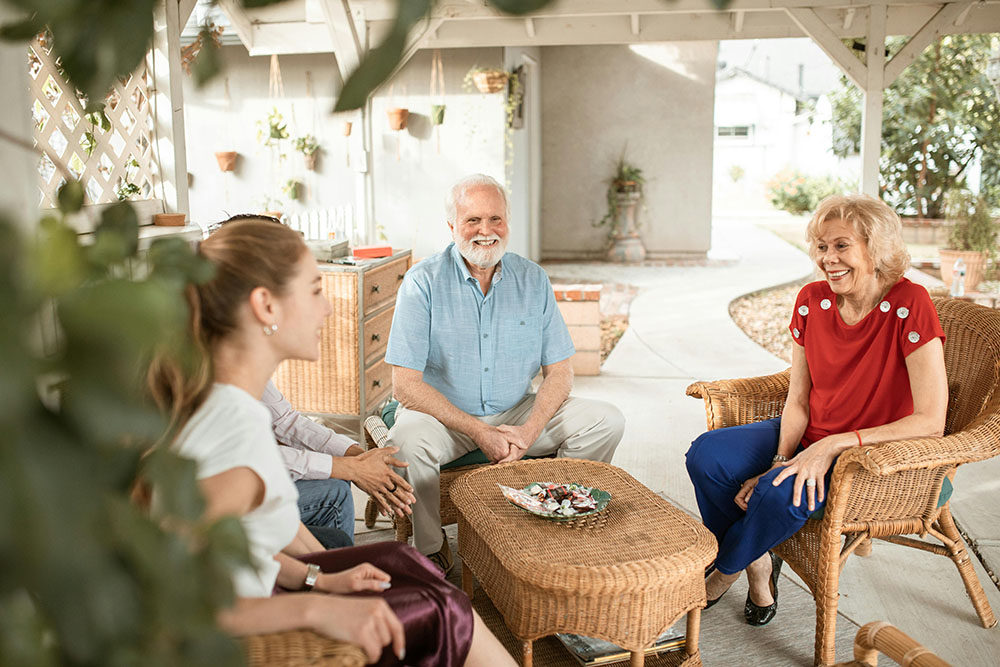
Friendship is an essential part of life, offering connection, support, and a sense of belonging at every stage. While relationships may evolve over time, the need for meaningful interaction remains constant. Building and maintaining friendships can enrich daily life and contribute to both emotional and mental well-being.
As people move through different life phases, opportunities to form new connections may look different, but they are always present. Whether through shared experiences, common interests, or supportive environments, meaningful friendships can continue to grow. With openness and intention, it is possible to build strong, lasting relationships at any age.
The Importance of Connection in Later Life
Friendships play a crucial role in promoting happiness and emotional health. Having people to share experiences with can provide comfort, reduce stress, and create a positive outlook on life. These connections help individuals feel valued and understood, which is especially important as routines and circumstances change over time.
In later life, friendships can also offer a sense of stability. As family dynamics shift or social circles evolve, maintaining connections helps preserve a feeling of continuity. These relationships become a reliable source of encouragement and companionship.
Being socially connected has also been linked to improved overall well-being. Regular interaction with others supports both mental engagement and emotional resilience, making friendships a key component of a balanced lifestyle.
Finding Opportunities to Meet New People
Meeting new people can feel challenging at times, but there are many natural opportunities to form connections. Participating in group activities, attending community events, or joining classes centered around shared interests can create a welcoming environment for interaction. These settings often encourage conversation and make it easier to connect with others.
Living in a community setting can further support these opportunities. In environments such as Glassford Place, shared spaces and organized activities create natural occasions for residents to meet and engage. This type of setting helps build familiarity and comfort, which are important for forming new friendships.
Strengthening Existing Relationships
While forming new friendships is important, nurturing existing relationships is equally valuable. Staying in touch with friends and loved ones helps maintain strong emotional bonds. Regular communication, whether through visits, phone calls, or shared activities, keeps these connections active and meaningful.
Making time for others demonstrates care and commitment, which strengthens trust and understanding. Even simple gestures, such as checking in or sharing a conversation, can reinforce these relationships. Over time, these small acts contribute to deeper and more lasting connections.
The Role of Shared Experiences
Shared experiences are often the foundation of strong friendships. Engaging in activities together creates memories and fosters a sense of connection. Whether it is participating in a hobby, attending events, or simply spending time together, these moments build a sense of camaraderie.
Group activities can be especially effective in bringing people together. They provide a natural setting for interaction and allow individuals to bond over common interests. These shared experiences often lead to conversations and connections that extend beyond the activity itself.
Overcoming Barriers to Connection
At times, individuals may face challenges when trying to build or maintain friendships. These can include changes in health, mobility, or confidence in social situations. Recognizing these barriers is the first step toward addressing them and finding ways to stay connected.
Taking small, manageable steps can make the process less overwhelming. This might involve attending smaller gatherings, reaching out to one person at a time, or participating in activities that feel comfortable. Gradually, these efforts can build confidence and lead to stronger connections.
Supportive environments and communities can also help reduce these barriers. Having access to welcoming spaces and opportunities for interaction makes it easier to engage without added pressure.
Embracing Openness and Positivity
Building meaningful friendships often begins with an open and positive mindset. Being willing to meet new people and engage in conversations creates opportunities for connection. A friendly approach can make interactions feel more natural and enjoyable.
Positivity also plays a role in sustaining relationships. Approaching friendships with kindness, patience, and understanding helps build trust and mutual respect. These qualities are essential for creating lasting and meaningful connections.
Conclusion
Building meaningful friendships at any age is both possible and deeply rewarding. By seeking out opportunities for connection, nurturing existing relationships, and embracing shared experiences, individuals can create strong and lasting bonds. With openness, consistency, and a supportive environment, friendships can continue to grow and enrich life in meaningful ways.