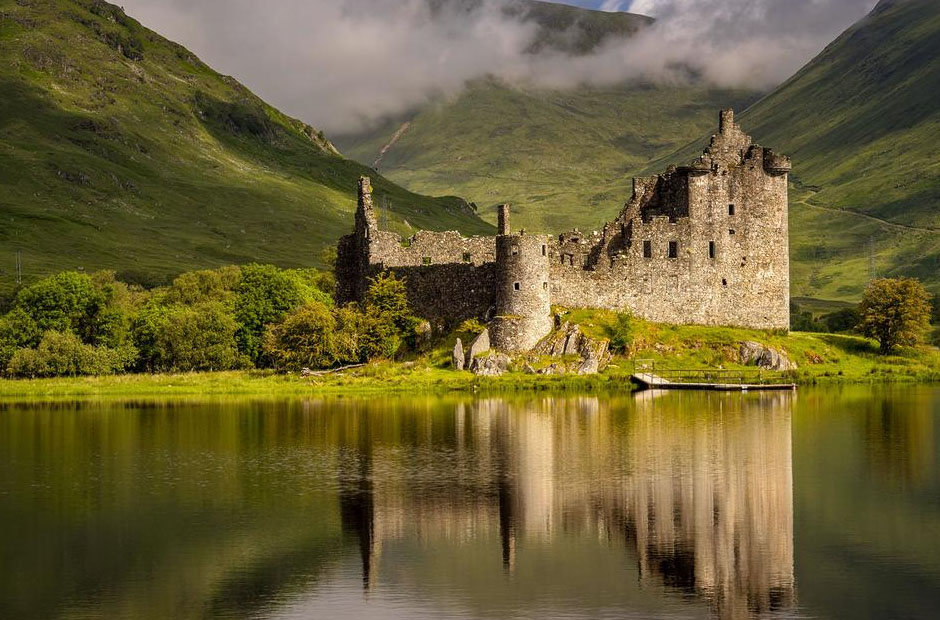
Dunblane is in a unique spot in central Scotland. Its location means the town deals with a maritime climate that keeps things interesting for travelers. Hikers usually prefer the clearer days while history buffs might visit even when the clouds roll in. Tourism here relies on how people react to the sky. Real-time updates help people make quick choices about driving up from Glasgow or Stirling for a day trip. Knowing the current weather Dunblane helps visitors avoid getting caught in a sudden downpour without a jacket.
Dunblane’s Climate & Visitor Footfall
Dunblane’s geographic position gives it a climate that shifts meaningfully with each season. That variability directly influences traveling patterns. History enthusiasts tend to visit (regardless of season) drawn to the Cathedral and local heritage sites. Outdoor adventurers pay close attention to forecasts before booking. Meteorological data in real time plays a strong role in last minute travel decisions.
Spring- Natural Awakening and Outdoor Exploration
Dunblane’s spring brings rising temperatures & longer daylight hours (and also unpredictable rainfall). Visitors start returning to the Allan Water riverside paths and surrounding green spaces. Nature photographers come specifically for the spring blooms across the Stirlingshire countryside.
The key traveler tip for spring: pack for four seasons in one day. Mornings can be crisp, afternoons warm, and evenings wet. Layers are non-negotiable.
Summer- Peak Tourism and Mild Temperatures
July and August bring Dunblane’s busiest visitor period. Mild temperatures and longer dry spells support outdoor activity across the region.
Key summer draws include:
- Golfing at local courses, which benefit significantly from dry conditions
- Cycling and hiking routes through the Ochil Hills
- Relaxed walks along the Allan Water
Summer showers do occur. When they arrive, visitors typically shift toward the Dunblane Museum and Cathedral, which keeps indoor heritage sites busy even on off days.
Autumn- Visual Appeal and Cozy Tourism
Autumn in Stirlingshire is visually striking. Cooling temperatures and changing foliage create a specific draw for photography tourism that few other Scottish towns replicate at the same scale. Travel itineraries naturally shift toward indoor experiences during this period.
Local cafes, pubs, and heritage sites see a steady increase as shorter days and cooler air change the pace of a visit. Autumn travel here leans slower and more immersive, which appeals to a growing segment of travelers looking for that kind of experience.
Winter- Quiet Season, Clear Advantages
Winter brings frost, occasional mist, and sometimes snow to Dunblane. Visitor numbers drop, but that comes with real benefits. Costs fall, crowds disappear, and the town takes on a quieter, more atmospheric quality.
Festive markets and local holiday shopping activity give winter visits a social dimension. The one practical concern is transport. Ice and heavy rain can affect road and rail links between Dunblane, Stirling, and Glasgow, so checking conditions before travel is a sensible step.
Planning a Trip to Dunblane: Practical Considerations
Knowing the weather Dunblane patterns season by season helps visitors arrive prepared rather than surprised. Checking a reliable hyper-local forecast before departure is one of the simplest ways to improve any trip. MeteoFlow offers weather data updated every 15 minutes. It is a practical tool for travelers who want accurate conditions right up to arrival.