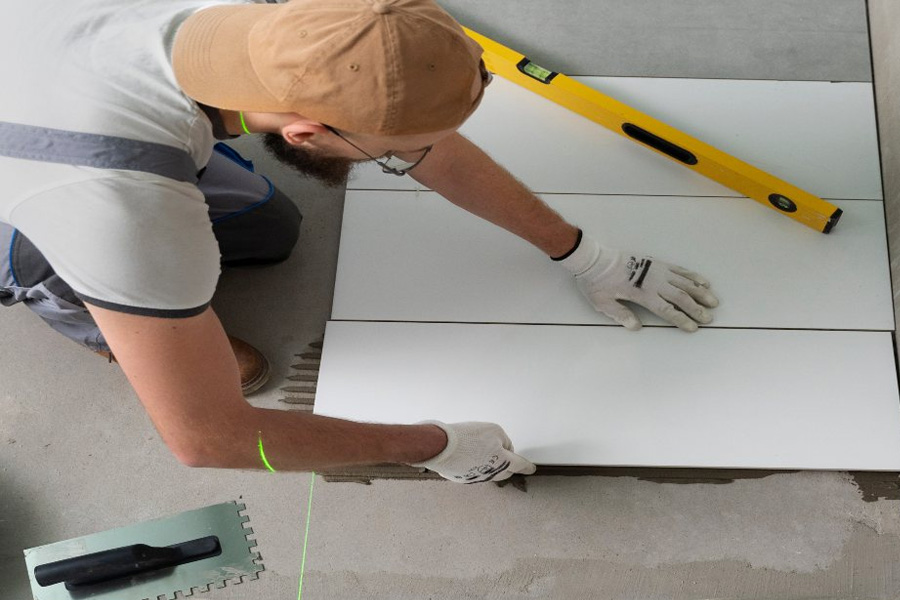
Many homeowners focus on selecting the perfect tile for their renovation project, but often overlook the factors that determine whether that tile installation will perform well for years or begin developing problems shortly after completion.
In Tampa, flooring systems face unique challenges that are not always present in other parts of the country. High humidity, moisture exposure, concrete slab movement, and changing environmental conditions can all affect the long-term performance of tile floors. Even high-quality tile can experience issues when installation methods, surface preparation, or material selection are not properly addressed.
Working with professional tile installers in Tampa can help homeowners identify potential problems before installation begins and create a flooring system designed to handle Florida’s conditions.
Why Tile Problems Often Start Below the Surface
Many tile failures begin underneath the finished floor, which homeowners cannot see.
A tile floor may appear perfectly installed on the surface, while hidden conditions underneath slowly create stress within the flooring system. Over time, these conditions can lead to cracked tile, loose grout, hollow sounds, uneven surfaces, or moisture-related damage.
One of the most common issues found in Tampa homes is improper floor preparation. Existing flooring materials, adhesive residue, uneven concrete, surface contamination, or hidden cracks can all impact the bond strength of tile to the substrate.
When surface preparation is rushed or skipped, the finished tile installation may not have the stable foundation needed for long-term performance.
Concrete Slab Movement and Florida Conditions
Most homes throughout the Tampa Bay area are built on concrete slabs. Although concrete appears solid and stable, it naturally expands, contracts, and shifts over time. Small movements may seem insignificant, but tile is a rigid material that does not flex easily.
As concrete moves, stress can transfer directly into the tile installation. This often results in cracked grout lines, loose tiles, or visible fractures in the flooring surface. Florida’s climate can accelerate these challenges. Seasonal moisture changes, humidity, and temperature fluctuations may contribute to movement within the slab and surrounding building materials. Proper crack isolation methods, expansion considerations, and professional installation practices can help reduce the risk of future tile failure.
Moisture Problems That Affect Tile Floors
Moisture is another common issue in Tampa homes. Water vapor can travel through concrete slabs, especially in older properties or areas where moisture protection systems were never installed. Excess moisture beneath flooring materials can affect thinset performance, weaken bonds, and create conditions that lead to installation problems. Many homeowners are surprised to learn that moisture-related flooring issues can develop even when no visible water leak is present. Evaluating moisture conditions before installation is often an important step, particularly in Florida homes where humidity levels remain elevated throughout much of the year.
Hollow Tiles and Poor Bonding Issues
A tile floor should feel solid underfoot. When tiles begin producing hollow sounds, it may indicate that proper adhesion was not achieved during installation. Hollow areas can develop when thinset coverage is insufficient, surface preparation is inadequate, or installation methods fail to provide full support beneath the tile. Over time, these unsupported areas may become more vulnerable to cracking, chipping, or movement. Large-format tile installations are particularly sensitive to proper bonding techniques because larger tiles require consistent support across a greater surface area.
Professional installation practices help improve tile coverage and reduce the risk of hollow spots developing after installation.
Grout Failure Is Often a Symptom, Not the Cause
Homeowners frequently notice grout cracking before they notice any other flooring problem. While damaged grout may appear to be a simple cosmetic issue, it often indicates movement somewhere within the flooring system. Substrate movement, structural changes, moisture expansion, or installation deficiencies can all place stress on grout joints. Replacing grout without addressing the underlying cause may only provide a temporary solution. Identifying why grout is failing is often more important than simply repairing the visible damage.
Large-Format Tile Requires Additional Planning
Large-format tile continues to grow in popularity throughout Tampa homes. The clean appearance and modern aesthetic appeal of larger tile sizes make them attractive for kitchens, bathrooms, living spaces, and open-concept floor plans. However, larger tiles also require more precise floor preparation than traditional tile sizes. Even minor variations in the substrate can create lippage, uneven transitions, or bonding problems. Professional floor evaluation, leveling, and surface correction often become more important as tile sizes increase.
Proper preparation helps create a flatter installation surface and improves overall appearance once the project is complete.
Bathroom Tile Installations Face Unique Challenges
Bathrooms create a combination of moisture exposure, temperature changes, and daily use that places additional demands on tile systems. Showers, bathroom floors, and wet areas require more than attractive tile selections. Waterproofing systems, proper drainage, slope requirements, and moisture management all contribute to long-term performance. Many bathroom problems begin long before visible signs of damage appear. Water infiltration behind tile, failed waterproofing systems, and hidden moisture intrusion can lead to expensive repairs if not addressed early.
Professional installation methods help create more reliable protection in moisture-prone environments.
Kitchen Tile Floors Must Handle Heavy Daily Use
Kitchen flooring experiences constant foot traffic, appliance movement, spills, and daily wear. Because kitchens often serve as one of the busiest areas in a home, tile installations must be properly supported and installed to withstand long-term use. Subfloor conditions, slab quality, surface preparation, and tile selection all play important roles in determining how well a kitchen floor performs over time. Investing in proper preparation before installation often helps prevent many of the problems that appear years later.
How Homeowners Can Reduce Future Tile Problems
The best time to prevent tile failures is before installation begins. A thorough evaluation of the existing floor can identify issues that may not be visible once the finished tile is installed. Moisture testing, crack evaluation, floor leveling, surface preparation, and substrate correction can all contribute to better long-term performance.
While tile selection often receives the most attention during a renovation project, the condition of the surface underneath the tile frequently has a greater impact on durability and longevity.
Final Thoughts
Tile flooring remains one of the most durable and attractive flooring options available for Tampa homeowners. However, long-term success depends on far more than choosing a beautiful tile design. Concrete slab conditions, moisture management, floor preparation, thinset coverage, installation techniques, and proper planning all influence how well a tile floor performs over time.
Understanding these factors before installation begins can help reduce the risk of cracked tile, grout failure, hollow spots, and other common flooring problems, allowing homeowners to enjoy better results for years to come.