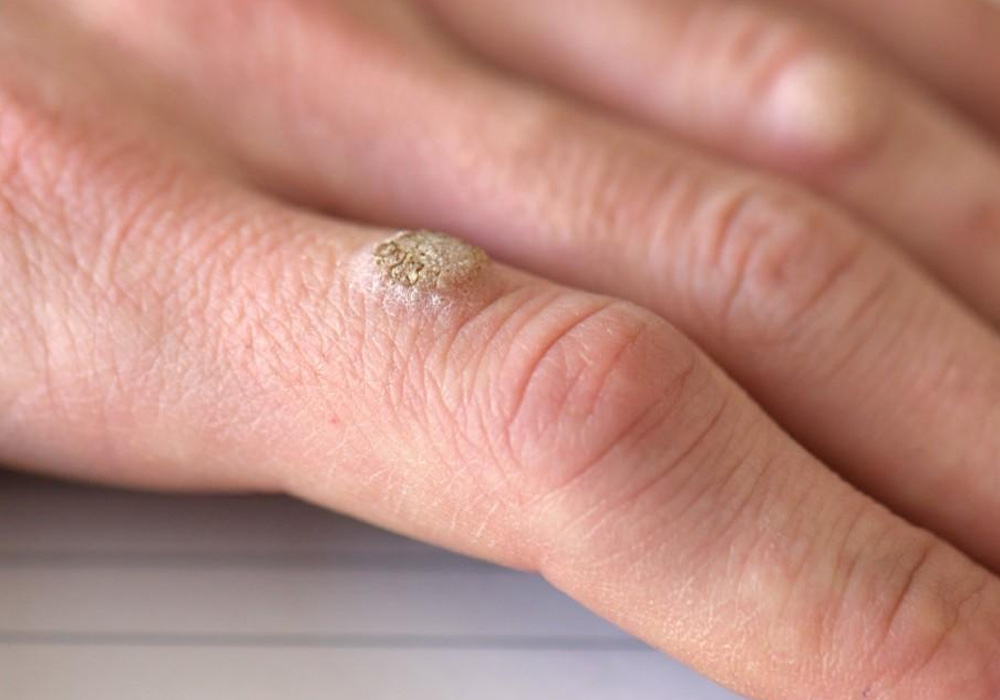
Discovering an unexpected bump on your skin can be a confusing experience. In many cases, these small, rough growths are skin warts. Warts are non-cancerous skin growths that develop when a viral infection occurs in the top layer of the skin. The culprit behind these growths is the Human Papillomavirus, a highly contagious virus that enters the body through tiny cuts or scratches.
Because different strains of the virus target different parts of the body, warts can vary significantly in appearance, texture, and size. Correctly identifying the type of growth on your body is the first step toward finding the most effective treatment.
Common Warts (Verruca Vulgaris)
Common warts are the most frequent type of viral skin growth. They typically develop on the fingers, hands, and around the fingernails.
These growths have a rough, grainy surface that often resembles the texture of a cauliflower. They are usually grayish-brown or flesh-colored and feel hard to the touch. If you look closely at a common wart, you might notice tiny black dots scattered across the surface. Many people refer to these dots as seeds, but they are actually small, clotted blood vessels that supply nutrients to the growing virus.
Plantar Warts (Verruca Plantaris)
Unlike other warts that grow outward, plantar warts are forced inward by physical pressure. These growths develop on the soles of the feet, particularly on the heels or the balls of the feet, which carry the majority of your body weight.
Because they are pushed into the skin, plantar warts can make walking or running feel like you have a small pebble stuck in your shoe. They typically appear as thick, tough patches of skin with a flat surface, often surrounded by a calloused border. Like common warts, plantar warts frequently contain tiny black dots. Because they are thick and embedded deep in the foot, they are notoriously difficult to eliminate with standard over-the-counter kits.
Flat Warts (Verruca Plana)
Flat warts are smaller, smoother, and much flatter than other varieties. They typically range in size from a pinhead to a pencil eraser and have a slightly raised, smooth top.
These growths can appear yellow, light brown, or pink. Flat warts tend to grow in large numbers, often appearing in clusters of twenty to one hundred at a time. They are most common on the faces of children, the beard areas of men, and the legs of women. Shaving is a primary driver of their spread, as the razor blade can easily nick an active wart and transfer the virus along the path of the blade.
Filiform Warts
Filiform warts are fast-growing structures that look quite different from other types of skin bumps. They are characterized by long, narrow, thread-like projections that spike outward from the skin surface.
Because of their unique shape, they are highly visible and can be alarming when they first appear. Filiform warts most commonly grow on the face, specifically around the mouth, nose, eyes, and under the chin. Although they are benign and rarely cause physical pain, they can itch, bleed, or catch on clothing and jewelry.
Professional Treatment Options
While many minor skin bumps eventually resolve on their own, the process can take months or even years. During this time, the virus can easily spread to other parts of your body or to other members of your household.
If you have a painful growth, spreading rapidly, or causing cosmetic concern, seeking professional medical care is the safest course of action. A dermatologist can accurately diagnose the lesion and offer highly effective, sterile clinical treatments. These specialized therapies include cryotherapy, prescription-strength topical solutions, and laser treatments. If you are struggling with a stubborn or painful growth, consulting a qualified dermatologist for wart removal in Ogden, UT can help you safely eliminate the virus and restore healthy skin.
Learning to recognize the characteristics of different skin warts helps you monitor your health and avoid dangerous home-removal mistakes. By understanding the specific type of growth you have, you can make informed decisions about your skin care and protect those around you from viral transmission.