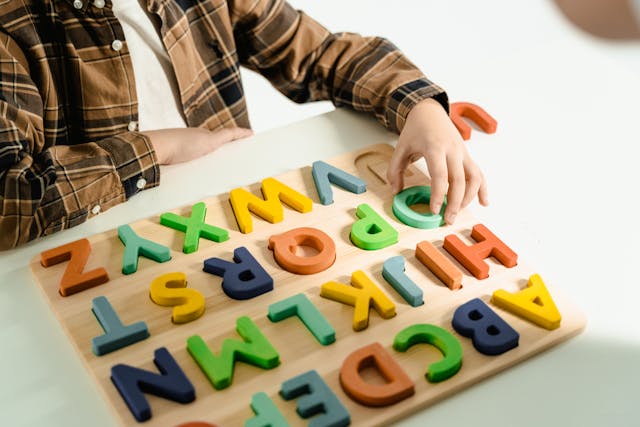
That moment sticks – joy tangled with worry – as your little one steps into learning for the first time. It might be preschool morning light, an unfamiliar room, or just a table set for lessons at home; yet what happens then lingers longer than expected. Instead of guessing, try methods tested through study and real experience. These ways build something steady without needing grand plans.
Why the Beginning Shapes Everything
Tiny brains grow fast when kids are small. From moment one, every little thing adds up – happy moments, tough ones too – they stick. Learning feels safe when classrooms feel kind, full of play and calm voices. When beginnings shake, fear sometimes stays longer than anyone sees. Start small. What matters is showing up each day, bringing kindness along, doing things on purpose. Perfection plays no role here.
Small, daily choices from how you talk about school to how you handle morning routines can transform your child’s outlook. The goal is not to push academic milestones too early. The goal is to nurture a mindset that says, “I can try new things, and it will be okay.”
Building Emotional Safety First
Right from the start, safety matters more than ABCs or 123s. Home is where it usually kicks in. When big changes come, name what they might be feeling. Try saying things like: “Tomorrow could feel strange – maybe even a bit wobbly. That happened to me once too.” Pages filled with stories of fresh beginnings help make sense of the day ahead. Pretend together how to speak up, wave for attention, or ask someone for directions.
Most kids feel safer when someone notices how they feel. To help them face goodbyes, try a quick routine that comforts without dragging on.
Choosing the Right Environment
Where kids start learning really matters, both physically and socially. Seek spots that choose playful exploration instead of strict repetition. Spaces work well when they seem friendly, bright, yet tidy enough to avoid chaos.
If you are considering external care, a high-quality day care centre that prioritizes social emotional learning alongside basic literacy can be an excellent choice. Observe how staff interact with children. Do they kneel to eye level? Do they use kind words even during conflicts? Trust your instincts.
The Power of Predictable Routines
Most kids feel better when they can guess what happens next. When each day follows a familiar path, worries fade slowly. Begin by building a steady morning pattern that allows space for eating, getting dressed, safely moving forward. Hurried steps and tense moments break the peace early. In much the same way, shape a quiet rhythm once classes end or care finishes.
Maybe a small bite to eat then some calm time playing, or talking through what made today good. For little ones, pictures that show each step help them follow along. Once things happen the same way each day, minds relax instead of spinning over what comes next, making space for growing skills and feeling close.
Encouraging Curiosity Without Pressure
Let your child lead sometimes. If they show interest in bugs, talk about bugs. If they love drawing, provide paper and crayons without correcting their technique. Curiosity flourishes when there is no fear of being wrong. Avoid asking too many questions like “What did you learn today?” Instead, share something you learned. “I found out why leaves change color. Want to see?” This invites conversation without interrogation.
Praise how someone tries, not only when they get it right. Try saying something such as, “Look at how much you focused on solving that problem,” instead of calling them naturally clever. That kind of talk shapes a way of thinking where skills can expand. Kids who see their talents improving with practice usually handle tough challenges better down the road.
Partnering With Caregivers and Teachers
Kids notice how grown-ups act together. The people who care for your child every day include you and those at school. Talk openly – say what makes your child laugh, freeze up, or calm down. Teachers can help better if they know these things too. Showing up for meetings matters, even when it is hard. Helping out once in a while sends a quiet message. Trust grows where adults listen, share, then follow through.
Out of nowhere, life shifts – maybe a baby arrives, maybe the family relocates. When that happens, kids often react without words. Their mood dips. Focus slips.
Final Thoughts: Small Steps, Big Impact
Most mornings go better without big shows. Just show up, stay calm, take time. Look at things the way your kid sees them. Certain days get tangled. Crying might come back, outbursts too – after quiet weeks. This happens. Little steps today build big leaps tomorrow.