The Power of Preparation Before the Lens
Screens are generally purchasers’ initial impression of a home. In those scrolling seconds, every image matters. A good listing photo session is about designing perception, not just shooting photographs. Before the photographer’s light illuminates the first wall, the process begins. Strategic planning affects how buyers perceive, evaluate, and react to visuals.
Agents know good photography inspires confidence and warmth. Buyers know the home has been maintained and loved. Photographs with rigorous preparation have a cinematic clarity that distinguishes properties.
Elevating Exterior Appeal for Digital Impact
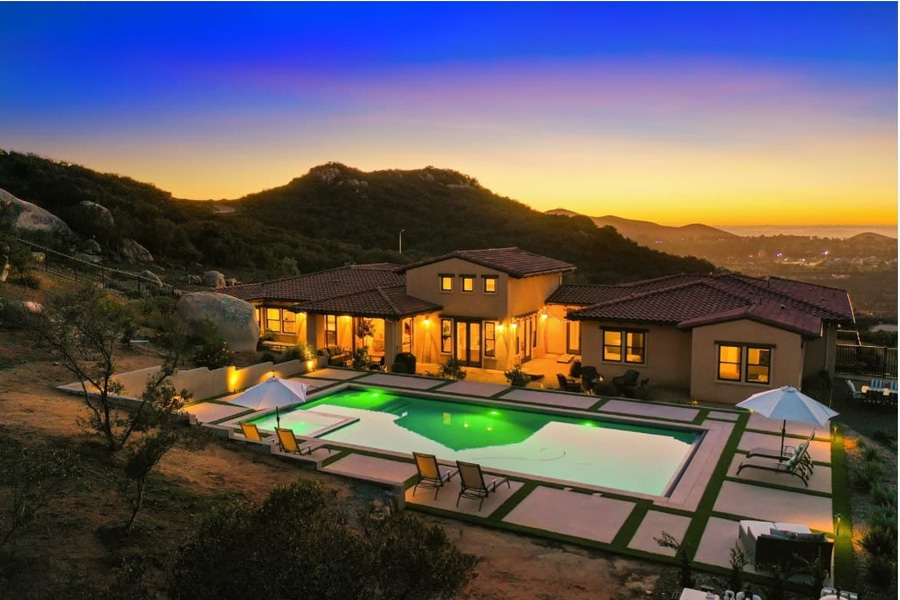
The exterior image serves as the digital handshake. This first frame decides whether buyers click or walk away. Every inch of siding, trim, and walkway contributes to how that greeting feels. Dirt dulls energy. Balanced light restores character.
Sellers check color harmony, symmetry, and cleanliness before taking photos. Sharp paint lines and clean paths draw the eye to the front door. The observer subconsciously perceives order, safety, and worth. Even through pixels, a sweeping doorway or scrubbed siding establish trust.
A rising number of homeowners invest in professional surface cleaning before scheduling photography. The payoff is visual clarity that mirrors fresh air after rainfall. Strong contrast, distinct shadow lines, and evenly lit surfaces offer that crispness buyers associate with quality maintenance.
Interior Clarity and the Psychology of Space
Once indoors, photographs communicate mood and proportion. Light opens the imagination. Clutter blocks it. A camera magnifies volume, but it also exaggerates chaos. Real estate photographers often say that rooms speak through light and flow, not through furnishings.
All items in a listing photo enhance or interrupt space. Removing furniture is like removing unnecessary words from a powerful statement. Vacant corners breathe. Clean countertops indicate efficiency. Images that feel tranquil and achievable linger with buyers.
Neutral colors amplify this effect. Soft whites, gentle grays, and warm wood tones allow natural light to settle evenly across surfaces. Their consistency lets buyers project their own lifestyles onto the setting. Neutral styling does not silence character; it builds a quiet stage where architectural form can shine.
Light: The Silent Force Behind Every Shot
Lighting dictates emotion. It is the unseen paintbrush on every shot. In homes readied for listing sessions, windows are cleaned till they glisten, curtains drawn wide, bulbs replaced to match in hue and brightness. Natural light remains the most powerful storyteller. It gives the image authenticity, suggesting the home is open and honest.
Exteriors that are clean do more than gleam. As light amplifiers, they reflect brightness inward. A well-washed facade lets more light into interior shots, boosting their vibrancy. Even without conscious awareness, the camera lens registers this lift.
Craftsmanship in Details that Buyers Feel
Small fixes rarely photograph well, but their absence speaks louder than wide-angle photos. A bent switch plate or corroded handle can make you suspect maintenance. Confidence rises when everything fits.
Prepare for scrutiny by preparing for photographs. Updated caulk lines, straightened frames, and handrail refinishing show ownership. Realtors recognize these things contribute to a trustworthy appearance. Photographs show how much the owner cares.
Landscape Framing as Natural Composition
Outdoor gardening is composition, not decoration. Brushstrokes from grass lines frame the topic. Neat lawn edges draw attention to the architectural focus. Fresh mulch and trim bushes give contrast and texture that photograph well. Even lighting changes can add depth to foliage.
Additionally, seasonal timing is often overlooked. Soft light angles show volume in morning and afternoon shoots. Clean driveways and gardens indicate that this property was prepared carefully before listing.
Staging Beyond Furniture
Real staging is visual choreography. Energy flows through the room to place each thing in the frame. Best arrangements are rhythmic, not routine. They enhance symmetry without mirroring and avoid pathway obstruction.
In photos, angle adjustment makes a room appear larger. Pulling furniture away from walls, aligning rugs to entrances, or adding vertical decorations can expand space. The camera rewards strategic spacing, making small rooms appealing.
Emotional Resonance Through Clean Design
Ultimately, all preparation converges on emotion. Buyers respond not with reasoning first but with feeling. They are drawn to clarity, warmth, and charisma that is subtle yet confident. The polished luster of a front door handle or the transparency of a pristine window conveys reliability.
Cleanliness is emotional communication. It whispers stability and care. The more transparent the environment, the easier it is for a buyer to project imagination into the space. That projection is what leads to visits, offers, and final decisions.
Image-driven homes rarely use luxury. Instead, every frame requires accuracy. They exhibit airflow, symmetry, and comfort that photography cannot provide without preparation.
Timing and Coordination for Maximum Return
The days before a professional shot should be meticulously planned. Exterior washing, decluttering, staging, and lighting adjustments are done consecutively to achieve cohesiveness. Schedule cleaning, minor repairs, and staging consultations at least a week before photos to allow for refining.
Coordinating timing between sunlight conditions and interior readiness often boosts outcomes. Shooting on clear days or after rainfall can naturally deepen color saturation. When every element has been aligned, even an ordinary property radiates a quiet authority through the lens.
FAQ
How soon before listing photos should homeowners begin preparing?
Ideally, begin at least one to two weeks in advance. This timeline allows flexibility for professional cleaning, touch-ups, and rearrangements without rushing the process.
What area of the home provides the biggest visual return on investment?
The exterior curb view consistently offers the greatest return because it defines the first impression online. A clean, bright front image influences immediate engagement.
How does professional exterior cleaning improve photo results?
Professional exterior cleaning restores brightness and reveals authentic color tones. It removes residue that clouds contrast, helping cameras capture crisp lines and vibrant hues.
Why do neutral interiors photograph more attractively?
Neutral tones absorb and reflect light without distortion. They also create psychological openness, letting buyers imagine their own style and belongings blending easily with the space.
Does furniture size impact perception in photos?
Yes. Oversized furniture compresses visual depth and makes rooms look smaller. Selecting pieces with open bases or simplifying layouts generates a sense of scale and flow.
How can homeowners maintain photo readiness during the selling period?
Regular touch-ups maintain consistency. Keep pathways clear, windows spotless, and props minimal. Treat the home as if the camera could return at any moment.
Why is lighting such a defining factor in real estate photos?
Lighting controls mood and dimension. Balanced illumination smooths shadows, intensifies colors, and makes rooms feel welcoming. Without adequate light balance, even well-staged rooms appear dull.
What do realtors interpret from immaculate presentation?
They interpret reliability. A well-prepared home signals owner attentiveness and routine upkeep, which builds confidence among prospective buyers and their agents.
Are small maintenance fixes really visible in photography?
Yes. High-resolution photography magnifies minor issues such as chipped paint or uneven caulking. Addressing them beforehand prevents negative visual cues that reduce perceived value.
Can thoughtful preparation truly accelerate a home sale?
Absolutely. Organized spaces, balanced lighting, and a clean exterior increase online engagement. Higher engagement leads to more showings, which often results in faster and stronger offers.