Closing day hands you the keys but the depreciation clock often starts later. Asking the right questions about basis allocation, timing and component recovery can improve first-year cash flow on your rental property.
The closing disclosure lists dozens of line items, yet few first-time buyers ask which ones increase the basis they will recover over decades. With 100 percent bonus depreciation restored for shorter-lived components, those answers matter more than they did a few years ago.
How Closing Costs Shape the Basis You Recover Over Time
Most settlement fees do not produce an immediate write-off. Mortgage interest and deductible real estate taxes can be claimed currently, while loan points on a rental are generally deducted over the life of the loan. The bulk of other closing costs increase your basis and are recovered only through rental property depreciation. Abstract fees, recording charges, surveys, transfer taxes, title insurance and certain legal fees all typically get added to the building’s cost. IRS guidance on rental expenses confirms that most settlement costs become part of basis rather than current-year deductions.
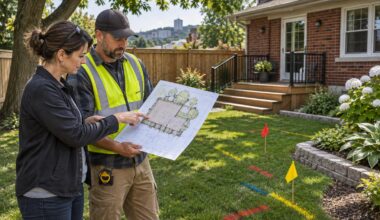
Before the numbers lock, many buyers review cost segregation firms real estate investors can compare to understand which construction components can be reclassified for faster recovery. The engineering work behind a proper study examines as-built drawings, site improvements and finish materials so that flooring, appliances, certain land improvements and other shorter-lived items are not left inside the 27.5-year residential rental building class. A study can be completed after closing, but having the numbers early helps you plan your first-year deduction.
Understanding When Depreciation Starts After Closing
Your closing date is not the day depreciation begins. IRS Publication 527 states you can start depreciating residential rental property when it is ready and available for rent even if no tenant has moved in yet. Extensive repairs after purchase can push the placed-in-service date weeks or months later. Temporary vacancy after that point does not stop the recovery clock.
Allocating Land Separately From Building and Shorter-Lived Components
Land is never depreciated. The land portion only affects gain or loss when you sell. The building shell recovers over 27.5 years under straight-line MACRS with the mid-month convention. Everything that an engineering-based cost segregation study can legitimately reclassify into 5-year, 7-year or 15-year property becomes eligible for accelerated recovery, including the restored 100 percent special depreciation allowance.
Capturing the Permanent 100 Percent Bonus on Qualifying Assets
The One Big Beautiful Bill Act permanently restored 100 percent bonus depreciation for qualified property acquired after January 19, 2025, and then placed in service. Qualifying assets are those with a recovery period of 20 years or less: appliances, furniture, carpets and certain land improvements. The structural building itself does not qualify, according to the NAR analysis of federal tax depreciation.
Because the building shell stays on the long recovery period, a detailed engineering study is the practical way to identify the portion of your acquisition cost that can be written off in year one. For a first rental, the difference between leaving everything in the 27.5-year bucket and moving a meaningful share of basis into shorter lives can improve early cash flow.
Critical Questions to Ask Your Advisors Before You Close
- What percentage of the purchase price is allocated to non-depreciable land versus the building and how was that split supported?
- Which closing costs increase basis and which can be deducted currently or amortized with the loan?
- What is the realistic placed-in-service date once any post-closing work is finished?
- How much of the building’s components would an engineering cost segregation study move into 5-year, 15-year or other short-life classes eligible for 100 percent bonus?
- What recapture exposure exists if you sell within a few years after claiming accelerated deductions?
As earlier coverage of common real estate investing pitfalls highlighted, overlooking key details before closing can erode the long-term returns you expect from a rental. The same discipline applies to the tax basis questions.
Turning Pre-Closing Decisions Into Stronger Cash Flow
The permanent 100 percent bonus window for property acquired after January 19, 2025, rewards buyers who model component recovery before they sign. Reviewing cost segregation providers to consider before your next purchase gives you a clearer picture of how much first-year deduction is realistically available once the engineering analysis is complete.
Asking these questions early makes it easier to plan your first-year deduction, and a study completed after closing can still capture the benefit. Talk through the numbers with your CPA and a qualified study provider before or soon after you close. For more on property decisions, browse the real estate coverage for related perspectives on preparation and long-term ownership.