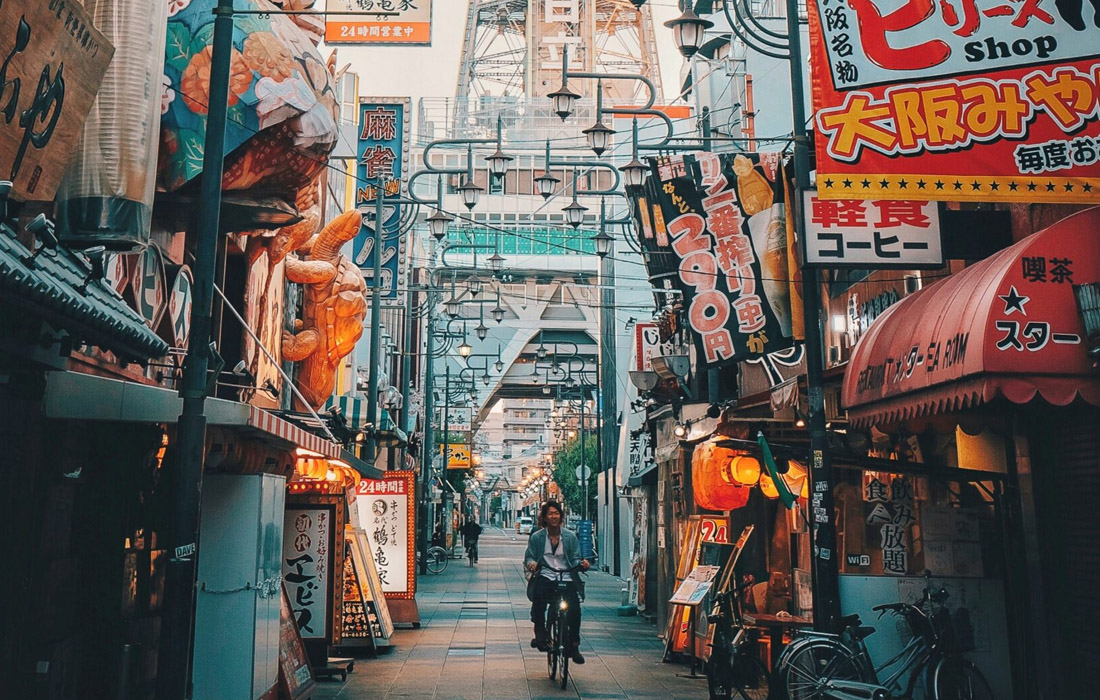
The concept of traveling for work has fundamentally shifted over the last few years. Gone are the days of flying across the globe only to see the inside of a boardroom and a standard hotel lobby. Following the immense success of Expo 2025, which brought an estimated economic impact of over 22 billion dollars, Osaka has firmly emerged as a premier hub for international business and next-generation corporate events. However, executives visiting this vibrant Japanese city are no longer rushing home the moment their meetings conclude. Instead, they are embracing a more balanced approach to corporate travel by designing intentional itineraries that prioritize both productivity and personal well-being.
Experiencing Elevated Dining and Skyline Views
A massive pivot toward experience-based consumption has taken hold in Japan’s Kansai region. Historically celebrated as the kitchen of the nation, the local culinary philosophy revolves around eating until you drop. The quality of food here is globally recognized, with recent culinary guides recommending hundreds of distinguished restaurants across the area. For business travelers, this means that client dinners and personal meals alike can become extraordinary events rather than afterthoughts. Instead of settling for standard room service, executives are turning to upscale dining concepts that offer spectacular atmospheres and top-tier gastronomy. For example, booking a table at the best buffet in Osaka allows travelers to indulge in a premium Modern European menu while taking in panoramic views from 147 meters above the city. This type of high-altitude dining is perfect for hosting a sophisticated client dinner or simply enjoying well-deserved personal downtime while watching the skyline light up at night.
The New Era of Corporate Travel
This combination of professional duties and personal downtime is rapidly reshaping global hospitality. Modern professionals are actively seeking ways to disconnect from corporate burnout, and shifting away from strictly rigid corporate travel policies. In fact, current industry reports note that senior leadership teams are now twice as likely to extend their corporate trips for leisure activities compared to non-management employees. A recent travel outlook report also highlighted that over 75 percent of business travelers in the Asia-Pacific region intend to intentionally combine their work trips with personal days. The data supports this behavioral shift as a highly advantageous move. According to Forbes, a Navan survey found that 73 percent of business travelers say bleisure opportunities benefit them as employees, and 78 percent say leisure time adds measurable value to their job assignments. By extending a trip by just a few days, executives can decompress, explore a new culture, and return to their home offices feeling rejuvenated rather than exhausted.
Transitioning from Work to Unwinding in Osaka
Osaka presents a highly efficient business environment for international visitors. With average commute times of just 39 minutes and an expanding infrastructure of over 250 new property openings, professionals spend less time in transit and more time focusing on their objectives. But when the laptop finally closes, the transition into leisure time becomes a crucial element of the trip. The psychological shift from a demanding corporate schedule to personal exploration dictates how much you will actually enjoy your downtime. Reading up on intentional travel can help you understand why taking deliberate moments to pause upon arrival sets a relaxing tone for your entire stay. Cultivating this mindful mindset is especially important in a city known for its bustling energy and high-speed corporate pace.
Key Elements of a Balanced Itinerary
To successfully blend business obligations with leisure time, careful planning is required. Consider these strategies when structuring your upcoming trip:
- Schedule a buffer day. Arrive a day early or stay a day late to adjust to the time zone and mentally separate from your daily workload before diving into meetings.
- Prioritize culinary experiences. Leverage the incredible local food scene by securing reservations at high-end venues well in advance, ensuring your meals are memorable events rather than rushed necessities.
- Embrace slow mornings. If your meeting schedule permits, use the early hours to walk through nearby historic districts or enjoy a quiet coffee before the corporate rush begins.
- Limit transit friction. Choose accommodations in central business districts that offer seamless access to both conference venues and premium entertainment options, reducing daily travel stress.
Osaka offers a unique intersection of economic vitality and rich cultural tradition. As international corporate travelers continue to extend their stays, the local hospitality landscape is evolving to perfectly meet their sophisticated needs. By embracing the principles of blended travel, you can transform a standard work assignment into an enriching personal adventure. Thoughtful planning, a dedicated focus on executive well-being, and a willingness to explore the city’s exceptional culinary heights will ensure your next trip to Japan is both professionally successful and deeply rewarding on a personal level.