The Evolution of Corporate Sustainability
The landscape of corporate identity has undergone a massive transformation over the last decade. Historically, sustainability was viewed as a niche concern or a charitable add on to a business model. Today, it is a core pillar of brand equity. Consumers are no longer satisfied with mere verbal promises of environmental stewardship. They seek tangible evidence that the companies they support are making conscious choices at every touchpoint. This shift has given rise to the concept of eco chic, a movement where high end design meets environmental responsibility.
In this context, paper products have emerged as a powerful medium for communication. While the world has moved toward digital platforms, the physical artifacts a brand leaves behind carry significant weight. Whether it is a business card, a premium brochure, or custom packaging, the quality and origin of the paper tell a story. Organizations are increasingly looking for ways to align their physical presence with their green values without sacrificing the premium feel that customers expect.
Defining the Eco Chic Aesthetic
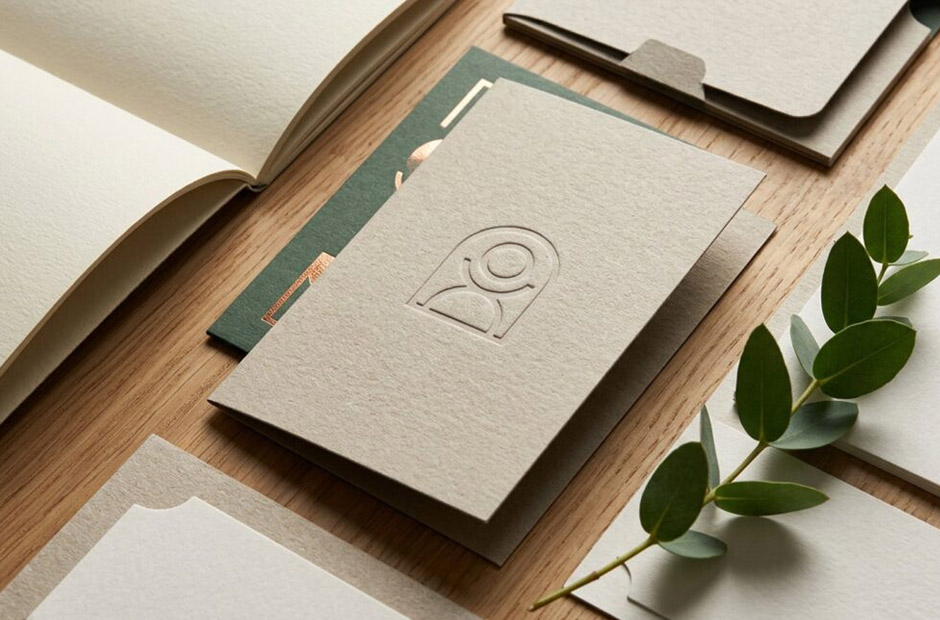
Eco chic is more than just a trend; it is a design philosophy that marries luxury with longevity. It moves away from the bleached white, clinical look of traditional corporate stationery and embraces the natural textures and tones of recycled fibers. This aesthetic often features earthy palettes, visible seed inclusions, or the slightly tactile grain of FSC certified stocks. By choosing these materials, a brand signals that it is sophisticated enough to value the planet.
The beauty of this approach lies in its authenticity. When a customer receives a package or a letter, the sensory experience of the paper provides an immediate impression. If the paper feels substantial yet clearly sustainable, it creates a sense of trust. This is where modern branding excels by proving that being environmentally friendly does not mean looking unpolished or cheap. Instead, it suggests a refined taste that prioritizes the future of the environment.
Why Branded Paper Matters in a Digital World
In an era dominated by emails and social media notifications, physical mail and printed materials have become rare and, therefore, more valuable. A handwritten note on high quality branded paper stands out in a way a digital message never could. It commands attention and demonstrates a level of effort that fosters deeper client relationships. For businesses aiming to build a premium image, the tactile nature of paper is an indispensable tool.
Using branded paper allows a company to maintain consistency across all channels. When a client sees the same logo and color scheme on a sustainable business card as they do on a website, it reinforces brand recognition. However, the choice of material is what truly differentiates a leader from a follower. By opting for Eco Chic: Switching to Branded Paper for a Sustainable Brand Image through providers like Totally Branded, companies can ensure their physical presence is as responsible as it is beautiful. This strategic choice turns every piece of correspondence into a testament to the brand’s ethical standards.
Environmental Impact of Traditional versus Sustainable Paper
Understanding the necessity of this switch requires a look at the environmental costs of traditional paper production. Conventional papermaking is often intensive in its use of water, energy, and harsh bleaching chemicals like chlorine. These processes can lead to significant deforestation and water pollution if not managed strictly. Furthermore, the carbon footprint of transporting raw timber over long distances adds to the ecological burden.
Sustainable paper alternatives, such as those made from post consumer waste or alternative fibers like bamboo and hemp, significantly reduce these impacts. Recycled paper requires less energy and water to produce compared to virgin pulp. Additionally, Forest Stewardship Council certification ensures that any new fibers used are harvested from responsibly managed forests that provide environmental, social, and economic benefits. Making the switch is not just an aesthetic choice; it is a measurable contribution to global conservation efforts.
Strategic Branding with Totally Branded Solutions
Integrating sustainable materials into a marketing strategy requires a partner who understands both design and ecology. Companies like Totally Branded provide the expertise needed to navigate the various types of eco friendly stocks available. It is not enough to simply use recycled paper; the printing techniques used must also be considered. Using soy based or vegetable based inks ensures that the entire product remains biodegradable and non toxic.
- Assess current paper usage across all departments to identify areas for improvement.
- Select paper weights that convey quality without being unnecessarily heavy.
- Utilize minimalist design to reduce ink coverage and highlight the natural beauty of the paper.
- Ensure all printed materials include a small, elegant mark indicating their recycled or FSC status.
By working with Totally Branded, businesses can customize their stationery to reflect their unique voice while adhering to high environmental standards. This collaboration ensures that the transition to sustainable paper is seamless and professional.
Psychology of Touch and Sustainable Materials
Haptic perception, or the sense of touch, plays a crucial role in how humans process information and form emotional connections. When a person touches a piece of paper, their brain immediately categorizes the experience. Rough, thin, or flimsy paper can subconsciously signal a lack of care or low value. Conversely, paper with a rich texture and weight suggests stability and premium quality.
Sustainable papers often have a unique tactile profile that traditional papers lack. The slight variations in texture found in recycled stocks engage the sense of touch more deeply. This engagement leads to better brand recall. When a customer associates the pleasant, organic feel of your branded materials with your services, you have successfully used the psychology of touch to build brand loyalty. It creates a physical anchor for your brand in the mind of the consumer.
Design Principles for Eco Friendly Branded Paper
Designing for sustainable paper requires a slightly different mindset than designing for standard gloss or matte coated stocks. Because many eco friendly papers have a natural absorbance, colors may appear softer and more muted. This should be embraced as part of the eco chic aesthetic rather than fought against.
- Use whitespace effectively to let the texture of the paper breathe.
- Choose typography that is legible and complements the organic feel of the material.
- Opt for embossed or debossed logos instead of heavy foil stamping to maintain recyclability.
- Consider die cutting shapes that reduce waste during the production process.
When these principles are applied, the result is a sophisticated piece of branding that feels intentional. Organizations that source their materials through Totally Branded often find that these design constraints actually lead to more creative and memorable outcomes. The material itself becomes a part of the design narrative.
Cost Benefit Analysis of Sustainable Stationery
A common misconception is that switching to sustainable branded paper is prohibitively expensive. While the unit cost of recycled or specialty eco stocks can be higher than bulk virgin paper, the return on investment comes through brand positioning and customer loyalty. Consumers are increasingly willing to pay a premium for brands that demonstrate environmental responsibility.
Furthermore, the shift toward sustainability often leads to more intentional printing. Instead of mass producing thousands of generic flyers, companies move toward high quality, targeted pieces that have a higher conversion rate. By reducing volume and increasing quality, the overall expenditure often stabilizes. The long term benefit of avoiding the negative associations of environmental neglect is invaluable in a market that prizes transparency and ethics.
Implementing a Green Transition Strategy
Transitioning to a sustainable paper model should be a phased process to ensure consistency and minimize waste. It begins with an audit of existing stock and a plan to use it up before switching to new materials. This prevents the irony of throwing away perfectly usable paper in the name of sustainability.
- Identify the most high profile items, such as business cards and letterheads, for the first wave of the transition.
- Communicate the change to stakeholders and employees to build internal pride in the new direction.
- Partner with a reliable supplier like Totally Branded to ensure a consistent supply of the chosen eco stocks.
- Monitor customer feedback to see how the new materials are being received and adjust designs if necessary.
This structured approach ensures that the brand image remains cohesive throughout the changeover. It also allows the business to tell the story of its journey toward sustainability, which can be a powerful marketing narrative in itself.
The Long Term Value of a Conscious Brand Identity
The decision to adopt an eco chic identity through branded paper is a commitment to the future. It moves a brand away from the disposable culture of the past and toward a model of circularity and respect. As environmental regulations tighten and consumer expectations continue to rise, those who have already established a sustainable presence will be ahead of the curve.
Investing in high quality, sustainable materials from Totally Branded creates a legacy of quality. It shows that a business is thinking about its impact decades from now, not just the next fiscal quarter. This level of foresight is a hallmark of industry leaders. By choosing the right paper, you are not just printing a logo; you are printing a promise to your customers and the planet. This authentic alignment of values and visuals is the ultimate goal of any modern brand.