Sustainability is increasingly shaping the way homeowners approach modern living, from planning and renovating to furnishing their spaces. Through thoughtful home interior design choices, they can create environments that reflect a more eco-conscious lifestyle. Here are a few eco-friendly practices that homeowners are able to implement when working with interior designers:
Create a Timeless Design
One of the most sustainable approaches to home interior design is creating spaces that remain functional and attractive beyond current design trends; this approach reduces the need for homeowners to update the space frequently. Timeless designs tend to focus on selecting furnishings that complement the home’s architecture. Professional interior designers help property owners create thoughtful layouts and balanced color palettes. With this approach, the space stays relevant and functional even as personal preferences change.
Select Quality Materials
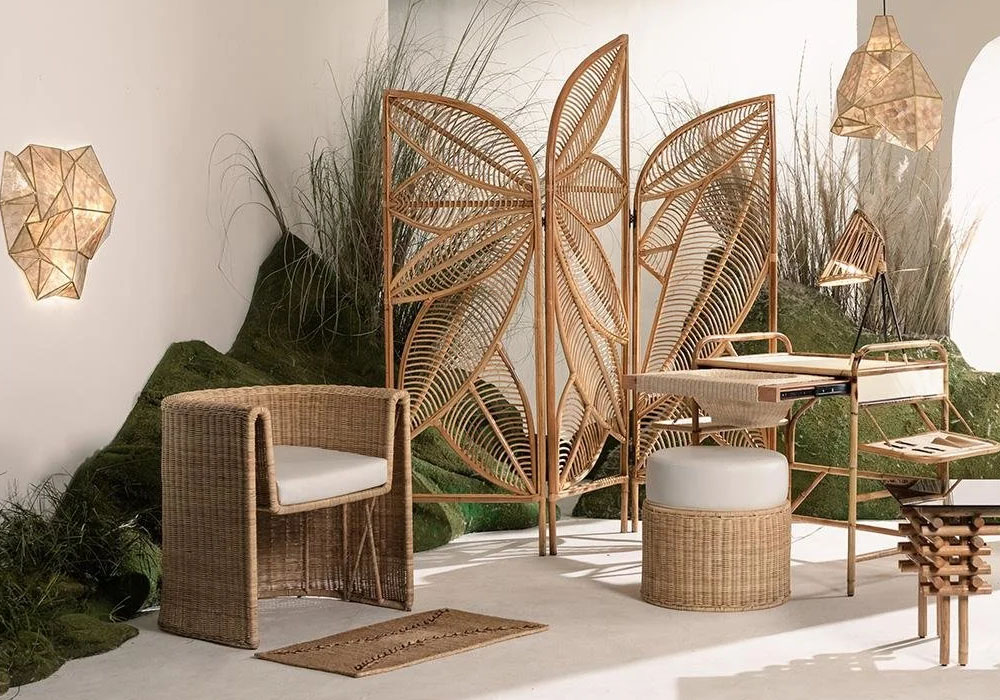
Choosing durable materials can help homeowners reduce the need for frequent replacements. High-quality materials and well-crafted finishes are designed for long-term performance, making them a key aspect of sustainable home interior design. Pieces made from these materials continue to perform well over time with minimal maintenance.
Material selection also influences the overall appearance of the space. Lighting, flooring, cabinetry, fabrics, countertops, and furniture work together to create a cohesive interior. These pieces support everyday functionality without losing their appearance or needing replacement.
Interior designers help homeowners select custom pieces that complement their spaces, using their expertise to source high-quality furnishings that match the client’s preferences and the home’s aesthetic. They evaluate materials, durability, and functionality while developing tailored designs that create a cohesive and practical interior.
Maximize Natural Light
Natural light plays a role in shaping the appearance and function of interior spaces, says MVP Property Management company. Rooms designed with larger windows, thoughtful openings, and strategic layouts often create a brighter atmosphere while supporting an eco-friendly approach to home design. These spaces feel connected to the outdoors; they also create a welcoming environment throughout the day as daylight moves through the home.
Interior designers guide homeowners through decisions about furniture placement, window treatments, and spatial layouts to improve the flow of natural light within a home. They use design techniques such as mirror placement and reflective surfaces to distribute daylight across different areas of a room. These professionals also select colors and finishes that work with the existing lighting to create a comfortable and cohesive interior. By combining practical planning with creative solutions, interior designers help develop spaces that reflect both personal style and eco-conscious design goals.
Design Functional Spaces
Eco-friendly home designs focus on functional spaces that support the homeowner’s daily routines while creating a thoughtful use of available areas. Each room has a defined purpose, and the layout helps homeowners move through the home with greater ease. With sustainable interior design approaches, every space receives careful planning based on the homeowner’s lifestyle and needs. Interior designers also explore sensory design elements, such as textures, finishes, and arrangements, to create interiors that respond to individual comfort needs. Functional spaces support multiple activities and adapt alongside changes in the homeowner’s lifestyle. A home office, guest area, or multipurpose room provides flexibility because the space serves different purposes over time. Interior designers plan these areas with long-term use in mind, which reduces the need for frequent redesigns and helps homeowners make thoughtful choices about materials and resources.
Home Interior Design for Long-Term Living
A suitable home interior design should help create spaces that remain functional well after the project’s completion. By using a timeless design, high-quality materials, maximizing natural light, and creating functional spaces, interior designers support long-term use of a space. Start your search for a reliable interior designer who offers eco-friendly solutions for your home.