Older homes often have distinctive character, but their original construction may not include the insulation, equipment, and efficiency features found in newer properties. Drafty windows, aging appliances, inefficient lighting, and outdated heating systems can all contribute to higher energy use. Fortunately, homeowners can make targeted upgrades that improve efficiency and comfort while preserving the architectural features that make an older home appealing.
Improve Attic and Wall Insulation
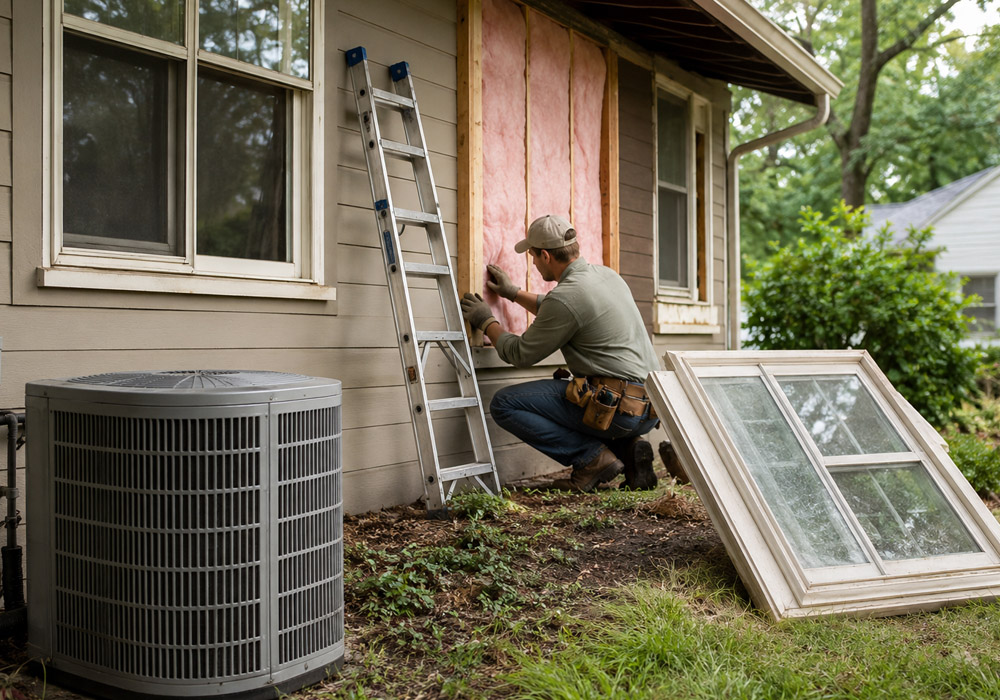
Insulation is one of the most important components of an energy-efficient home because it slows heat transfer between indoor and outdoor spaces. Older properties may have insufficient insulation due to construction standards from decades ago, renovations that disturbed existing materials, or natural deterioration over time.
The attic is an excellent place to start because heat can escape through the roof during winter and enter the home through the same area during summer. Adding appropriate insulation can help maintain more consistent indoor temperatures and reduce the workload placed on heating and cooling equipment.
Walls, floors, basements, and crawl spaces should also be evaluated. The best approach depends on the home’s construction, existing insulation, and accessibility. A professional energy assessment can help identify where insulation improvements are most likely to provide meaningful benefits.
Combine Insulation With Air Sealing
Insulation alone cannot prevent conditioned air from escaping through gaps and cracks. Air sealing around windows, doors, vents, plumbing penetrations, and electrical openings can complement insulation improvements and reduce drafts.
Pay particular attention to areas where different building materials meet. Sealing these openings can help prevent outdoor air from entering and conditioned air from escaping, making the home easier to heat and cool.
Upgrade Older Windows and Doors
Windows and exterior doors can be significant sources of heat loss and heat gain in older homes. Single-pane glass, deteriorated frames, worn weatherstripping, and gaps around openings may allow outdoor temperatures to influence indoor conditions.
If existing windows are severely damaged or inefficient, replacement may be worth considering. However, not every older window needs to be removed. Windows that are structurally sound may benefit from restoration, improved weatherstripping, caulking, or interior storm panels.
Use Energy-Efficient Window Treatments
Window coverings can provide another layer of protection against temperature changes. During summer, shades and curtains can reduce direct sunlight and limit solar heat entering living spaces. During winter, insulated curtains can help reduce heat loss through glass.
Use window treatments strategically based on the season and the direction each window faces. Rooms receiving strong afternoon sunlight may benefit particularly from daytime shading during warmer months.
Modernize the Heating and Cooling System
Heating and cooling equipment can account for a substantial portion of a home’s energy consumption. Older HVAC systems may operate less efficiently than newer equipment, especially when they have not received regular maintenance or have components that are beginning to wear.
Have existing equipment inspected to determine whether it is operating properly. Regular maintenance can help identify airflow restrictions, worn components, dirty coils, or other issues that may reduce efficiency.
If the system is nearing the end of its service life, compare replacement options based on efficiency, capacity, operating costs, and compatibility with the home’s existing ductwork or distribution system.
Improve Ductwork Performance
Even an efficient HVAC system can waste energy if conditioned air escapes through leaky or poorly insulated ducts. Ductwork running through attics, crawl spaces, garages, or other unconditioned areas can be particularly vulnerable to energy loss.
A professional evaluation can identify leaks, inadequate insulation, or airflow problems. Sealing and insulating appropriate duct sections can help more of the conditioned air reach the rooms where it is needed.
Maintain or Replace the Water Heater
Water heating is another important source of household energy use. Older water heaters may become less efficient as components age or mineral deposits accumulate. Signs such as inconsistent hot water, unusual noises, visible corrosion, or recurring problems may indicate that the system needs attention.
Before replacing an aging unit, have it evaluated by a qualified professional. In some cases, maintenance or a targeted repair may restore proper operation and extend the equipment’s useful life. Homeowners seeking water heater repair in Layton can have a professional assess the unit and determine whether repair or replacement is the more practical solution.
Consider Your Household’s Hot-Water Demand
If replacement becomes necessary, choose equipment based on actual household needs rather than simply selecting the largest available unit. Oversized systems can waste energy, while an undersized system may struggle to provide enough hot water during periods of high demand.
Consider the number of people in the household, peak usage times, available fuel sources, installation space, and long-term operating costs. A qualified professional can help identify a suitable system and explain potential efficiency benefits.
Upgrade Lighting and Appliances
Older lighting and appliances may use more energy than necessary. Replacing frequently used inefficient light sources with modern energy-efficient alternatives can reduce electricity consumption while maintaining adequate illumination.
Focus first on lights that remain on for extended periods, including kitchen fixtures, living spaces, bathrooms, hallways, and exterior lighting. Using timers, occupancy controls, or dimming features where appropriate can further reduce unnecessary use.
Appliances should also be evaluated when they reach the end of their useful lives. Refrigerators, dishwashers, washing machines, dryers, and other major appliances can account for substantial energy use over many years.
Choose Efficient Appliances
When purchasing a replacement appliance, compare energy consumption in addition to the initial purchase price. A more efficient model may cost more upfront but use less energy throughout its operating life.
Proper maintenance also affects appliance efficiency. Clean filters, vents, coils, and other serviceable components as recommended. Avoid overloading machines and use appropriate cycles to prevent unnecessary energy consumption.
Improve Water and Plumbing Efficiency
Reducing water waste can also reduce energy use, especially when the wasted water is heated. Older faucets, showerheads, and toilets may use more water than necessary, while leaking fixtures can continuously waste both water and the energy used to heat it.
Replacing outdated fixtures with efficient alternatives can help reduce consumption without significantly changing everyday routines. Repair leaking faucets, toilets, and pipes promptly to prevent ongoing waste.
Insulate Hot-Water Pipes
Accessible hot-water pipes can lose heat as water travels from the water heater to fixtures. Appropriate pipe insulation can reduce this heat loss and help hot water reach fixtures more efficiently.
This improvement can be especially useful for exposed pipes in basements, crawl spaces, garages, and other areas that are not heated. A plumbing professional can identify suitable areas for insulation and make sure the work is completed correctly.
Strengthen Indoor Airflow and Ventilation
Older homes may have ventilation challenges that affect both comfort and energy efficiency. Poor airflow can create rooms that feel too warm or too cold, while inadequate ventilation can allow moisture and indoor pollutants to accumulate.
Keep supply and return vents unobstructed and make sure furniture is not blocking airflow. If certain rooms consistently have different temperatures from the rest of the home, have the ductwork and air distribution evaluated.
Kitchen and bathroom exhaust fans can also help control moisture. Use them while cooking or showering and make sure they vent properly to the exterior where required.
Balance Comfort With Efficiency
Sealing a home too tightly without considering ventilation can create its own problems. Energy improvements should therefore be approached as part of a complete system rather than as isolated projects.
When adding insulation and sealing air leaks, consider the home’s ventilation needs at the same time. A professional assessment can help determine how to improve efficiency without compromising indoor air quality.
Install Smarter Home Controls
Modern controls can help older homes use energy more efficiently without requiring major structural changes. Programmable or automated thermostats can adjust heating and cooling according to household schedules, reducing unnecessary operation when the home is empty.
Timers and occupancy controls can also be useful for lighting. Instead of leaving lights running in unoccupied spaces, controls can automatically switch them off when rooms are no longer being used.
Avoid Overcomplicating Your System
Energy-saving technology is most effective when it is easy for everyone in the household to use. Choose controls that fit your routines and make sensible adjustments rather than adding unnecessary complexity.
The goal is to automate simple energy-saving behaviors without making the home difficult to operate. Even basic scheduling and temperature adjustments can contribute to lower energy consumption over time.
Schedule a Home Energy Assessment
Older homes can have energy problems that are difficult to identify through a simple visual inspection. A professional energy assessment can provide a more complete picture of how the home uses and loses energy.
Depending on the assessment, professionals may evaluate insulation levels, air leakage, windows, HVAC performance, ductwork, lighting, water heating, and other systems. The findings can help homeowners prioritize upgrades based on potential energy savings and the home’s specific condition.
Prioritize High-Impact Improvements
You do not have to complete every energy upgrade at once. Begin with improvements that address the largest sources of energy loss or the most significant equipment problems.
For many homes, this may mean starting with insulation and air sealing before moving to HVAC or water-heating improvements. Other properties may have aging equipment that requires immediate attention. A prioritized plan allows homeowners to manage costs while steadily improving efficiency.
Preserve Your Home’s Character While Upgrading
Energy efficiency does not require sacrificing the features that give an older home its personality. Original doors, trim, flooring, windows, and architectural details can often be preserved while the home’s underlying performance is improved.
When choosing upgrades, look for solutions that complement existing features. Restoring an original window while improving its weather resistance, for example, may preserve historic character while reducing drafts.
A thoughtful renovation combines modern performance with the home’s existing design. This approach can make the property more comfortable and efficient without making it feel disconnected from its history.
Conclusion
Energy-saving upgrades can make an older home more comfortable, efficient, and economical without eliminating its unique character. Improving insulation, sealing air leaks, maintaining HVAC and water-heating systems, upgrading windows, reducing water waste, and choosing efficient lighting and appliances can all contribute to lower energy use. By assessing the home’s needs and prioritizing high-impact improvements, homeowners can create lasting efficiency while preserving what makes the property special.