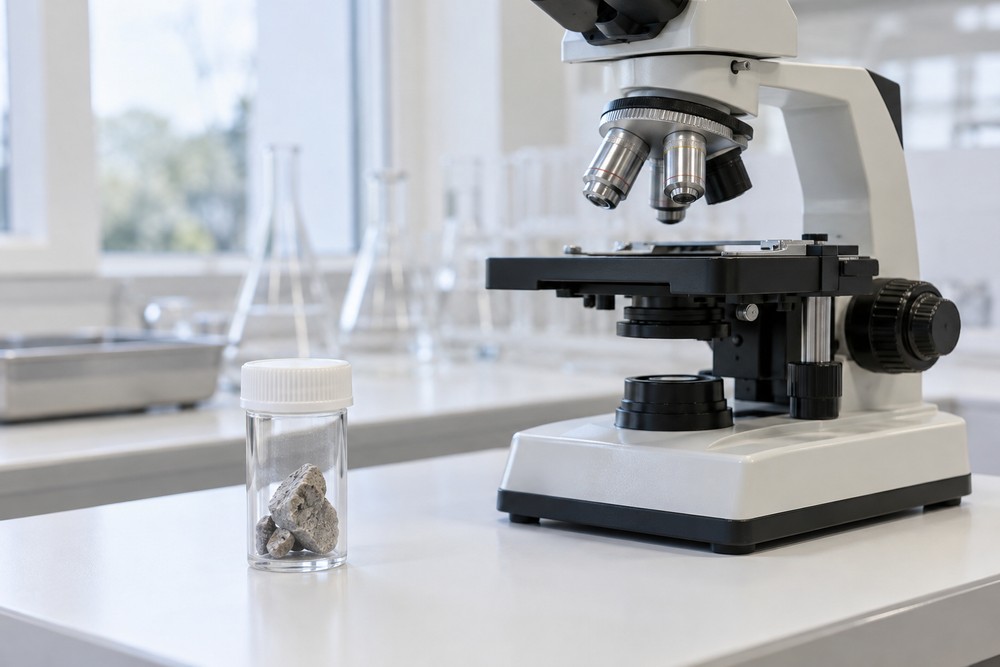
Asbestos remains a significant health concern in many older buildings despite being banned in new construction. The fibres can cause serious respiratory diseases if disturbed and inhaled. Therefore, it is imperative to have available and reliable asbestos testing service provided by qualified professionals to identify asbestos materials in residential, commercial, and industrial properties.
Understanding Asbestos and Its Risks
Asbestos is a naturally occurring mineral that was widely used for its fire-resistant and insulating properties. However, when asbestos-containing materials are damaged or deteriorate over time, microscopic fibres can become airborne. Inhalation of these fibres can lead to conditions such as asbestosis, lung cancer, and mesothelioma, a rare cancer almost exclusively linked to asbestos exposure.
Given these significant health risks, it is critical to undertake thorough testing and assessment before any renovation or demolition work involving older structures.
Importance of Professional Asbestos Testing Services
Engaging a professional asbestos testing service ensures that inspections are conducted safely and accurately. Certified inspectors use specialised equipment and follow strict protocols to collect samples from various parts of a building suspected of containing asbestos. These samples are then analysed in accredited laboratories to confirm the presence and type of asbestos.
Professional testing is essential because it:
- Confirms whether materials contain asbestos.
- Determines the type of asbestos, which may affect risk and management decisions.
- Guides safe removal or management plans to protect occupants and workers.
The Testing Process
The asbestos testing process begins with a detailed survey of the premises. Inspectors look for materials such as insulation, floor tiles, roofing, and walls that may contain asbestos. Samples are carefully extracted to avoid fibre release.
Following collection, samples are transported to specialised laboratories for microscopic and chemical analysis. Results typically provide information about the asbestos content percentage and the type of fibres detected.
Regulatory Compliance and Safety Standards
Professional asbestos testing adheres to national and regional safety standards and regulations. Compliance with these regulations helps to reduce legal liabilities and ensures that health and safety protocols are maintained during building works or occupancy.
In Australia, for example, asbestos management must comply with Work Health and Safety (WHS) legislation, requiring accurate identification and risk assessment of asbestos-containing materials.
When to Require Asbestos Testing
It is advisable to conduct asbestos testing in various scenarios such as:
- Before purchasing or leasing a property built before the late 1980s.
- During building renovations, refurbishments, or demolitions.
- When asbestos-containing materials become damaged or deteriorated.
- For periodic monitoring in facilities known to have asbestos materials.
Benefits of Early Detection
Early detection of asbestos through professional testing minimises the risk of fibre exposure. It enables timely management or removal, thus protecting the health of residents, employees, and contractors.
Moreover, well-documented test results assist in property transactions by ensuring transparency regarding potential hazards. They also help avoid costly delays or remedial work during construction projects.
Asbestos Management Plans
Following testing, a comprehensive asbestos management plan may be developed, detailing the locations of asbestos materials, risk levels, and recommended actions. Such plans support safer handling and maintenance procedures, reducing accidental fibre release.
Choosing the Right Professional Service
Selecting an experienced and accredited asbestos testing service is crucial. Professionals should provide thorough inspections, reliable laboratory analysis, and clear reports. They should also offer expert advice on compliance obligations and safe asbestos management or removal strategies.
Conclusion
Ensuring safety in buildings with potential asbestos presence requires professional asbestos testing services. By accurately identifying and assessing asbestos materials, these services play a vital role in protecting public health and supporting regulatory compliance. Building owners and managers should prioritise obtaining reliable asbestos testing to mitigate risks effectively.