Commercial structures require a strong and stable base to support their weight and maintain long-term safety. From office buildings and retail centers to warehouses and industrial facilities, the strength of the foundation plays a major role in the success of any construction project. Proper planning, quality materials, and professional workmanship are essential for creating a reliable structure that can withstand daily use and changing environmental conditions.
Understanding the Site and Soil Conditions
Before construction begins, it is important to study the building site carefully. Soil conditions can vary significantly from one location to another, and weak or unstable soil may not provide enough support for a commercial structure. Soil testing helps construction professionals understand the ground’s strength, moisture levels, and ability to support the planned building.
The results of these tests help engineers choose the most suitable foundation design. Proper site evaluation can also identify potential problems, such as poor drainage or soil movement, before construction begins. Addressing these issues early can help prevent costly repairs in the future.
Choosing the Right Foundation Design
Every commercial building has different structural requirements. The size, weight, design, and intended use of the building all influence the type of foundation needed. A small commercial property may require a different solution than a large warehouse or multi-story office building.
Professional engineers carefully review the building plans and site conditions before selecting the foundation design. Well-planned concrete foundations can provide the strength and stability needed to support heavy structures and distribute weight evenly across the ground. The right design also helps reduce the risk of shifting, cracking, and uneven settling.
Using High-Quality Materials
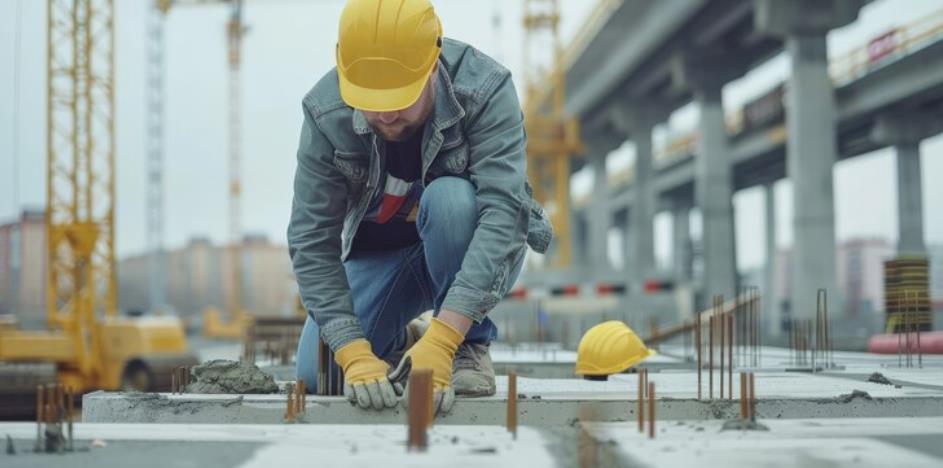
The quality of construction materials has a direct effect on the strength and lifespan of a commercial foundation. Concrete should be selected according to the specific needs of the project, including the expected weight and environmental conditions. Reinforcing materials, such as steel reinforcement bars, can also improve the foundation’s ability to handle pressure and structural loads.
Proper mixing, placement, and curing of concrete are equally important. Even high-quality materials may not perform properly if they are installed incorrectly. Following professional construction standards helps ensure that the foundation develops the strength needed for long-term performance.
Managing Water and Drainage
Water is one of the most common threats to foundation stability. Poor drainage can allow water to collect around the base of a building, leading to soil erosion, cracking, and moisture-related damage. For this reason, proper drainage should be considered during the early planning stages of construction.
Drainage systems, waterproofing methods, and suitable grading can help direct water away from the structure. These measures protect the foundation and reduce the risk of long-term damage caused by excessive moisture.
Ensuring Professional Construction Practices
Proper construction methods are essential for creating a durable commercial foundation. Experienced contractors understand the importance of accurate measurements, correct reinforcement placement, proper concrete pouring, and sufficient curing time. Regular inspections during construction can also help identify issues before they become serious problems.
Working with qualified professionals ensures that the foundation is built according to approved designs, safety standards, and local building requirements. Careful workmanship provides greater confidence in the stability and durability of the completed structure.
Conclusion
Creating a durable base for a commercial structure requires careful planning, proper site evaluation, quality materials, and professional construction. From selecting the right design to managing drainage and ensuring correct installation, every step contributes to the foundation’s long-term performance. By giving proper attention to these essential considerations, property owners and developers can create commercial buildings that remain strong, safe, and reliable for many years.