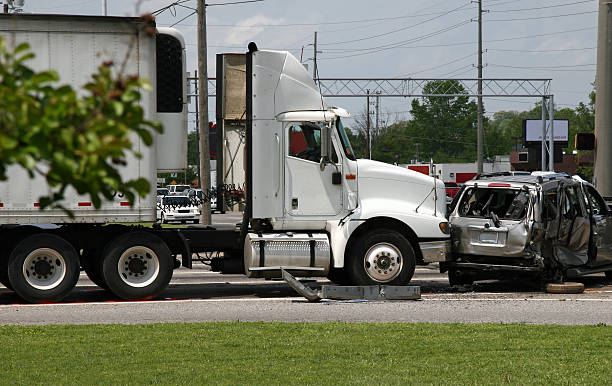
An 18-wheeler accident can leave victims dealing with serious injuries, vehicle damage, and uncertainty about what to do next. The most important steps are to seek medical attention, contact law enforcement, document the scene, gather evidence, and report the accident to your insurance company. Taking these actions can help protect both your health and your legal rights.
Because commercial truck accidents often involve multiple parties, determining liability can be more complicated than in a typical car crash. Speaking with an experienced 18-wheeler accident attorney can help you understand your options, preserve critical evidence, and navigate the claims process. Legal guidance may also be important when dealing with trucking companies and their insurers.
Knowing what to do after a truck accident can make a significant difference in the outcome of your case. The following steps explain how to protect yourself, gather important information, and build a strong foundation for any insurance claim or legal action that may follow.
Seek Immediate Medical Attention
Your health should always be the top priority after an 18-wheeler accident. Even if you believe your injuries are minor, it is important to be evaluated by a medical professional as soon as possible. Some injuries, such as internal bleeding, concussions, or soft tissue damage, may not show symptoms immediately.
Medical records also serve as valuable evidence if you later pursue compensation for your injuries. Delaying treatment can make it more difficult to connect your injuries to the accident.
Contact Law Enforcement
Call the police and request that an officer respond to the scene. A police report provides an official record of the accident and may include important details such as witness statements, roadway conditions, and the officer’s observations.
When speaking with law enforcement, provide accurate information about what happened, but avoid speculating about fault or making statements that could be misunderstood later.
Gather Evidence at the Scene
If your injuries allow, collect as much information as possible before leaving the accident scene. Take photographs of vehicle damage, skid marks, road conditions, traffic signs, and any visible injuries. These images can help document how the crash occurred.
You should also obtain the truck driver’s name, contact information, commercial driver’s license details, employer information, and insurance information. If there are witnesses, ask for their contact information as well.
Avoid Discussing Fault
After a collision, emotions often run high. However, it is important to avoid admitting fault or making statements that could be interpreted as accepting responsibility. The cause of an 18-wheeler accident is not always immediately clear.
Truck accidents may involve factors such as driver fatigue, improper maintenance, overloaded cargo, equipment failure, or violations of federal trucking regulations. A full investigation is often necessary before fault can be determined.
Notify Your Insurance Company
Report the accident to your insurance provider as soon as possible. Provide the basic facts about the crash and cooperate with any reasonable requests for information. However, be careful when speaking with insurance adjusters, especially those representing the trucking company.
Insurance companies often begin investigating commercial vehicle accidents quickly. Before providing recorded statements or accepting settlement offers, make sure you understand your rights and the potential value of your claim.
Preserve Important Records
Keep copies of all documents related to the accident. This may include medical bills, treatment records, repair estimates, receipts for out-of-pocket expenses, and correspondence from insurance companies.
Maintaining organized records can help demonstrate the financial impact of the accident and support any future claim for compensation.
Key Takeaways
- Seek medical attention immediately, even if your injuries do not seem serious at first.
- Contact law enforcement so there is an official record of the accident.
- Gather photos, witness information, and trucking company details whenever possible.
- Avoid admitting fault until the facts of the accident have been fully investigated.
- Preserve all accident-related records to support insurance claims or legal action.