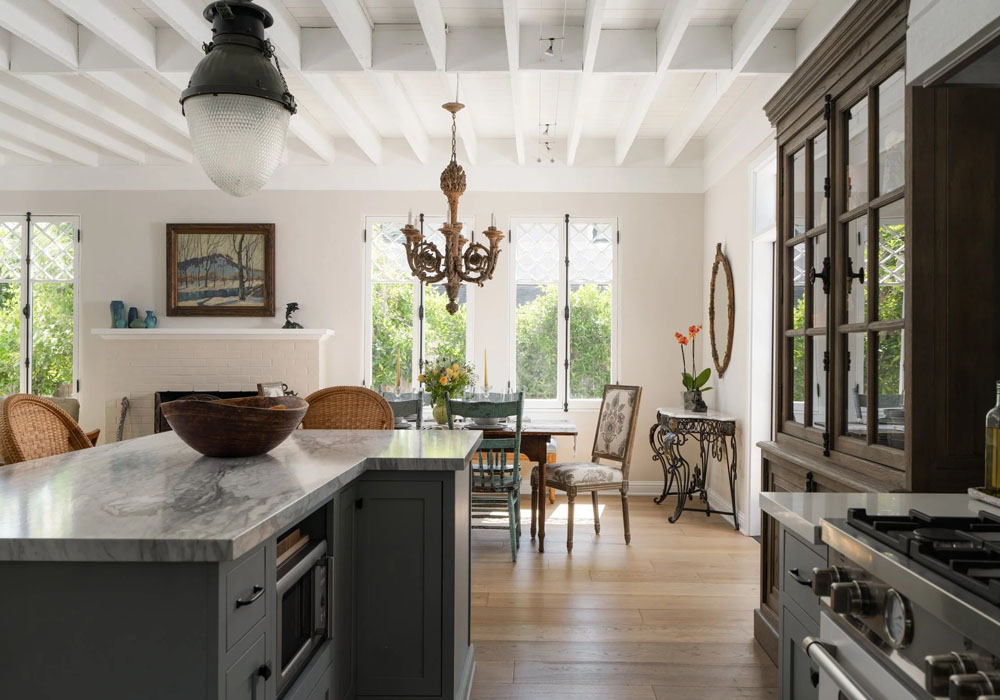
Many home owners make the mistake of assuming a home remodel is just a series of projects that can be undertaken individually. In reality, a home remodel is a process that requires a series of well-coordinated decisions in order to reach the desired end. Therefore, planning, budgeting, communication, and the execution of the various stages of the remodel process are just as important as the selection of various finishes.
You might not know that every remodeling step of the way is critical to reaching your end goal. We explain every step of the remodeling process from the initial meeting with your remodeler to the final inspection by your city’s building department. That way, you will have a good understanding of how each step is critical in order to complete your successful remodeling project.
Start With Clear Goals and a Realistic Plan
Defining what you want to get out of a remodel before drawings are started is key. Are you trying to increase storage in your kitchen or make it more functional for entertaining? Is a whole home remodel in your future, and do you want to modernize all of the rooms or increase the energy efficiency of your home to be more sustainable for long-term living? By defining your goals early on in the process, you can establish a solid plan and focus on what is most important to you, even if the budget gets trimmed down at a later time.
At this point it is often important to distinguish between changes that will help meet your remodel goals and those that are nice to have. When the budget gets tight, it is often easiest to start cutting back on the things that are ‘nice to have’ after you have determined the non-essential items.
Consider how the various remodel design decisions will affect construction in terms of required structural changes; where the plumbing and electrical can be run; what required permits must be obtained; and how the needed construction materials can be procured to meet the remodeler’s desired schedule. Working with an experienced remodeling contractor olympia can also help homeowners evaluate which design choices are practical within the available budget and timeline. A knowledgeable contractor can identify potential construction challenges early and recommend adjustments that keep the project aligned with both functional needs and overall remodeling goals.
Develop the Design and Budget Together
Once the project goals have been solidified, then the design can begin to take place. This would include the development of the floor plans, elevations, material selections, the lighting plan, and storage solutions. It is very common that a homeowner will have a great design and then worry about the cost later. However, the design and budget should be developed simultaneously so that the homeowner can be informed of the cost of each design choice prior to moving forward with expensive changes. Working with a design and build contractor can help keep the design vision aligned with the practical requirements and overall budget of the project.
Also consider every design choice will cost money. For example,, moving walls, relocating plumbing, and the cost of custom cabinets and high-end finishes, to name a few. A regular review of the cost to complete your project is very important so that changes can be made before a lot of cost is incurred for expensive redesigns.
A detailed budget should include labor, materials, permits, professional fees, and a contingency reserve. Unexpected conditions are common in remodeling, especially in older homes, so setting aside additional funds can prevent surprises from bringing the project to a halt.
Prepare for Permits and Construction
As a remodeler, it is also important to inform your client of all of the permits, inspections, etc. that will be required prior to the start of the project. In addition to notifying your client of these requirements, it is also very important to include them in the scope of work, timeline, and methods of communication for the project. This will allow your client to be aware of any potential delays due to permits or inspections and to be informed of how you will be keeping them up-to-date on any changes or updates to the project.
Before construction of the project begins, the homeowner should receive a project schedule, a list of ways in which the homeowner can receive updates on the progress of the remodel, an introduction to the project supervisor, and an outline of the ways in which subcontractors will be supervised as well as how changes will be approved.
During construction, some disruption is unavoidable. Dust, noise, limited access, and temporary utility interruptions may occur. Preparing alternative living arrangements or setting up temporary cooking and storage areas can make the experience more manageable.
Complete the Final Details
With all of the renovation complete and you moving back into your newly remodeled home, you will find yourself focusing on all of the finished items such as new cabinetry hardware, paint color, new trim work, new lighting, and any final detailed items to complete your home renovation. You will want to take the time to review all of the renovation details, take a final walkthrough, complete a punch list of remaining items, collect all of your remodeler contracts, product information, and home renovation warranties, and get any necessary final inspections or approvals complete prior to deeming your home remodel project complete.
Work with your contractor to go through the entire house, making a list and checking off each and every item that has been completed. Create a written list of work that still needs to be completed and work with your contractor to get all work completed. Once work is completed make sure to get all warranties, maintenance information, product information, and all permit records.
A remodel is not just a pile of construction materials brought into your home to be rearranged until a goal is reached. The end product of a remodel will depend on the quality of planning, the homeowner’s ability to choose correctly, good communication between the decision-maker and the contractor, and the quality of execution by the remodeler. The result of a thoughtful, well-managed remodel is a home that is enhanced in terms of functionality and esthetics. It can add value to your home in the long run, and it will serve you well for years to come.