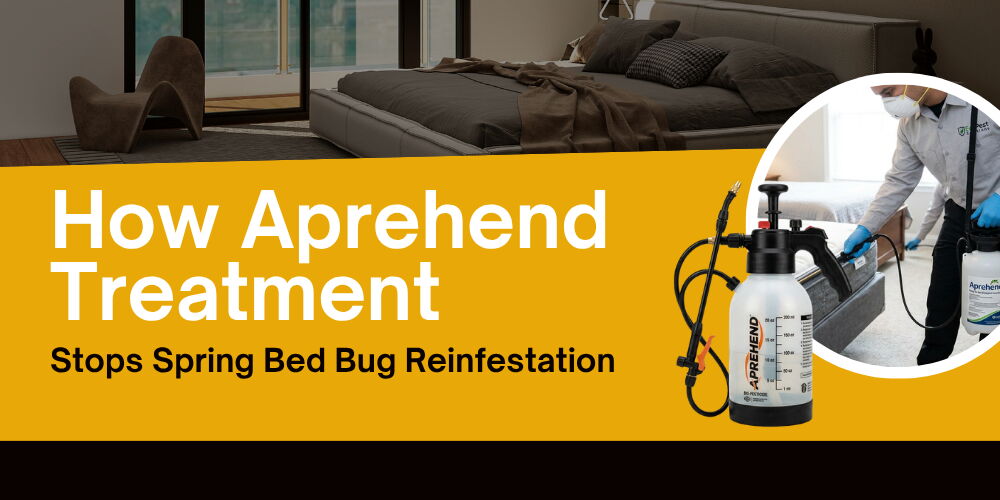
Ever wake up in spring and wonder why bites show up again even after you handled the problem? That is how bed bug reinfestation usually starts, because one missed spot or one hitchhiker can bring everything back fast. Fortunately, aprehend treatment works differently, because it keeps doing the job after the visit instead of stopping at day one. Moreover, since it is a bio pesticide, bed bugs can pick it up and spread it, helping break the cycle that makes spring so stressful. Keep reading to see how it fits into a smarter plan that actually holds.
Why Bed Bug Reinfestation Increases in Spring
Seasonal changes and increased travel raise the risk of bed bug reinfestation. As people move between hotels, public transportation, and homes, bed bugs can spread unnoticed.
Travel and Multi-unit Housing Risks
Spring travel often introduces bed bugs into homes. Luggage, clothing, and shared seating areas facilitate pest movement between locations. When travelers return home, they may unknowingly bring bed bugs with them.
Multi-unit housing also increases exposure. In apartments and condos, bed bugs can move through shared walls, outlets, and plumbing gaps. As a result, a single untreated unit can quickly affect nearby units.
Common causes of seasonal spread include:
- Frequent travel: Vacations and work trips increase contact with infested locations.
- Shared structures: Bed bugs travel between connected units through small openings.
- Furniture movement: Seasonal moves or furniture replacement can transfer bed bugs.
Because of these factors, infestations often return even after earlier treatments.
Why Bed Bug Reinfestation Happens After DIY
Many homeowners try sprays, foggers, or home remedies. However, these methods rarely reach hidden harbors. While they may kill visible insects and eggs, concealed bed bugs often remain.
As a result, bed bug reinfestation can appear weeks later when surviving bugs reproduce. In contrast, aprehend treatment targets bed bug movement rather than relying only on direct spraying.
How Aprehend Treatment Works Against Bed Bugs
Unlike many traditional pesticides, aprehend treatment uses biological control. Bed bugs contact treated areas and carry the active ingredient back to their hiding spots.
This process allows bio pesticide bed bug solutions to reach insects that avoid direct spray. Because bed bugs travel between feeding and hiding sites, the treatment spreads through the population.
How Bio Pesticide Bed Bug Solutions Spread
Bed bugs often travel across floors, bed frames, and baseboards. When they cross-treated areas, they picked up fungal spores and transferred them to other bed bugs in shared harborages.
Advantages of this approach include:
- Indirect spread: Bed bugs carry the product into hidden spaces.
- Population reach: Exposure spreads within bed bug clusters.
- Reduced avoidance: The treatment works even when bugs remain in cracks or seams.
Because of this transfer effect, aprehend treatment can impact multiple generations of bed bugs.
Long-lasting Effects of Aprehend Treatment
Another benefit of aprehend treatment is its residual performance. When applied correctly, treated surfaces remain active for several weeks.
During this time, bed bugs that emerge later still encounter the treatment. This extended activity helps reduce bed bug reinfestation, especially when eggs hatch after the initial service.
When to Choose Aprehend Treatment Over Heat
Heat treatment eliminates bed bugs quickly. However, it does not provide lasting protection. New introductions can cause another infestation.
In comparison, aprehend treatment remains active after application, helping prevent bed bug reinfestation.
Ideal Cases for Bio Pesticide Bed Bug Control
Some environments benefit more from bio pesticide bed bug control than heat treatments, especially where repeated exposure occurs.
Situations where aprehend treatment may be effective include:
- Multi-unit buildings: Residual protection helps manage movement between units.
- Moderate infestations: Gradual spread reduces bed bug populations over time.
- Sensitive environments: Some property owners prefer biological control methods.
In these cases, ongoing protection may be more useful than a single rapid treatment.
Combining Aprehend Treatment With Inspections
Although aprehend treatment provides residual control, inspections remain important. Regular monitoring helps identify new activity early and ensures treated areas remain effective.
When combined with inspections, bio pesticide bed bug control can maintain steady protection and reduce the risk of bed bug reinfestation.
Preventing Bed Bug Reinfestation in April
Spring monitoring helps prevent bed bug reinfestation. After treatment, homeowners should continue checking sleeping areas and nearby furniture.
Monitoring After Aprehend Treatment
Regular checks confirm that aprehend treatment continues to work. Inspect the following areas:
- Mattress seams and bed frames
- Baseboards and floor edges
- Upholstered furniture
- Travel bags or luggage
Because bio pesticide bed bugs control works gradually, monitoring helps track progress.
Signs of Successful Bed Bug Reinfestation Control
Successful control often leads to fewer bites, fewer visible insects, and reduced spotting near beds. When no new activity appears, bed bug reinfestation is likely under control. Continued monitoring helps maintain protection throughout the spring season.
Turn One Treatment Into Lasting Control!
Stopping bed bugs is not only about removing what you see today. Instead, preventing bed bug reinfestation requires a treatment that continues working after the service visit. Because of this, aprehend treatment supports ongoing control as bed bugs move through treated areas and carry the solution with them. Consequently, it helps interrupt the cycle that often returns during spring. Find out how aprehend treatment can help keep your home one step ahead of bed bugs.