Basement moisture does not always begin with a dramatic flood or several inches of standing water. In many homes, the first signs are much easier to overlook: a faint musty smell, a damp section of wall, condensation on pipes, peeling paint, or cardboard boxes that feel slightly soft.
Because these symptoms may appear minor, homeowners often postpone investigating them. However, even a relatively small amount of recurring moisture can gradually damage building materials, personal belongings, indoor air quality, and the overall condition of a home.
Understanding how basement moisture develops—and what it can affect—can help homeowners address the problem before it becomes more expensive or disruptive.
Moisture Can Enter a Basement in Several Ways
Basements are especially vulnerable to moisture because they are located partially or completely below ground level. The surrounding soil naturally holds water after rainfall, snowmelt, or periods of poor drainage.
When the soil around a foundation becomes saturated, water can place pressure against foundation walls and floors. Moisture may then enter through foundation cracks, gaps around utility penetrations, basement windows, wall-floor joints, or porous concrete.
Water can also reach the basement when gutters overflow, downspouts discharge too close to the house, or the ground slopes toward the foundation instead of away from it.
Not all basement moisture comes directly through the foundation. Condensation can form when warm, humid air enters a cooler basement and comes into contact with cold walls, pipes, or floors. Plumbing leaks, malfunctioning appliances, and poorly vented dryers can also contribute to damp conditions.
Because there are so many possible causes, identifying the actual source is an important first step.
Musty Odors May Be an Early Warning Sign
A musty basement smell is often treated as a normal characteristic of an older home. In reality, persistent odors frequently indicate excessive moisture and possible microbial growth.
Mold and mildew thrive in damp, poorly ventilated environments. They may develop behind drywall, beneath carpeting, around wooden framing, inside stored boxes, or in other areas that are difficult to see.
The smell may be noticeable before visible mold appears. Air from the basement can also circulate throughout the rest of the house through stairways, ductwork, gaps in flooring, and the natural movement of air.
Deodorizers and air fresheners may temporarily cover the smell, but they do not correct the moisture conditions allowing it to develop.
Finished Basements Can Hide Water Damage
A finished basement can add valuable living space, but wall coverings and flooring can make moisture problems harder to detect.
Water may seep through a foundation wall and become trapped behind insulation or drywall. By the time discoloration appears on the finished surface, hidden materials may already be damaged.
Common signs of concealed moisture include:
- Bubbling or peeling paint
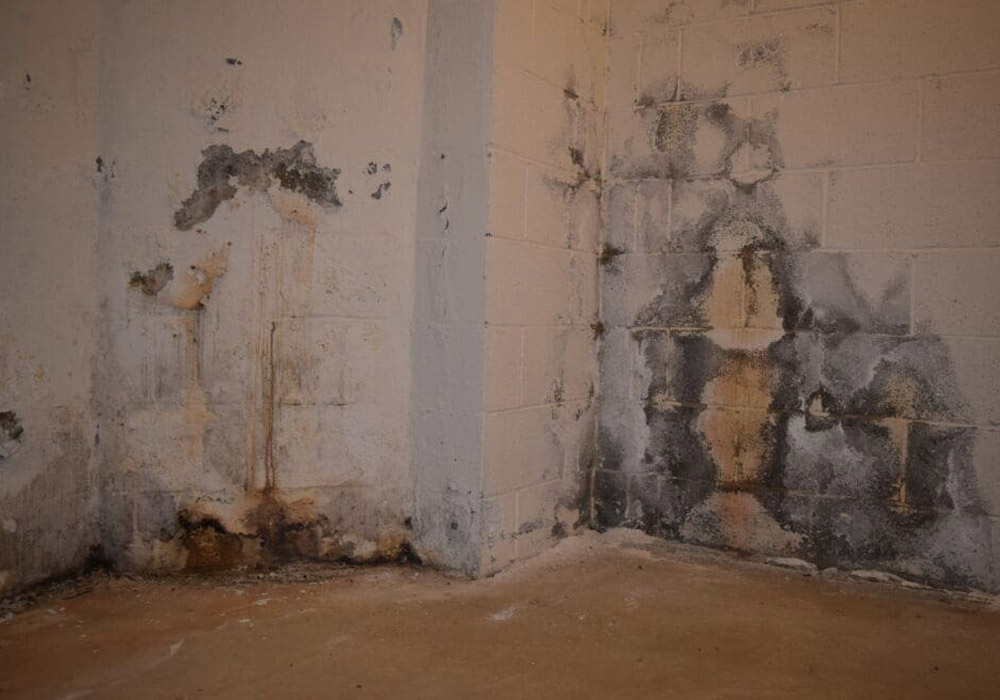
- Stains near the bottom of walls
- Swollen baseboards
- Warped laminate flooring
- Loose carpet tiles
- Soft or crumbling drywall
- Persistent odors with no visible source
These problems are sometimes repaired cosmetically without addressing the water entry point. Repainting a wall or replacing a section of flooring may improve the appearance, but the damage can return after the next period of heavy rain.
Homeowners should resolve moisture concerns before finishing or remodeling a basement. Otherwise, newly installed materials may conceal the issue while creating additional surfaces that can absorb water.
Stored Belongings Can Be Permanently Damaged
Many homeowners use the basement for long-term storage. Unfortunately, items stored in cardboard boxes or directly on the floor are especially vulnerable to moisture.
Books, photographs, documents, clothing, upholstered furniture, decorations, and electronics can all be affected. Even when water never directly reaches an item, elevated humidity may cause paper to curl, fabrics to smell, metal components to corrode, and wooden furniture to swell.
Plastic storage containers can provide some protection, but they do not solve the underlying environmental problem. If humidity remains high, condensation may still form on nearby surfaces, and mold may develop on exposed belongings.
Items should be stored on shelving whenever possible, but recurring dampness should still be investigated rather than managed entirely through storage changes.
Wooden Materials May Begin to Deteriorate
Moisture can damage wooden framing, floor joists, subflooring, stairs, shelving, and other structural or semi-structural materials.
Wood that remains damp may begin to rot or lose strength. It can also attract insects that prefer moist environments. In crawl spaces and unfinished basements, damage may occur in areas homeowners rarely inspect.
The severity depends on how much moisture is present, how long the material remains wet, and whether the area has adequate airflow. A single plumbing spill that is cleaned and dried promptly is very different from water entering repeatedly after every major storm.
Recurring moisture gives materials less opportunity to dry and can cause gradual deterioration that is easy to miss.
Foundation Problems May Become More Noticeable
Not every foundation crack indicates a serious structural problem. Concrete naturally shrinks and settles, and small cracks can develop over time.
However, cracks can create pathways for water, and changing soil conditions may place additional stress on foundation walls. When saturated soil expands or creates pressure against the foundation, existing cracks may widen or begin leaking.
Homeowners should pay attention to cracks accompanied by water stains, mineral deposits, bowing walls, uneven floors, sticking doors, or other changes in the home.
White, chalky deposits on basement walls—often called efflorescence—may also indicate that moisture is moving through masonry and leaving minerals behind as it evaporates.
Sealing the visible surface may not be enough if exterior drainage, groundwater pressure, or foundation movement is contributing to the problem.
Basement Moisture Can Affect a Future Home Sale
Water problems frequently receive additional attention when a home is listed for sale. Buyers may notice odors, staining, active leaks, dehumidifiers running continuously, or freshly painted areas that appear to cover previous damage.
A home inspector may also identify moisture readings, foundation cracks, damaged materials, poor drainage, or signs of past water intrusion.
These findings can lead to additional inspections, repair requests, price negotiations, or concerns about whether the basement can be safely finished. Even a problem that seems manageable to the current homeowner may appear more serious to a buyer who does not know its history.
Addressing the source of basement moisture before selling can make the home easier to evaluate and may reduce uncertainty during the inspection process.
Why Temporary Fixes Often Fail
Homeowners commonly try waterproof paint, patching compounds, towels, fans, or portable dehumidifiers when moisture first appears. These methods may help manage limited symptoms, but they are not universal solutions.
A dehumidifier can reduce airborne humidity, for example, but it cannot stop groundwater from entering through a foundation crack. Waterproof coatings may deteriorate if water pressure continues to build behind the wall.
The right solution depends on the source and severity of the moisture. It may involve improving exterior drainage, extending downspouts, sealing cracks, installing a sump pump, adding an interior drainage system, repairing foundation damage, or combining several approaches.
Homeowners experiencing recurring basement moisture in New Jersey should consult Blue Umbrella Waterproofing to identify where the water is entering and determine the most appropriate long-term solution.
Address Moisture Before the Damage Spreads
Basement moisture rarely improves on its own. Even when the basement appears dry for several weeks, the problem may return during heavy rainfall, rapid snowmelt, or periods of high humidity.
Regularly inspecting foundation walls, floors, windows, plumbing connections, gutters, and downspouts can help homeowners identify changes early. It is also important to investigate musty odors, peeling finishes, damp storage areas, and recurring condensation rather than treating them as normal basement conditions.
A dry basement protects more than the lowest level of the house. It helps preserve stored belongings, finished living space, structural materials, indoor comfort, and the long-term value of the property.