Every busy facility has pressure points. A loading area gets crowded at the wrong hour. A maintenance team waits too long for access. A process line slows because one piece of equipment was placed without enough clearance. These problems may look small at first, but they gradually turn into higher costs, missed schedules, and frustrated teams.
Good equipment planning helps prevent those issues before they become daily problems. It is not only about buying strong machines or choosing advanced systems. It is about understanding how people, materials, utilities, and maintenance work together inside the same space.
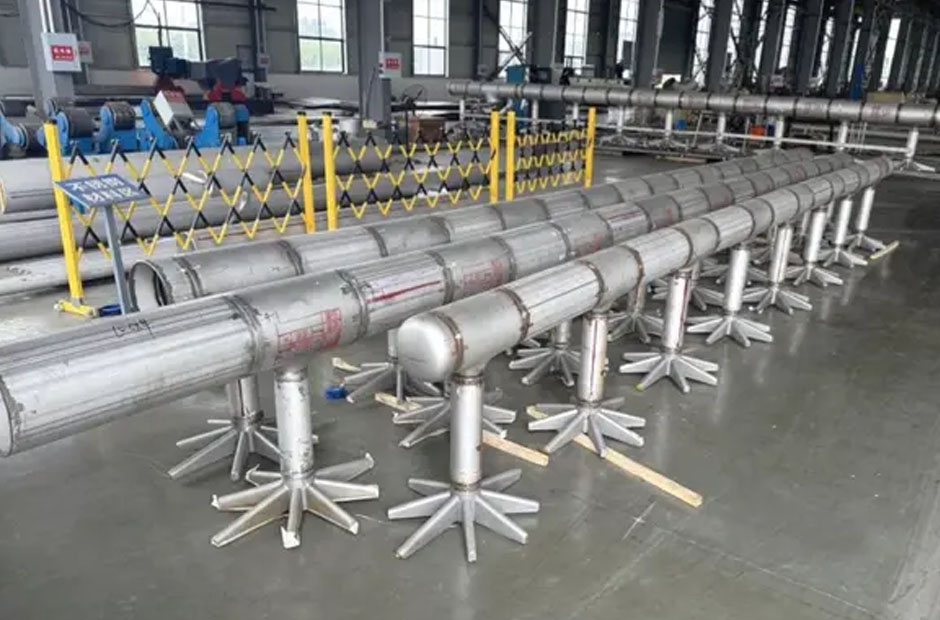
One area where this matters is project layout. When equipment arrives as separate parts, site teams often spend extra time connecting piping, wiring, frames, valves, and control elements. That can create delays, especially when different contractors are working in the same area. This is why many industrial projects now consider Skid Mounted systems. A skid-mounted package can bring several components together on one engineered frame, making transportation, installation, and future relocation easier to manage.
Planning also affects safety. Equipment that handles compressed air, steam, chemicals, or heated fluids must be treated with special care. Poor access around pressure vessels can make inspection, cleaning, and repair more difficult than necessary. A well-planned facility leaves room for operators to read gauges, reach valves, remove covers, and respond quickly when something needs attention. That space is not wasted space. It is part of keeping operations reliable.
Another important factor is maintenance flow. A facility may look efficient on the first day, but the real test comes months later when filters need changing, pumps need servicing, or instruments need calibration. If workers have to move other equipment just to reach one component, downtime increases. Good planning asks practical questions early: Can parts be removed easily? Can forklifts or lifting tools reach the area? Are walkways clear? Are emergency shut-off points visible?
Utility connections should be planned with the same care. Power, water, drainage, ventilation, and compressed air all influence where equipment should be located. When these details are ignored, teams may rely on temporary fixes that create clutter and safety risks. A cleaner plan supports smoother daily work.
The best facility decisions combine layout thinking with supplier capability. Companies such as Sharp Eagle official homepage focus on industrial equipment that must fit real project conditions, not just catalog descriptions. That kind of approach helps buyers think beyond the purchase itself and consider installation, operation, maintenance, and long-term performance.
In the end, facility bottlenecks are rarely caused by one dramatic failure. They usually come from small planning gaps that repeat every day. By choosing equipment with access, safety, and workflow in mind, businesses can build facilities that stay organized, reduce downtime, and support teams instead of slowing them down.