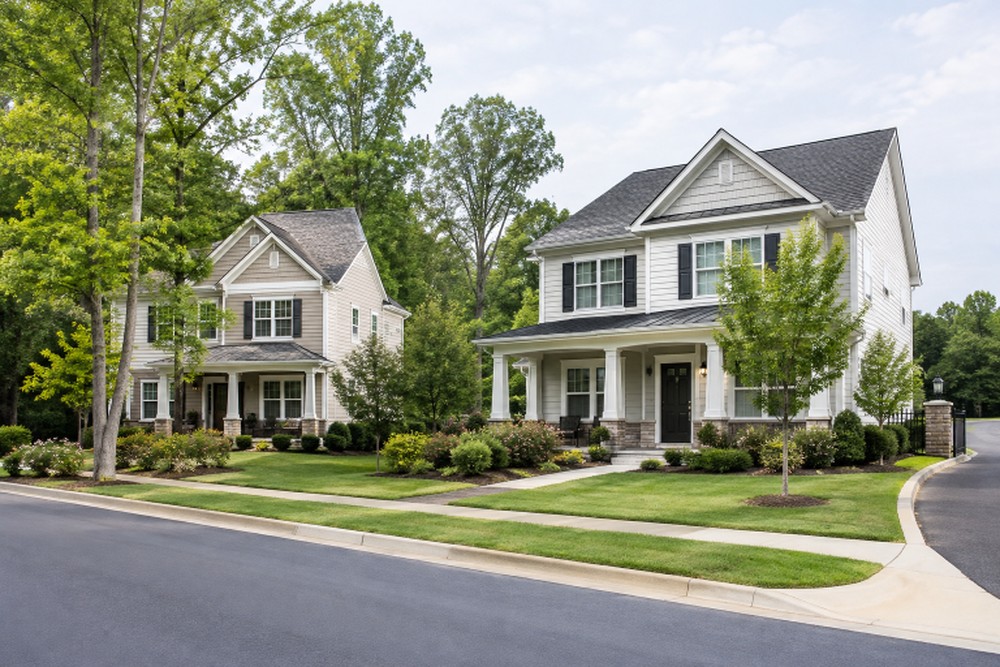
A home purchase is also a purchase of a daily routine. For people reviewing homes for sale in Heritage, Wake Forest, that routine may include the routes used for work, errands, recreation, appointments, and visits with friends or family. Square footage matters, but convenience, surroundings, and the way a location feels at different times of day can shape a decision just as strongly.
In Heritage and across Wake Forest, buyers may compare homes with similar layouts but very different settings. A home near a busy entrance, for example, can offer a different experience than an interior home with greater separation from through traffic. The goal is not to label one setting as universally better, but to identify which setting best matches a buyer’s priorities and budget.
Why Neighborhood Quality Matters
Neighborhood quality is a broad idea. It can include visual upkeep, road access, noise, outdoor space, sidewalks, nearby services, and the practical ease of getting through a normal week. Research on neighborhood walkability also underscores why access to destinations and outdoor spaces can matter to many households.
The most valuable feature is not always the flashiest one. One buyer may prioritize a peaceful street for remote work, while another may focus on a shorter route to regular activities. Sellers should avoid assuming that a single amenity will appeal to everyone. Instead, they can explain the concrete lifestyle advantages a particular location offers.
Amenities Buyers Often Notice First
During a neighborhood visit, buyers often focus on features that enhance both convenience and enjoyment. In and around Heritage, a thoughtful comparison can include:
- Parks, trails, greenways, landscaped common areas, and open space.
- Sidewalks, crossings, lighting, and routes that feel practical for walking or biking.
- Distance and travel time to groceries, dining, libraries, health care, and other frequent stops.
- Community gathering spaces, pools, courts, or clubs, when available and appropriate for the household.
- Road connections, cell service, internet options, drainage, and other everyday infrastructure.
An amenity is most relevant when it is usable. A trail that is easy to reach may matter more to an active household than a distant feature that is rarely visited. Likewise, shared facilities should be evaluated for condition, hours, rules, and the cost of maintaining them.
Lot Position Can Change Perceived Value
Homes within the same community do not necessarily compete on equal terms. Corner lots, cul-de-sacs, wooded edges, homes near common areas, properties along busier streets, and lots close to entrances can each create a different impression. Topography, drainage patterns, backyard privacy, sunlight, and the direction a home faces can also influence how a property is experienced.
Consider two homes with the same plan and similar updates. The home with a quieter backyard and more visual separation may attract buyers who value privacy. Another buyer may prefer a home closer to community activity or a main route for easier access. These differences should be reflected in a careful comparison rather than dismissed because the homes share the same neighborhood name.
Schools and Commutes Require Practical Research
Families may consider school travel time, transportation options, traffic patterns, activities, and current attendance assignments. Assignments and enrollment procedures can change, so buyers should confirm details directly with the appropriate school district rather than relying on an older listing or informal comment. School information can help evaluate fit, but it should not be treated as a guarantee of future property appreciation.
Commute time deserves the same real-world testing. Drive important routes during the morning rush, evening return trip, and a typical weekend. Check the path to work, grocery stores, medical appointments, and destinations used most often. Maps provide a useful starting point, but actual traffic flow, turning movements, and construction can change the experience.
HOAs and Shared Amenities Need a Full Review
For a home governed by an association, buyers should review documents before the end of the due-diligence period. Important items include current dues, what the dues cover, budgets, reserve funds, insurance responsibilities, pending assessments, rental restrictions, parking rules, exterior-change requirements, and maintenance obligations for shared spaces.
A pool, landscaped entrance, or recreation area may add appeal, but the financial and operational details matter. A buyer should understand whether access is included, whether use is limited by rules, and whether future costs could affect the overall ownership budget.
Use Local Data Instead of Broad Assumptions
National and regional information can provide context, and the house price index datasets offer one way to review broader changes in single-family home values. Still, those figures cannot determine the value of a specific Heritage property. A precise analysis should focus on recent nearby sales, active competition, withdrawn listings, days on market, condition, lot features, and concessions.
Buyers can create a simple comparison list for each property: total monthly cost, lot setting, privacy, road exposure, useful amenities, needed repairs, HOA obligations, and realistic travel times. Sellers can use the same categories to explain why their home compares favorably with similar options.
A Neighborhood Visit Checklist
- Visit on both a weekday and a weekend, at more than one time of day.
- Listen for traffic, aircraft, trains, lawn equipment, and nearby activity.
- Walk or drive the routes to the places you expect to use regularly.
- Observe sidewalks, crossings, lighting, drainage, and general property upkeep.
- Review available zoning, development, flood, and drainage information.
- Talk with residents when possible, while treating individual opinions as personal perspectives rather than proof.
How Sellers Can Position Neighborhood Value
Strong marketing connects the property to daily life with specific, supportable details. Describe usable outdoor areas, access routes, community features, privacy, and nearby conveniences accurately. Provide association documents early when applicable, use photos that show the setting as well as the interior, and price the home against comparable properties with similar location advantages and limitations.
Final Perspective
The best home decision balances price, condition, future plans, and everyday usefulness. In Heritage, Wake Forest, a thoughtful buyer looks beyond finishes to assess the complete setting around a home. A thoughtful seller does the same work, then presents the property’s location and lifestyle benefits clearly, accurately, and in context with the local market.