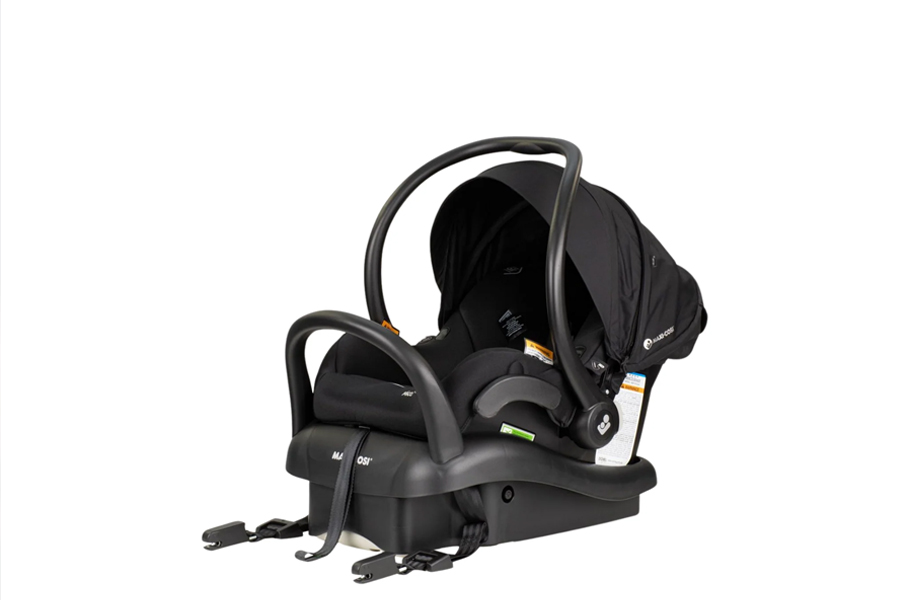
A capsule car seat is the first seat your baby ever rides in. It clips in and out of a base fitted in your car. Newborns need one for every trip home from hospital, no matter how short the drive is. In Australia, babies under six months must ride in an approved rear facing seat by law. The seat must meet the AS/NZS 1754 standard, no exceptions, no shortcuts. Get the fit wrong and you risk a fine, or worse, a baby who isn’t protected in a crash. If you’re browsing options, this guide to the best capsule car seat for newborns walks through what actually matters, not just marketing claims.
Why The AS NZS 1754 Label Matters More Than The Price Tag
Every capsule sold in Australia must carry this label. It’s not a suggestion. It’s the law. This standard is one of the toughest in the world. It’s the only one that required side impact testing for years before other countries caught up. A cheap capsule with the label beats an expensive one without it, every time. I know that sounds blunt. It is blunt, because babies don’t care about brand names.
Check the label before you check the price. Look for the sticker on the shell itself, not just the box. Boxes get swapped. Shells don’t lie.
Rear Facing Isn’t Optional, It’s The Law
Babies up to six months old must travel rear facing. This isn’t a guideline parents can skip if they’re in a hurry. A rear facing seat spreads crash force across the baby’s back and shoulders instead of the neck. A newborn’s neck can’t handle forward force yet. Their head is heavy. Their spine is still soft.
Correct restraint use cuts the risk of death in a crash by up to 75 percent. That number should stop anyone from cutting corners on installation.
Weight Limits Decide When You Upgrade, Not Age
Most capsules fit babies up to around six months or a set weight limit, whichever comes first. Some newer designs stretch further. Don’t go by your friend’s timeline. Go by the numbers printed on your own seat. A big baby might outgrow a capsule at four months. A smaller one might still fit at seven. Check the shoulder height markers too, not just weight.
Isofix Versus Seatbelt Installation, What’s The Real Difference
Isofix bases click into metal anchor points built into your car. Seatbelt installation threads the actual seatbelt through the base instead. Isofix is faster and harder to get wrong. I’ll admit seatbelt installation isn’t dangerous when done right, but it leaves more room for human error on a tired morning. If your car has Isofix points, use them.
Free fitting checks exist in every state. Book one. A seat that looks installed and a seat that is actually installed can look identical to an untrained eye.
Second Hand Capsules Are A Gamble I Wouldn’t Take
A capsule must be under ten years old and free of cracks, stress marks, or mould to stay legal. You can’t see stress fractures from crash damage just by looking at a seat. That’s the real problem with buying second hand from a stranger. A seat that’s been in a crash can look fine and still be unsafe.
Buy from someone you trust, or buy new. That’s not me being overly cautious. That’s just how crash protection actually works. The foam inside compresses once and doesn’t bounce back the same way twice.
Getting the base fitted before your baby arrives saves stress later. Hospitals often check installation before you’re discharged. Take them up on it.