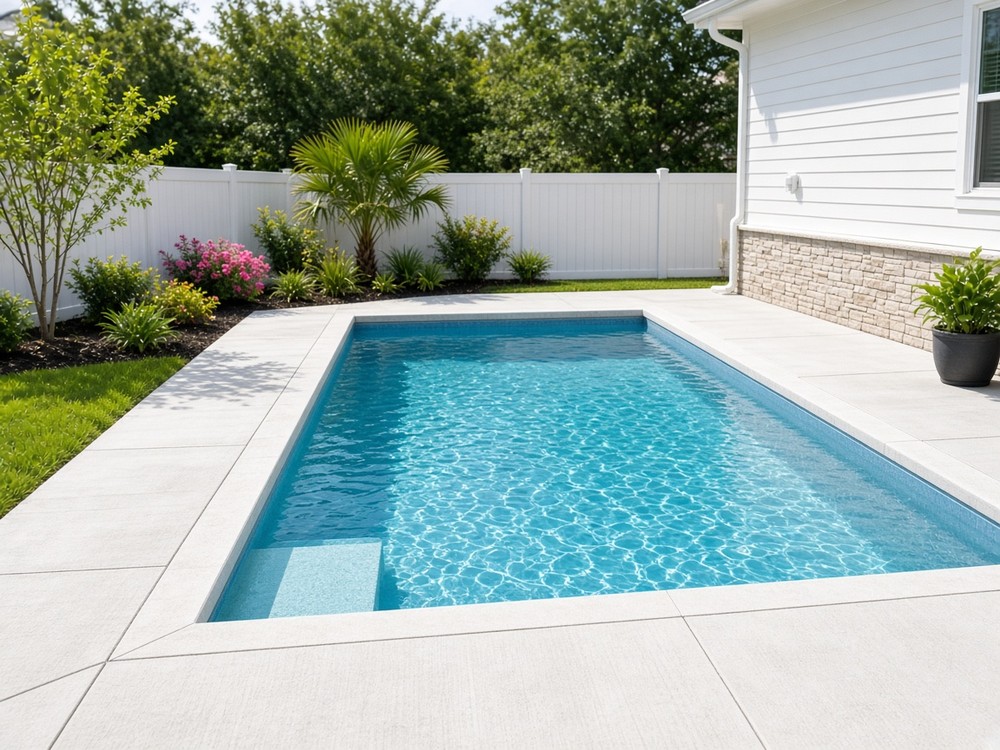
A swimming pool can transform an ordinary backyard into a relaxing outdoor retreat. Whether you want a place to cool off during hot summer days, spend quality time with family, or entertain friends, a well-designed pool can make your outdoor space more enjoyable. However, turning that idea into reality requires careful planning, the right materials, and experienced professionals who understand the installation process.
For homeowners considering a new pool, finding reliable pool installers in Jacksonville NC is an important first step. The right installation team can help you choose a suitable pool design, prepare your property, navigate local requirements, and ensure that the finished project meets your needs.
Understanding Your Pool Installation Options
Before starting a project, it helps to understand the different types of swimming pools available. Each option has its own advantages, costs, and maintenance requirements, so the best choice depends on your property, budget, and long-term plans.
Inground Swimming Pools
Inground pools are a popular choice for homeowners who want a permanent addition to their outdoor living space. They can be designed in different shapes, sizes, and depths to complement the property’s layout and the family’s intended use.
Concrete, fiberglass, and vinyl liner pools are common inground options. Concrete pools offer extensive design flexibility, fiberglass pools typically provide a smooth, factory-made surface, and vinyl liner pools can offer flexibility in initial project costs. Each type has different installation timelines and ongoing maintenance considerations.
Above-Ground Pools
Above-ground pools can be a practical alternative for homeowners who want recreational swimming without the same level of excavation required for many inground installations. They are available in several sizes and configurations, making them suitable for a variety of backyards.
Although these pools may have lower initial installation costs, the ground must still be properly prepared, and the structure needs to be installed according to the manufacturer’s specifications. Homeowners should also consider access, drainage, and any applicable local restrictions.
Why Professional Pool Installation Matters
Installing a swimming pool involves much more than placing a structure in the ground and filling it with water. The process can include excavation, grading, plumbing, electrical work, filtration equipment, structural installation, and finishing.
Professional installers coordinate these elements to help ensure that the pool functions properly and remains safe to use. Poor preparation can contribute to drainage problems, uneven settling, equipment issues, or costly repairs later.
Experienced contractors can also help homeowners identify potential challenges before construction begins. For example, limited backyard access, sloping terrain, underground utilities, and unsuitable soil conditions may affect the installation method, project schedule, and overall cost.
Choosing a qualified team from the beginning can reduce avoidable complications and make the construction process easier to manage.
Important Factors to Consider Before Installing a Pool
Every backyard is different, and a successful installation starts with evaluating the property and establishing clear expectations.
Backyard Space and Layout
The available space will influence the pool’s dimensions, shape, placement, and surrounding features. Homeowners should consider how the pool will fit alongside patios, landscaping, fences, outdoor kitchens, and existing structures.
It is also important to leave adequate room for safe access and maintenance. A professional assessment can help determine whether the preferred design is practical for the property.
Soil Conditions and Drainage
Jacksonville homeowners should pay attention to ground conditions and how water moves across the yard. Soil composition, groundwater levels, and drainage patterns can affect excavation and pool construction.
Proper grading and drainage planning help prevent unwanted water accumulation around the pool area. Depending on the site, additional preparation or drainage solutions may be necessary.
Local Permits and Regulations
Pool construction may require permits, inspections, and compliance with applicable building and safety requirements. Setback rules, barriers, access gates, and electrical safety provisions should be reviewed before construction starts.
Homeowners should confirm requirements with the appropriate local authorities and ask their contractor which permits and inspections are included in the project. It is better to address these details early than to discover a compliance issue after work has begun.
Budget and Long-Term Expenses
The total cost of a pool extends beyond the initial installation price. Excavation, site preparation, decking, fencing, pumps, filters, lighting, and landscaping can all affect the final budget.
Ongoing expenses may include electricity, water, chemicals, cleaning, seasonal maintenance, and equipment repairs. Requesting a detailed written estimate helps homeowners understand what is included and identify potential additional costs.
How to Find Reliable Pool Installers in Jacksonville, NC
Selecting the right contractor is one of the most important decisions in the entire project. Taking time to evaluate several providers can help you make a confident and informed choice.
Check Experience and Previous Projects
Look for installers with relevant experience in the type of pool you want. Ask to see photographs of completed projects and, where possible, examples of work involving properties with similar layouts or site conditions.
Previous projects can provide insight into a contractor’s workmanship, attention to detail, and ability to deliver designs that suit different homeowners.
Verify Licensing and Insurance
Ask prospective contractors about the licenses, registrations, and insurance coverage applicable to their work. Requirements can vary according to the services provided, so confirm the relevant standards for your project in North Carolina.
Appropriate insurance and verified qualifications help protect both the homeowner and the contractor during construction.
Read Reviews and Request References
Customer reviews can reveal useful information about communication, scheduling, workmanship, and how a contractor handles unexpected problems. Do not rely on ratings alone; look for consistent feedback across multiple sources.
You can also ask for references from previous customers. Their experiences may help you understand whether the installer followed the agreed scope, explained additional expenses clearly, and completed the project to the expected standard.
Compare Detailed Written Estimates
Obtain estimates from multiple qualified contractors and compare the scope of work rather than focusing exclusively on the lowest price.
A comprehensive estimate should explain the proposed pool type, site preparation, equipment, materials, installation services, payment schedule, warranty coverage, and exclusions. Clarify who is responsible for permits, inspections, electrical connections, and landscaping restoration.
A clear contract helps prevent misunderstandings and establishes expectations before construction begins.
What to Expect During the Pool Installation Process
While the exact timeline varies by pool type and property conditions, most projects follow several general stages.
Planning and design: The installer evaluates the property, discusses your preferences, establishes the project scope, and develops a suitable design.
Permits and preparation: Required approvals are obtained, utilities are identified, and the site is prepared for construction.
Excavation and installation: For an inground pool, excavation and structural installation take place. Plumbing, electrical systems, and filtration equipment are installed as required.
Finishing work: Depending on the project, this stage may include decking, coping, surrounding landscaping, fencing, and other outdoor features.
Inspection and handover: The completed installation is checked, required inspections are addressed, and the homeowner receives guidance on operating and maintaining the pool.
Weather, material availability, permitting, and unexpected site conditions can affect the schedule. Regular communication with the contractor helps you stay informed throughout the process.
Maintaining Your Pool After Installation
Proper maintenance helps preserve water quality, protect equipment, and extend the useful life of your investment. Before the project is completed, ask your installer to explain the operation of the pump, filtration system, and any additional equipment.
Regular tasks typically include testing and balancing water chemistry, cleaning the pool, checking filters, inspecting equipment, and monitoring water levels. The frequency of these tasks depends on the pool system, usage, and environmental conditions.
Homeowners should also follow appropriate safety practices, including maintaining required barriers and keeping children supervised around the water. A pool safety plan is an essential part of responsible ownership.
Create a Backyard That Fits Your Lifestyle
A swimming pool can become the centerpiece of an outdoor space, providing opportunities for exercise, relaxation, and family gatherings. The best results come from balancing attractive design with practical considerations such as available space, maintenance needs, safety, and long-term affordability.
By researching pool installers in Jacksonville NC, checking credentials, comparing detailed estimates, and discussing your expectations before construction begins, you can make a more informed decision about your investment.
With careful planning and a qualified installation team, your backyard pool can become a valuable addition to your home and a place to enjoy for years to come.