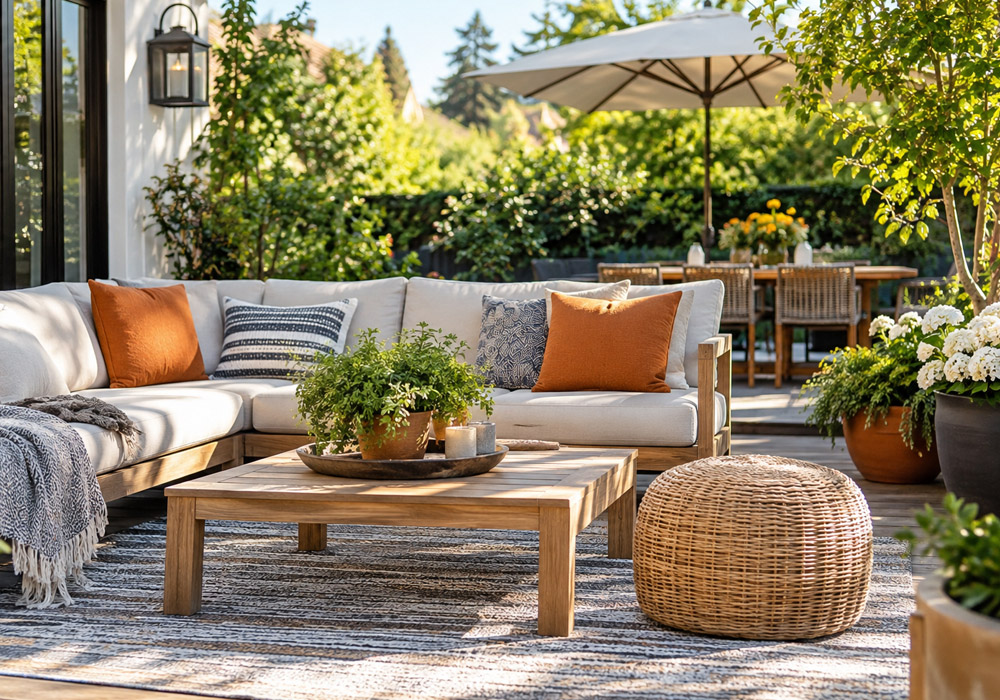
Your backyard is not just grass and a fence. It is a whole extra room that most people forget they own. I have walked through dozens of homes where the garden sits empty while everyone squeezes into one tiny kitchen. That is a waste of space, and honestly, a waste of money too. Australia gets some of the strongest sun exposure on earth, so an outdoor area should work as hard as any living room. Good pieces of designer outdoor furniture change everything, turning a slab of bare concrete into a spot you actually want to sit in every single evening.
Start With The Bones, Not The Cushions
Everyone jumps straight to picking a nice sofa. Wrong order. First figure out the zones. A cooking zone near the kitchen door. A lounging zone further out, maybe under a tree. A dining zone that seats your whole family plus two extra chairs for guests who show up unannounced. Mark the zones on the ground with chalk or rope, and the furniture choice becomes ten times easier.
Do Not Skip These Small Details
A few things separate an outdoor space that feels finished from one that always feels half done.
- Rugs rated for outdoor use, so rain will not ruin them
- Storage for cushions, so fabric is not baking in sun all day
- A mix of seat heights, low lounge chairs plus a few higher stools
- At least one fire element, a pit or heater, for cooler nights
- Plants in varying heights to break up hard lines from furniture
Pick Materials That Survive The Weather
This part is not glamorous, but it is the part that saves you money later. Cheap plastic resin furniture looks fine for a season, then it cracks and fades within two to five years. Steel and iron rust fast unless you baby them constantly. Teak is the material most designers keep coming back to, and for good reason.
Here is a quick comparison worth pinning to your fridge before you buy anything:
| Material | Weather Resistance | Typical Lifespan | Maintenance Needed |
| Teak | Excellent | 25 to 50 years | Low |
| Powder coated aluminium | Good | 10 to 15 years | Low |
| Synthetic wicker | Moderate | 5 to 10 years | Moderate |
| Plastic or resin | Poor | 2 to 5 years | Low |
| Steel or iron | Poor, rusts | 5 to 10 years | High |
Teak holds up so well because it carries natural oils inside the wood grain. Those oils push back against moisture, insects and rot without any chemical spray. Aluminium is the smart second choice if you want something lighter and easier to move around a deck.
Layer In Light And Shade
A gorgeous table means nothing if you are squinting or freezing to use it. Shade sails and pergolas cut direct sun by a huge margin during peak hours, and that matters given how many Australian suburbs sit under extreme UV ratings for most of summer. String lights or low voltage path lighting stretch the space into the evening, which is honestly when most people actually use it. A retractable awning is worth the spend on a west facing patio, since afternoon glare is the top reason people abandon an otherwise good outdoor setup.
None of this needs a huge budget. It needs a plan, and materials chosen for how they will look in year five, not just this weekend. A yard done right pulls double duty as living space and as a genuine selling point, since buyers in Australia consistently rank a usable outdoor area as one of the top features they search for in listings. I have seen plain concrete courtyards turned into the most used room in the house with nothing more than a solid table, real shade, and furniture built to survive a wet winter.