Ensuring the safety and security of your commercial property starts right at the perimeter. Whether your business is a small office, warehouse, or multi-acre industrial site, a well-built and properly maintained fence is your first and most visible line of defense. By focusing on effective strategies and practical improvements, you can address potential security issues before they become liabilities. For businesses looking to bolster their perimeter, exploring commercial fencing solutions is a vital first step to protect their assets and avoid preventable incidents.
The right fencing approach can help prevent theft, trespass, and vandalism, while also keeping your business compliant with regulations, say Keyrenter Hampton Roads specialists. Moreover, investment in strong, secure fencing reduces liability risks and helps foster a safer working environment for both staff and visitors. From selecting suitable materials to integrating modern security features, each decision shapes the overall resilience of your property’s boundary.
Understanding the Importance of Commercial Fence Safety
A secure and stable fence signals to would-be intruders that your property is protected. Commercial fence safety not only delineates boundaries but can also prevent unauthorized access, theft, and vandalism. Neglected fencing leaves properties more vulnerable, often resulting in increased insurance claims and business disruptions.
Additionally, robust fencing helps minimize legal exposure. Businesses are often held liable for injuries caused by unsafe fencing or accidental trespass incidents due to missing or damaged barriers. Ultimately, proactive fence management directly protects your reputation and bottom line.
Choosing the Right Materials for Durability and Security
The longevity and security of your commercial fence begin with the materials you select. Common commercial fencing options include:
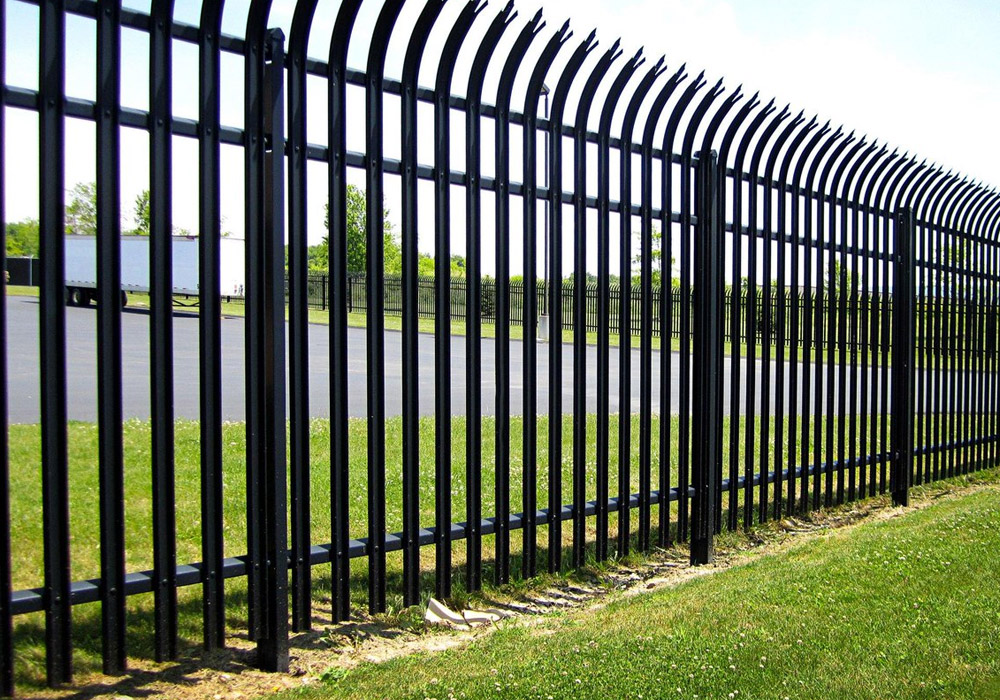
- Steel and Aluminum Fencing:These offer outstanding strength and are particularly suitable for areas requiring high security.
- Chain-Link Fencing:Known for its combination of affordability, visibility, and dependability, it is a popular choice for commercial spaces needing clear sight lines.
- Vinyl Fencing:Offers durability with a lower-maintenance profile, making it appealing where both security and appearance matter.
When choosing materials, always consider the specific threats your property may encounter, from attempted climbs to severe weather. The right choice should be both resistant to intrusion and durable against environmental stressors.
Regular Inspections and Maintenance
Even the sturdiest fence requires routine assessments to remain effective. Consistent inspection routines help spot small issues before they escalate, such as:
- Checking Structural Integrity:Look for signs of leaning posts, rust, loose bolts, and any weakening of the foundation.
- Identifying Gaps or Holes:Monitor for spaces or broken sections that may allow intruders entry, especially after storms or accidental impacts.
- Testing Gate Functionality:Ensure that gates swing freely, close securely, and that locking mechanisms are operational.
Proactive maintenance prevents minor repair needs from turning into major vulnerabilities.
Regular structural evaluations help identify compromised posts, loose hardware, or sagging sections before they result in perimeter security breaches. Coordinating routine inspection schedules alongside professional services like Greenwald Exteriors fence repair ensures that structural defects are resolved early, helping maintain boundary integrity and extending the operational lifespan of the entire barrier.
Regular scheduled checks not only boost safety but can also extend the life of your investment.
Integrating Security Features
Modern commercial properties often require more than just a physical boundary. Adding advanced security enhancements can fortify your perimeter and deter breaches:
- Anti-Climb Features:Specialized designs, such as narrow picket spacing or fence toppers (e.g., spikes or rotating rails), impede would-be intruders from scaling the barrier.
- Surveillance Cameras:Well-placed cameras along the fence provide real-time monitoring and recorded evidence in the event of incidents.
- Security Lighting:Good visibility at night is crucial. Motion-activated lights or continuous illumination can discourage unwanted activity and support surveillance cameras.
Incorporating these features supports a layered defense approach and complements efforts by on-site security staff and alarm systems.
Compliance with Safety Regulations
Ensuring your fencing meets local codes is an essential part of commercial property management. Stay updated on:
- Height Requirements:Most municipalities set a minimum or maximum fence height for commercial properties to balance privacy, visibility, and safety concerns.
- Material Standards:Building codes specify permitted materials for security and durability, protecting both occupants and passersby.
- Emergency Access:Regulations often require designated gates for quick evacuation and emergency responder entry in case of fire or other incidents.
Staying compliant not only avoids fines but also establishes a safety-centric culture for your organization. You can consult the OSHA standards for additional guidance on perimeter safety requirements.
Training Staff on Fence Safety Protocols
A well-trained workforce is a powerful line of defense for your property. Staff should be able to:
- Recognize and Report Damage:Encourage prompt reporting of tampering, rust, visible damage, or unexplained modifications to any fence section.
- Follow Reporting Procedures:Have clear steps in place for escalating concerns to management or maintenance teams.
- Implement Emergency Protocols:Staff need to understand how to respond and who to alert if a breach or attempted intrusion is discovered, fostering a unified response.
Ongoing training and periodic drills help ensure everyone is prepared to participate in maintaining fence security.
Addressing Common Safety Hazards
In addition to keeping out intruders, it is essential to mitigate risks associated with the fence itself. Common hazards include:
- Slip, Trip, and Fall Hazards:Make sure the ground along fence lines is clear, and surfaces are even. Address mud, ice, or debris promptly to protect staff and visitors.
- Weather-Related Damage:Inspect after storms for downed sections, fallen branches, or corrosion that could compromise security.
- Unauthorized Modifications:Monitor for ad-hoc fixes or attachments that may weaken the structure, reduce visibility, or create climbing points.
Addressing these hazards supports overall site safety and helps maintain insurance compliance.
Conclusion
Improving the safety of your commercial fencing is a multi-step process. By choosing durable materials, conducting routine maintenance, integrating effective security enhancements, complying with regulatory requirements, educating your staff, and proactively addressing common hazards, you can dramatically reduce your property’s exposure to risks. These measures safeguard not only your assets and operations but also the people who interact with your business every day.