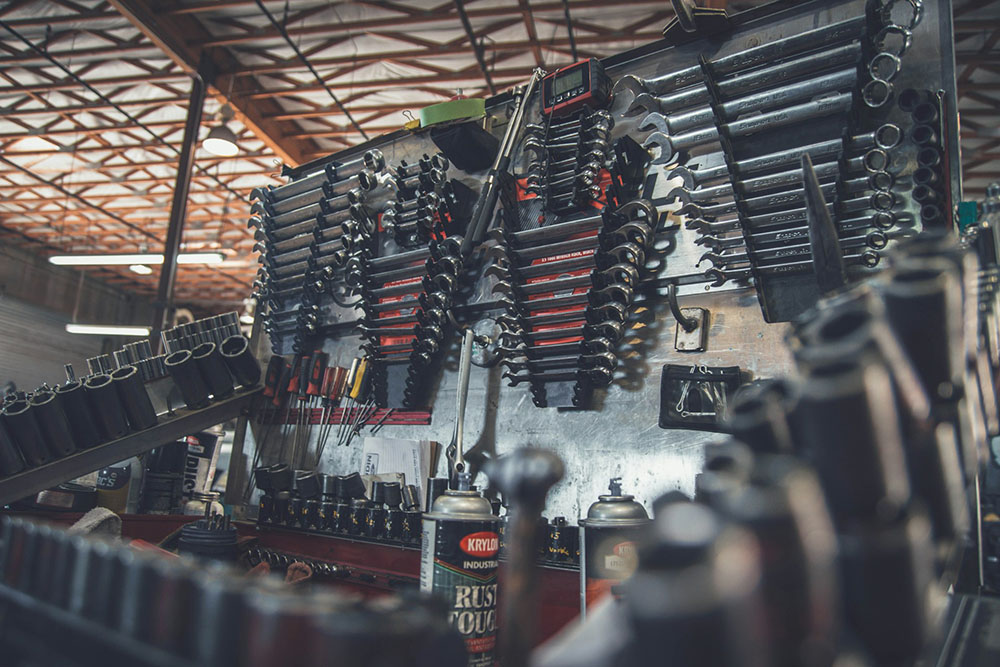
If your garage is messy, no wonder why every project takes so long. You end up digging for missing sockets, hunting for drill bits, and eventually cramming expensive tools into messy drawers or piling them onto whatever shelf hasn’t collapsed yet. People who rely on their tools – whether they’re mechanics or DIYers – figure out pretty quickly that a neat garage isn’t just about how it looks. It keeps your tools safer, makes you more productive, and, honestly, makes repairs easier to handle. Even if your garage is small, you can set it up to work like a pro’s shop if you think ahead.
Start With a Thorough Tool Inventory
First, figure out what stuff you actually have. Too many people just shuffle stuff around, organizing the clutter that’s already there instead of making a system that fixes the problem.
Pull everything out – drawers, shelves, bins, benches. Get it all in plain sight, then sort it into piles: hand tools, power tools, automotive gear, gardening stuff, woodworking bits, electrical supplies, fasteners, whatever else you find. You’ll spot duplicates and realize what’s missing or busted. In professional shops, people set up their tools based on how they work: the stuff you grab all the time, you keep close. Specialty or seasonal tools can live farther away.
This is also the time to chuck anything that’s broken, old, dried up, or flat-out useless. Garages lose way too much space to junk nobody touches. Clearing out the junk lets you build a system that won’t fall apart six months from now.
Choose a Reliable Storage System
Your storage needs to last and stay practical. Cheap plastic bins might work for the odd screwdriver collection, but they’ll quit on you fast if you do real work. Tougher solutions – steel cabinets, sturdy drawer units, and real-deal shelving – stand up to abuse and keep your good stuff safer.
Tool chests are classic for a reason. If you move around the garage all the time, consider a rolling tool box with drawers that will follow you wherever you go. Solid drawers with smooth slides keep hand tools sorted and out of the dust. Throw in some drawer liners to stop stuff from sliding around (and getting scraped up).
Use open shelves for big cases, bins, or gallons of car fluids. Adjustable shelves are better in the long run because your stash will probably grow. For tight garages, ceiling-hung racks can save a ton of space. Stash seasonal equipment or rarely grabbed gear up top.
Pegboards stick around in garages because they work – you can find your hammer or pliers at a glance, and it’s obvious if something’s missing. Some shops even draw an outline for each tool behind the hook, so everyone knows where things go back.
Design the Garage Around Work Zones
Professionals don’t just stash tools wherever there’s an open spot – they carve out actual zones for different jobs. That way, you don’t have to trek from one end of the garage to the other in the middle of a project.
Most setups need a workbench, a zone for power tools, a hardware spot, and storage for big items. Mechanics will also want space for items such as fluids, detail kits, jacks, or spare tires. Keeping all the related gear together saves time.
The workbench is the home base. Keep your go-to hand tools close by – use drawer organizers, wall racks, or a pegboard above or next to the bench. Power tools want to be near outlets and chargers. Hardware – think screws, nails, bolts – should go in labeled containers that you can see and grab fast.
Don’t ignore the walls. Hanging things up frees up floor space and keeps gear visible. A mix of wall panels (like slatwall), sturdy shelving, magnetic strips, and wall-mounted cabinets works well and keeps tools from becoming tripping hazards.
Hand Tools Need Their Own Logic
The tools you reach for all the time are the ones you should organize the best. Every piece should have a spot, and that spot shouldn’t move.
Line up screwdrivers by size and type, put pliers together, and sort sockets in trays with clear labels. Group wrenches by metric or SAE and in order. Magnetic rails and foam in drawer organizers keep everything steady and easy to spot.
Some mechanics swear by shadow foam – a dense insert cut to fit every tool. It isn’t cheap, but it cuts the mess and saves you from losing gear. If you go that route, you’ll spend less time digging and more time actually working.
Avoid cramming stuff into every inch of a drawer. Give yourself enough space to pull out what you need easily. Sometimes a bigger storage chest beats a cramped (and annoying) one.
How to Store Power Tools
Power tools are a whole different beast. They’re heavier, pricier, and most come with their own pile of chargers, bits, or oddball attachments.
Keep cordless drills, sanders, and saws next to a charging area. Fasten a charging shelf on the wall or set up a charging cabinet with built-in outlets. That keeps cords off the floor and batteries within reach.
Don’t park your power tools right on bare concrete – it sucks up moisture and can wreck the motors over time. Sitting them on a shelf, in a rack, or inside a cabinet keeps them safe and organized.
Keep the extra bits and blades near the matching tool. Bins or tackle boxes work great. Otherwise, you’ll spend half your afternoon searching for that one drill bit that always disappears.
Use Labels and Visual Organization Methods
If you want your garage to stay organized, don’t skip the labels. Mark up drawers, bins, and cabinets. Go with something durable and easy to read. Clear containers help you see what’s inside without opening ten lids. The important part isn’t how it looks – it’s about making sure nothing gets lost, and everyone can put things back where they go.
Color coding helps, too. Pick one color for automotive stuff, another for garden gear, and another for woodworking. If different people use the same garage, this really makes a difference.
Labels are especially important for safety. Hazardous chemicals, anything flammable, or sharp tools should be easy to spot and kept in their own marked areas. Safety gear – gloves, goggles, respirators, fire extinguishers – needs to be visible and easy to reach.
Maintain the System Regularly
No matter how much effort you put into setting up your garage, it’ll turn back into chaos if you don’t stay on top of it. Pros keep things clean by making pick-up part of their daily routine – not just an occasional deep clean.
Put tools away the second you’re done. Spend a few minutes tidying up after every job. That tiny bit of effort keeps the mess from getting out of control and means you won’t end up dreading the next big garage overhaul.
Every once in a while – say, each season – review what’s changed. Tool collections grow, you buy something new, or realize something’s been missing since last year. Make adjustments before things get out of hand.
Check storage systems, too. Tighten screws on shelves, toss broken bins, and clear out the grime in drawers. Well-kept storage lasts longer and saves money by keeping your gear in better shape.
Conclusion
Organizing your garage like a pro takes more than buying a few bins or clearing off the workbench for one day. You need a setup that works around how you actually use your tools – and that stays strong over time. Give everything a dedicated spot, pick storage that won’t break, and keep up with the routine. Whether you’re fixing up cars, restoring furniture, or just keeping the house in shape, a truly organized garage makes every job a whole lot easier.



