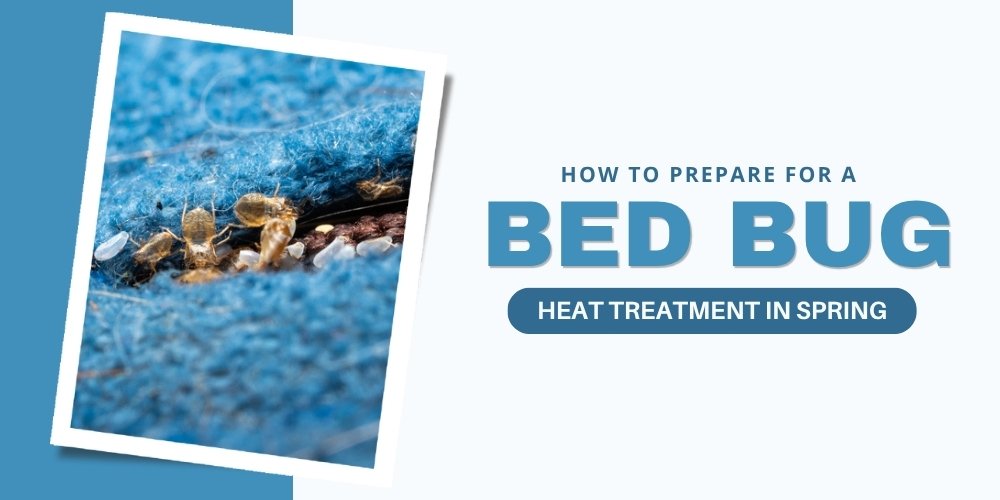
Ever wonder why bed bug problems seem to resurface in spring? As temperatures rise and routines shift, hidden infestations often become active again. As a result, scheduling a bed bug heat treatment can stop the problem before it spreads. Still, you must adequately prepare for heat treatment to ensure nothing interferes with the results. Continue reading to handle the process with confidence and avoid common mistakes.
Why Bed Bug Heat Treatment Is Ideal in Spring
Spring often brings more movement through your home, including travel, guests, and deeper cleaning, which can expose or spread bed bugs. Starting treatment early helps you control the issue before it expands into other areas.
Warmer Weather and Seasonal Reinfestations
Spring creates the perfect environment for increased bed bug activity. As the weather warms up, travel tends to increase, making it easier to accidentally bring bed bugs home through hotels, public transit, or luggage. In addition, spring cleaning often uncovers hidden infestations that went unnoticed during winter.
Because of this seasonal shift, spring bed bug extermination becomes a proactive step rather than a reactive one. Instead of waiting for the problem to grow, homeowners can address infestations early. Moderate outdoor temperatures help pest control professionals stabilize indoor heat levels more efficiently during a bed bug heat treatment.
One-Day Extermination Without Chemicals
Speed also makes heat treatment appealing. Unlike chemical programs that require multiple visits, a professional bed bug heat treatment typically finishes in one day. As a result, homeowners reduce disruption and avoid repeated pesticide applications.
Moreover, heat penetrates mattresses, furniture, and cracks where bed bugs hide. Consequently, it eliminates bed bugs at every life stage, including eggs. For families seeking a direct and chemical-free approach, spring bed bug extermination offers a practical solution.
How to Prepare for Bed Bug Heat Treatment
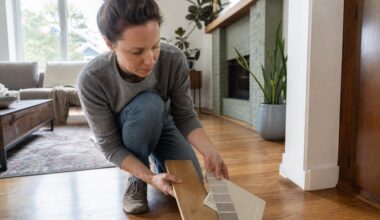
Preparation supports the heat process by clearing airflow pathways and protecting sensitive items. When you follow the checklist closely, you reduce delays and help professionals thoroughly treat the space.
Room Prep Checklist: What to Remove and Protect
Proper preparation directly affects results. It is essential to carefully prepare for heat treatment by following your exterminator’s checklist.
Generally, most professionals recommend the following:
- Remove heat-sensitive items such as candles, aerosol cans, medications, vinyl records, and certain cosmetics.
- Take out plants, pets, and perishable foods.
- Launder and dry bedding and clothes on a high heat setting before returning them to the room.
- Declutter floors and closets to allow heat to circulate freely.
Although professionals will guide you, preparation ensures the bed bug heat treatment reaches every hiding spot. At the same time, removing fragile items prevents damage during high-temperature exposure.
Safety Tips for Children, Pets, and Electronics
Safety remains a top priority. All occupants, including children and pets, must vacate the home during the bed bug heat treatment. Remove fish tanks from the area, or adequately protect them by following your professional’s instructions.
Additionally, electronics generally remain inside the home since many devices tolerate moderate warmth. However, it is still essential to consult your provider to confirm which devices are safe to leave. When you properly prepare for heat treatment, you minimize risks and help ensure a smooth process.
What Happens During a Spring Bed Bug Heat Treatment
Knowing what happens on treatment day helps you plan your schedule and set expectations. It also makes the process feel more predictable, especially if this is your first time using heat.
How High the Temperature Gets
During a professional bed bug heat treatment, professionals use specialized heaters and fans to raise indoor temperatures to 120°F-140°F. This level is lethal to bed bugs but carefully monitored to prevent structural damage.
They also place sensors throughout the home to ensure even heat distribution. As a result, furniture interiors, wall voids, and other hidden spaces receive adequate exposure. During spring bed bug extermination, stable weather conditions help maintain consistent internal temperatures.
How Long Treatment Lasts
Typically, a bed bug heat treatment lasts between six and eight hours. The exact timeframe varies based on the home’s size and the extent of the infestation.
Although the heating phase may take several hours, preparation and cooldown time also factor into the schedule. Nevertheless, most homeowners return the same day once temperatures reach safe levels. Compared to repeated chemical visits, this one-day approach makes spring bed bug extermination both convenient and efficient.
Aftercare Tips for Heat Treatment Clients
Aftercare protects your results and helps you catch any issues early. A few simple habits after treatment can also reduce the odds of bed bugs returning.
Re-Entry Timeline and Ventilation
After treatment, professionals confirm when it is safe to re-enter your home. In most cases, you can return shortly after temperatures return to normal. However, you might consider opening the windows briefly to improve airflow.
Because a bed bug heat treatment does not leave chemical residue, there is no lingering odor. Light ventilation can still make the space feel comfortable faster.
Monitoring and Follow-Up Recommendations
Even though heat kills bed bugs in all life stages, monitoring remains essential. Thus, professionals may schedule a follow-up inspection to confirm success.
To protect your investment in spring bed bug extermination, consider these steps:
- Install bed bug interceptors under bed legs.
- Reduce clutter to limit hiding spots.
- Remain cautious during travel and scrutinize luggage.
When you properly prepare for heat treatment and follow aftercare guidance, you significantly reduce the risk of reinfestation.
Keep the Heat Working for You!
Spring is the perfect time to act against bed bugs. Since travel increases and pests become more active, acting early helps prevent a bigger infestation later. A professional bed bug heat treatment delivers fast, chemical-free results in one visit.
On the other hand, preparation makes all the difference. When you prepare for heat treatment, follow safety steps, and monitor your home afterward, you improve the outcome. Ultimately, spring bed bug extermination helps you enjoy the season with more confidence and less stress.