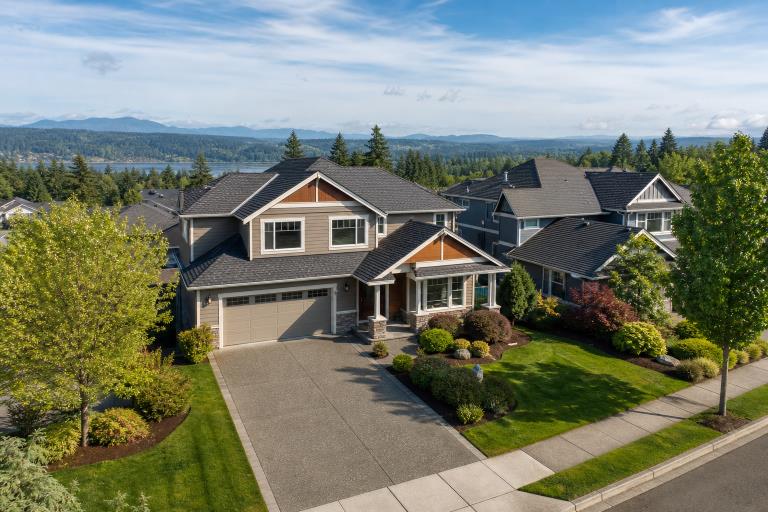
Selling a home quickly in Kent, Washington, can mean different things. Some owners want an offer within days, while others need a dependable closing date for a move, inheritance, divorce, rental transition, or financial deadline. The most useful plan balances speed with the amount you will actually take home. Whether you live near Kent Station, on East Hill or West Hill, or closer to the Kent Valley, the starting point is the same: understand the property, set a realistic target, and compare every path carefully. Homeowners looking to sell house quickly in Kent, WA should focus on price, terms, costs, and the likelihood that the buyer can close.
What A Fast Home Sale Looks Like In Kent
A quick sale is not simply accepting the first offer. It is creating a path from marketing or negotiation through title work, escrow, inspections, financing, and signing with few surprises. A well-kept home near downtown may appeal to different buyers than a larger East Hill property or a home affected by valley traffic, drainage, tenant occupancy, or deferred maintenance. Compare homes with similar location, square footage, lot size, condition, parking, layout, and age. Sold prices show what buyers have completed, while active listings show your current competition, for owners considering a direct sale beyond Kent, Tacoma, WA – Serious Cash Offer represents another local option to evaluate alongside a traditional listing.
How To Set A Price That Attracts Buyers
Start with recent comparable sales in the closest practical area, then adjust for meaningful differences. A remodeled kitchen, a newer roof, a garage, an extra bedroom, a usable yard, or a substantial repair need can change buyer perception. Do not treat an online estimate as a guaranteed sale price. The first week of exposure is valuable; track showings, online interest, buyer feedback, and competing listings. If people view the home but do not schedule tours, or tour it without making offers, the price or presentation may need attention. Waiting too long to correct an unrealistic price can make buyers wonder why the home has remained available.
Calculate Net Proceeds, Not Just Price
For every offer, subtract the mortgage payoff, agreed commissions, escrow and title charges, excise tax, repair credits, buyer concessions, moving costs, and any other deductions. A lower offer with fewer contingencies and a faster close may produce a better practical result than a larger offer that requires extensive repairs or carries a serious financing risk.
Which Repairs Are Worth Doing
When time is short, begin with safety and function. Address active leaks, loose railings, damaged steps, faulty smoke alarms, obvious electrical concerns, and issues involving heating, plumbing, roof condition, or drainage when feasible. These problems can affect buyer confidence and can become larger negotiation points after an inspection. Then improve the first impression. Clean windows and entry areas, brighten dark rooms, trim overgrown plants, remove clutter, and make closets, garages, and driveways easy to inspect. A full kitchen or bathroom remodel is rarely an automatic fast-sale solution. Compare the expected benefit with the project cost, disruption, and delay.
Comparing A Traditional Listing, Cash Sale, And Direct Buyer
- Traditional listing:May reach more buyers and create stronger price competition, but can involve showings, preparation, inspections, appraisal issues, and buyer financing.
- Cash offer:May reduce financing uncertainty and simplify the timeline, but the proposed price may reflect the buyer’s repair costs, resale risk, and desired margin.
- As-is sale:Can reduce preparation work, but known condition issues still influence value and may still need to be disclosed.
Before accepting a direct offer, ask who the actual buyer is, whether the contract can be assigned, whether proof of funds is available, what inspection or cancellation rights exist, and who pays each closing charge. Request the full written terms and compare the estimated net amount, not just the headline number.
Documents To Gather Before Selling
Collect the deed, mortgage payoff information, property tax records, repair receipts, warranties, permits if available, HOA documents, leases, and records related to liens or judgments. If the home is part of an estate, trust, divorce, or probate matter, identify who has authority to sign. Organized records can help prevent avoidable delays once escrow begins.
Washington Disclosure And Tax Rules To Review
Washington has statutory requirements and exceptions involving real-property seller disclosures. Review the Washington seller disclosure rules before completing paperwork, especially if you know of water intrusion, system failures, boundary concerns, environmental issues, or other material property conditions. “As-is” language does not replace careful, honest answers where disclosure duties apply. Also, ask escrow for a written estimate of seller charges. The state’s real estate excise tax information explains that REET may apply to real property transfers, subject to applicable rules and exemptions. A seller with an unusual ownership, tax, estate, or lien issue should seek advice from a qualified professional.
Red Flags That Can Turn A Fast Sale Into A Costly Problem
Be cautious when a buyer pressures you to sign immediately, refuses to identify the buyer entity, will not provide clear information about funds, requests a deed before payment arrangements are understood, or discourages title and escrow review. Other warning signs include vague service fees, unlimited cancellation rights, and last-minute deductions that were not stated in the original offer.
A Practical 30-Day Kent Home-Selling Plan
Days 1 Through 7: Build The Plan
- Choose a preferred closing date and identify your main priority: speed or maximum proceeds.
- Review payoff information, likely expenses, comparable sales, and competing homes.
- Complete essential repairs, declutter, clean, and assemble key records.
Days 8 Through 14: Launch And Compare
- Use accurate details and clear photos if listing publicly.
- Make showings manageable and request all direct offers in writing.
- Compare contingencies, fees, closing dates, and estimated net proceeds.
Days 15 Through 30: Protect The Closing
- Respond promptly to escrow and title requests.
- Review inspection responses, amendments, and the settlement statement.
- Plan the move before closing rather than after documents are ready to sign.
Common Questions From Kent Home Sellers
Can A Kent Home Sell Within 30 Days?
It can, but no timeline is guaranteed. Price, condition, demand, financing, inspections, title work, and seller responsiveness all affect the result.
Is A Cash Offer Always Better?
No. Cash can offer simplicity, but a financed offer may be stronger after you compare price, contingencies, costs, and closing certainty.
What If The Home Has Tenants Or Multiple Owners?
Review lease terms, notice obligations, deposits, ownership authority, and any court or trustee requirements before committing to a sale timeline.
Final Thoughts
A fast Kent sale should support your financial and personal goals, not force a rushed decision. Compare realistic selling options, consider the home’s condition and your preferred timeline, verify every cost, and organize the necessary paperwork early. Review each offer based on the expected net proceeds, closing costs, contingencies, buyer qualifications, and the proposed closing date, rather than focusing solely on the headline price. Taking time to understand the contract terms can help you avoid unexpected expenses or delays. Whether you choose a traditional listing, a for-sale-by-owner approach, or a direct sale, a clear understanding of your priorities can make it easier to select an option that fits your circumstances. The goal is to move efficiently while still making an informed decision about the property and transaction.