If you live in Longmont, your roof has to handle a demanding mix of weather throughout the year. The city sits at nearly 5,000 feet above sea level and reports more than 300 days of sunshine annually, meaning roofing materials receive plenty of high-elevation sun exposure. Longmont also averages roughly 46 inches of snowfall per year, adding winter moisture and weight to the equation.
Hail is another concern. National Weather Service records show that severe thunderstorms have produced hail as large as 2 inches in diameter in and near Longmont. Add Colorado’s significant winter temperature swings and repeated freeze-thaw cycles, and seemingly minor roof damage can become more serious over time.
That’s why a missing shingle, small leak, or patch of hail damage deserves attention instead of a “maybe next season” approach. Knowing when a straightforward repair is enough—and when deterioration points to a larger roofing problem—can help protect your home and prevent a smaller issue from becoming a much more expensive one.
Small Problems Usually Leave Clues
A roof rarely fails without warning. In most cases, you’ll spot smaller signs first, and catching them early can save you from a painful bill later. Missing shingles, cracked flashing, loose gutter sections, and dark water spots on ceilings often show up before a major leak ever crashes the party.
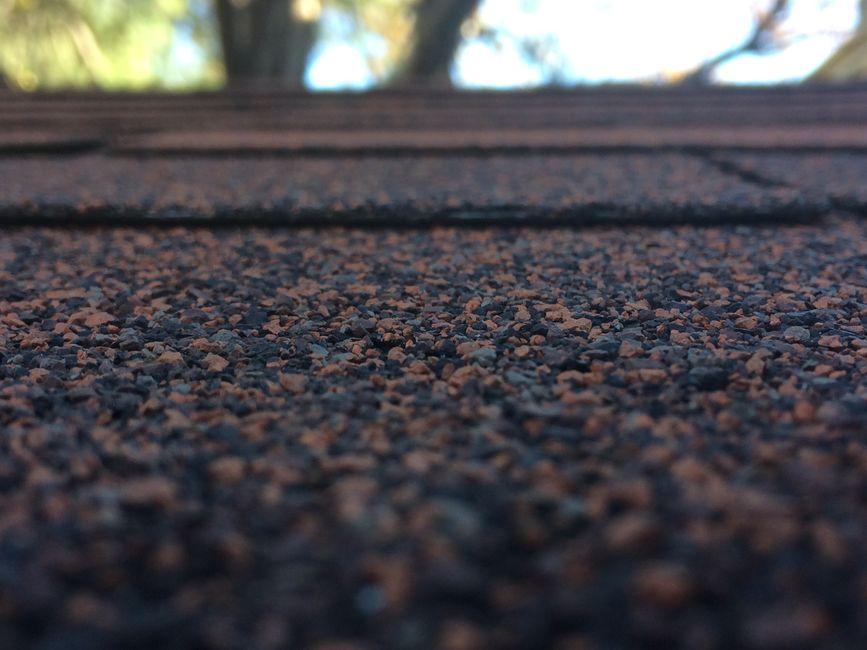
You should also look for granules collecting in gutters if you have asphalt shingles. Those granules help protect the roof from UV damage, so losing a lot of them means the material is aging fast. Outside, moss or algae can point to trapped moisture. Inside, a musty attic smell can hint at poor ventilation or hidden water intrusion.
One issue alone may not spell disaster. A pattern of issues, though, usually means your roof wants attention now, not next season.
Weather Damage Is Often More Serious Than It Looks
Storm damage can be sneaky. After hail or high winds, your roof may still look intact from the driveway. Up close, the story can be different. Hail can bruise shingles, loosen protective granules, and shorten the roof’s lifespan even when there are no dramatic holes.
Wind creates a different kind of trouble. It can lift shingle edges, weaken seals, and expose underlayment to moisture. Snow and ice add weight and increase the chance of ice dams, especially along roof edges where melting and refreezing happen over and over.
In a place like Longmont, a roof can take several rounds of punishment in a single year. That’s one reason many homeowners turn to a Longmont roofing comapny when they need a real assessment after severe weather, not just a quick glance from the yard. Surface appearances can be wildly optimistic.
Repairs Make Sense When the Damage Is Limited
Not every roofing issue means replacement. If damage is isolated to one section and the rest of the roof is in good condition, a repair may be the practical move. A few missing shingles after wind, minor flashing damage around a vent, or a small localized leak can often be handled without redoing the whole system.
Age matters here. If your roof is fairly new and the materials are still sound, targeted repairs usually offer solid value. Matching shingles can be tricky with older roofs, but on newer ones the repair often blends in well enough that nobody notices unless they’re inspecting like a detective.
The key is confirming that the problem is truly isolated. A leak around one vent boot may be simple. A leak that has already spread into underlayment or roof decking becomes a much bigger job very quickly.
Replacement Becomes Smarter at a Certain Point
There’s a point where repeated repairs stop being economical and start acting like a subscription plan you never wanted. If your roof is near the end of its expected lifespan, patching one issue after another can cost more over time than replacing it.
For asphalt shingles, lifespan often ranges from 15 to 30 years depending on material quality, installation, ventilation, and local weather. If large sections are curling, buckling, balding, or showing widespread hail impact, replacement may give you better protection and fewer surprise costs.
You should also think about hidden structural concerns. If moisture has reached the decking, insulation, or attic framing, surface repairs won’t fix the full problem. In those cases, replacement is less about appearance and more about stopping ongoing damage to the home itself. That’s a much better plot twist than discovering rot during a snowstorm.
Your Attic Can Reveal What the Roof Is Hiding
Homeowners often focus on shingles and gutters, but the attic tells an equally important story. If you want a more complete picture of roof health, spend a few minutes looking up there during daylight. Watch for water stains, damp insulation, mold spots, or visible light shining through boards.
Ventilation issues also show up in the attic first. Excess heat in summer and trapped moisture in winter can shorten roof life from the inside out. You might notice warped wood, rust on metal fasteners, or frost buildup during colder months. None of that is good news.
A healthy roof system includes more than the visible covering. It depends on decking, ventilation, underlayment, flashing, and drainage all working together. If one part fails, the rest can start struggling too. Think of it less as one surface and more as a team project with very high stakes.
Insurance, Documentation, and Timing Matter More Than People Think
When storm damage is involved, timing can affect your options. Insurance companies usually expect prompt reporting, photos, and a clear record of what happened. Waiting too long can make it harder to connect the damage to a specific weather event.
You should take pictures of obvious changes after a storm, including fallen branches, dented gutters, torn shingles, and any interior leaks. Keep notes on when the issue appeared and whether it changed after rain or snow. That kind of documentation helps professionals and insurers sort out what’s new, what’s old, and what may be covered.
Scheduling an inspection early also helps you avoid the seasonal rush. Roofing companies tend to get slammed after major storms, and delays can leave your home exposed longer than necessary. Fast action doesn’t mean panic. It means making decisions while your choices are still better.
Choosing the Next Step Without Guesswork
The best roofing decisions come from solid information, not hopeful assumptions. If you see isolated damage on a newer roof, repair may be enough. If you’re dealing with repeated leaks, broad storm damage, sagging, or an aging roof with visible wear across multiple areas, replacement deserves serious consideration.
Ask for a detailed inspection with clear photos and explanations. You want to understand what is cosmetic, what is functional, and what could get worse within the next year. That puts you in a much better position to compare repair costs against the long-term value of replacement.
A roof doesn’t need to be dramatic to be in trouble. Often, it’s the quiet signs that matter most: a stain that keeps growing, shingles that don’t sit flat, or an attic that feels damp when it shouldn’t. Pay attention early, and you’ll have more control over the outcome and the budget.