Key Takeaways
- Introducing advanced HVAC technologies significantly reduces energy use and utility costs.
- Routine maintenance and system upgrades are foundational for sustained efficiency.
- Integrating energy-saving components and smart controls keeps systems adaptable and environmentally responsible.
Heating, ventilation, and air conditioning (HVAC) systems play a critical role in maintaining comfortable indoor conditions in commercial buildings. Despite their importance, they are also among the leading contributors to overall energy use in these environments. Leveraging new advances in HVAC technologies and efficient operational approaches can help reduce energy consumption while improving occupant comfort. For businesses seeking expert upgrades and guidance, relying on an experienced commercial HVAC contractor is a strategic way to ensure effective implementation.
Recognizing which innovative solutions to adopt is key for facility managers and business owners who want to minimize costs and advance sustainability goals. Leading industry studies have identified a spectrum of actionable strategies, from next-generation equipment to automated controls. These steps not only lower operational expenses but also deliver measurable benefits for building occupants.
Adopting Advanced HVAC Technologies
Embracing innovative technologies, such as variable-frequency drives (VFDs), enables motors to match real-time demand, resulting in substantial energy savings. VFDs can reduce energy consumption in fans and pumps by 30 to 50 percent, while compressors may achieve a 35 percent reduction. Other advancements include high-efficiency chillers, advanced heat pumps, and energy recovery ventilators (ERVs), which optimize energy performance for commercial facilities. Advanced heat pumps can provide simultaneous heating and cooling, enhancing operational efficiency. Effective integration of these technologies with existing systems requires careful planning and collaboration with HVAC professionals.
Regional climate conditions also influence how commercial equipment performs throughout the year. Facilities in humid coastal areas like Savannah, GA face distinct challenges when balancing temperature regulation with moisture management. Customizing system settings to account for local weather patterns supports stable operation, reduces unnecessary component wear, and helps maintain a comfortable indoor environment for building occupants.
Balancing overall airflow with proper temperature distribution is essential when upgrading commercial facilities. Property managers who wish to evaluate different equipment options and maintenance strategies can learn here about effective climate control solutions. Taking time to assess system design helps ensure long-term energy savings while maintaining consistent indoor comfort throughout operating hours.
Regular Maintenance and System Upgrades
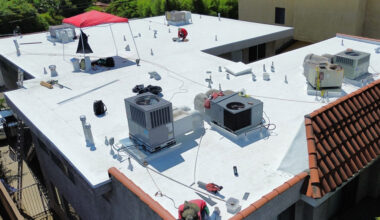
No matter how advanced an HVAC system is, it still requires regular maintenance to operate at peak efficiency. Tasks such as filter replacement, system cleaning, and control calibration can deliver immediate improvements in performance and air quality. Even better results are achieved when outdated components, such as old rooftop units, are replaced with state-of-the-art models. According to the U.S. Department of Energy, updating commercial rooftop units alone has resulted in annual energy cost savings of $5.6 million nationwide.
Proactive maintenance practices go beyond basics and should also include scheduled professional inspections. Regular tune-ups from certified technicians help identify inefficiencies before they become costly repairs. Seasonal HVAC audits, thermographic inspections to detect misaligned parts, and detailed system assessments all support optimal functioning and prevent downtime. Frequent system monitoring and diagnostics increase long-term savings and extend the service life of valuable assets.
Regional climate conditions also influence how commercial equipment should be managed year-round. In coastal or humid environments, maintaining steady cooling performance requires working with local specialists who understand regional system demands. Facility teams often coordinate with regional teams or visit our location to review maintenance strategies, address regional wear and tear, and keep primary cooling units functioning efficiently during peak weather months.
Maintaining cooling efficiency is just as critical for regional facilities that experience prolonged seasonal heat. When coastal humidity and high temperatures place continuous demands on cooling equipment, scheduling timely air conditioning repair in Foley helps preserve system balance and prevents minor operational issues from causing broader mechanical failure over time.
Implementing Energy-Efficient Components
Replacing and upgrading small HVAC components can significantly lower energy consumption. Modern filters, ventilation systems, and air cleaning devices enhance air quality and operational efficiency. Studies indicate that retrofitting office HVAC systems with advanced filters and controls can reduce energy use by about 20 percent while lowering maintenance costs and extending equipment lifespan. Incorporating energy recovery wheels and economizers optimizes fresh air intake and energy recapture, balancing air quality with efficiency. Pairing these upgrades with energy-saving programs and rate options from peco can help maximize long-term cost savings. Selecting energy-efficient components can also lead to sustainability certifications such as LEED or WELL, increasing a building’s market value and attracting eco-conscious tenants.
Utilizing Smart Controls and Automation
Integrating automation and smart controls is a best practice for optimizing HVAC energy use. Advanced sensors and programmable thermostats respond to occupancy patterns, changes in room use, and shifting weather conditions. Automated systems can schedule heating and cooling deliveries, reducing output in unused areas or during off-hours, resulting in substantial energy savings. For large commercial operations, incorporating building management systems (BMS) further streamlines these efficiencies.
The implementation of Internet of Things (IoT) devices, such as wireless sensors and energy analyzers, elevates system intelligence by enabling real-time adjustments and predictive analytics. These tools contribute to overall facility integration by providing actionable insights into occupancy trends, weather patterns, and system performance. Automated fault detection helps identify potential issues before they escalate, ensuring continuous comfort and sustained energy performance.
Leveraging Thermal Energy Storage
Thermal energy storage systems use inexpensive off-peak power hours to store energy in forms such as ice or chilled water, then release it during periods of high demand. This approach reduces both peak demand charges and total energy costs. One high-profile example is a Manhattan skyscraper that uses an ice battery to cool the building during the day, resulting in savings of up to 40 percent on cooling costs. Such systems also offer greater resilience during grid disruptions and can be key elements of climate-adaptive infrastructure.
The application of thermal energy storage is especially valuable in densely populated cities, where cooling demand is highest during summer afternoons. Utilities may even offer incentives or rebates for buildings that reduce grid strain through energy storage, making the business case for such technologies even stronger. Advanced design also enables these systems to integrate seamlessly with renewable energy sources such as solar panels, amplifying their positive environmental impact while further reducing operational expenses.
Enhancing Indoor Air Quality (IAQ)
Improving indoor air quality (IAQ) during energy retrofits enhances system efficiency and occupant well-being. Technologies like MERV-13 filters and UV-C lighting improve contaminant removal and reduce HVAC energy use by up to 20%. Effective IAQ management aids regulatory compliance and fosters health-promoting environments. Coupled with maintenance and data monitoring, advanced IAQ strategies mitigate health risks, reduce absenteeism, and increase productivity, positioning commercial buildings as leaders in health and energy efficiency.
Conclusion
Taking decisive steps to implement innovative energy-saving strategies in commercial HVAC systems is essential for reducing operational costs and meeting sustainability goals. Integrating advanced technologies, maintaining equipment, and automating operations enable commercial property owners to achieve significant energy savings while enhancing indoor environments for occupants.
By investing wisely and seeking expert guidance, businesses can create actionable roadmaps to boost efficiency and comfort. Continuous evaluation of new technologies and adherence to best practices position companies as leaders in energy stewardship, promoting healthier workplaces. Ultimately, modernizing HVAC systems is not just an environmentally beneficial investment but also a strategic move that yields substantial financial and organizational advantages over time.