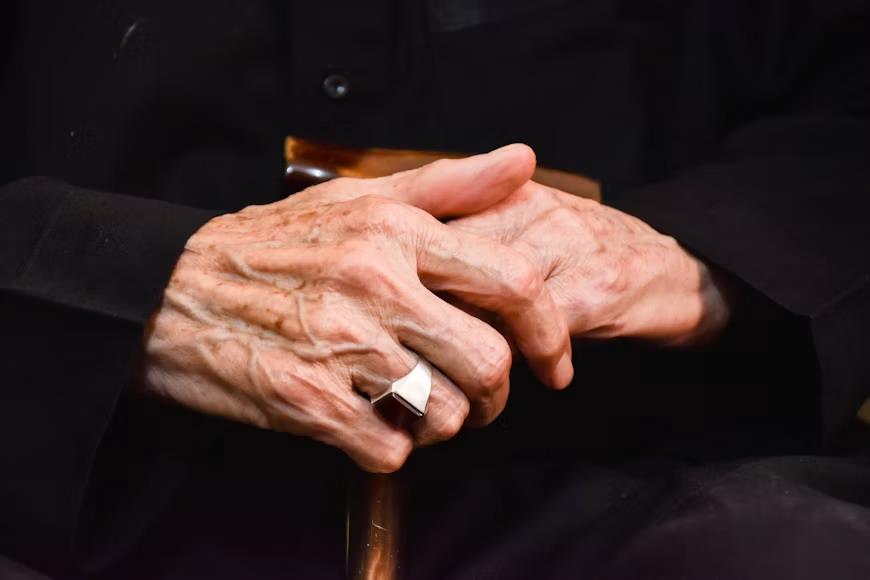
Do your joints ache the second you get out of bed?
You’re not alone. There are over 10 million people in the UK with arthritis. That’s 1 in 6 people living with pain, stiffness and fatigue each day.
Here’s the good news:
Sometimes you don’t need another pill or yet another trip to the GP to start feeling better. Making small adjustments around the home can significantly improve how your joints feel. Here’s how…
- Cheap (or even free)
- Quick to set up
…and they can start working straight away.
Here is how to do it…
What’s Inside This Guide:
- Why Your Home Environment Matters
- Choosing The Right Chair
- Keeping Your Home Warm
- Fall-Proofing Your Floors
- Putting Everything Within Reach
- Small Tools That Make A Big Difference
Why Your Home Environment Matters.
Arthritis pain occurs not just at the doctors office. It occurs in your kitchen, bathroom and living room.
Every time you squat, twist, stretch or stand up tall… your joints experience it. New research reveals two-thirds live with persistent pain among people with arthritis in the UK. That means millions of people living in pain just doing everyday activities.
Think about it:
If you have to reach the top shelf at home, slump into an easy chair or walk on chilly floors, you’re putting unnecessary stress on already achy joints. Eventually, that stress accumulates.
Change the space… and you change the pain.
Start With The Chair You Sit In Most
This tip is often forgotten. Many seniors are sedentary for hours each day. Choose your chair wisely.
Low sofas look nice and inviting. However, when you want to stand up, they wreak havoc on your knees and hips. Rising from such sofas is part of the reason why fireside chairs for elderly people have become so popular. They are taller off the ground, have a firmer seating surface and feature sturdy armrests to help you propel yourself upwards. Choose wisely and you’ll find comfortable seating for seniors that cradles your back, stabilises your hips and eases you into standing.
Here’s what to look for:
- Seat height: Feet flat on the floor, knees equal to or slightly below hips.
- Firm cushioning: Soft seats let you sink, which makes getting up much harder.
- Strong armrests: They provide leverage so your arms help support some of your weight instead of your knees.
- High back support: A wing back allows you to comfortably relax while supporting your neck and shoulders.
Pretty simple, right?
Tip: Situate your chair close to a warmer area of the room (NOT DIRECTLY next to a heat source, though). This leads nicely onto the next tip…
Keep Your Home Warm (Your Joints Will Thank You)
Ever notice your joints ache more on cold, damp days?
It’s not all in your head. In one European study, 67.2% of participants with osteoarthritis reported that weather impacted their pain levels. Another study found pain rose as temperatures dropped in patients with knee osteoarthritis.
Researchers aren’t entirely sure why yet. But one explanation could be that synovial fluid, which lubricates your joints, becomes thicker in cold temperatures.
Whatever the cause, the solution is simple. Maintain a comfortable ambient temperature in your living spaces. Use draught excluders around doors and windows. Put a thick rug down on cold floors and dress warmly in the morning.
Tip: Taking a hot shower or bath when you first wake up can help loosen stiff joints and allow your day to go much smoother.
Fall-Proof Your Floors.
Here’s the scary part…
Up to one in three people aged over 65 suffer a fall every year. Falls are worse if you have arthritis as stiff joints and a weaker grip make it harder to break your fall.
The good news? Most falls you experience inside your home are preventable with a few simple solutions:
- Remove loose rugs (or tape them down)
- Clear cables and clutter from walkways
- Add grab rails in the bathroom and by the stairs
- Use non-slip mats in the shower and bath
It really is that simple.
Tour your home room-by-room with a critical eye. If you could trip over it… pick it up.
Put Everything Within Easy Reach
Reaching, bending and stretching rank right up there as the worst exercises for achy joints. Why make your body do these moves all day?
Store the items you access most between waist and shoulder height. That means dishes, cups and pots and pans in the kitchen, your weekly clothes and your daily use toiletries.
Keep heavy things on lower shelves. Do not store them up high. If you need to reach something up high, use a long-handled “reacher” gadget, not a chair.
Make this one adjustment and watch your shoulders, back and wrists thank you every day.
Light Up Your Space
Good lighting does more than help you see. It helps you move safely.
Dark hallways and dim stairs cause your eyes to misjudge a step. And one unexpected jolt from mistaking a step can make pain radiate through your knees and hips.
Put brighter bulbs in your hallways and plug-in night lights between bedroom and bathroom. Motion sensor lights are ideal… You won’t have to hunt for a switch with sore fingers.
Small Tools That Make A Big Difference
Sometimes the greatest boon comes in the smallest device. It’s inexpensive. It’s readily available. And it fits hands that can no longer hold tightly:
- Jar openers and tap turners
- Thick-handled cutlery and pens
- Lever door handles instead of round knobs
- Raised toilet seats
Choose some doubles and triples that work for you daily and begin with those. You’ll amazed at how simple tasks become easier.
Bringing It All Together
Treating arthritis pain isn’t always medication. Your environment has a big impact on your joint health daily.
To quickly recap:
- Choose a supportive chair with the right height and firm armrests
- Keep your home warm and draught-free
- Fall-proof your floors
- Store everyday items within easy reach
- Brighten up dark areas and use simple gadgets
Start with one room. Make a few changes. Then see how your joints respond.
Small steps… big relief.
Frequently Asked Questions
What are the best fireside chairs for elderly people with arthritis?
Fireside chairs designed for seniors with arthritis should include a raised seat as well as firm cushions and sturdy armrests. Additional neck and shoulder support come from a tall backrest. Remember to verify the height of the seat correlates with the length of your legs prior to purchasing.
Does cold weather really make arthritis worse?
Lots of arthritis sufferers complain their pain flares up when the weather turns cold or damp. The evidence for this is inconsistent, but heating your home and keeping your joints active can relieve stiffness.