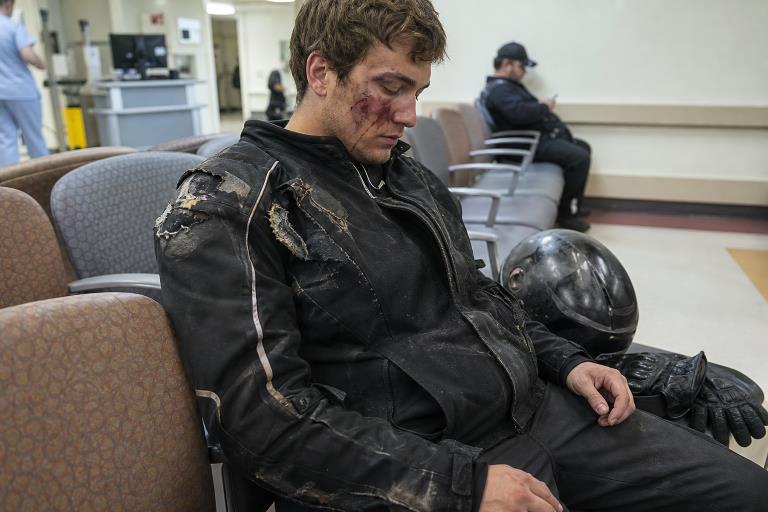
A motorcycle crash can change the course of a day in seconds, whether it happens in Center City traffic, on Roosevelt Boulevard, or while merging onto I-95. Beyond damage to the bike, riders may face painful injuries, treatment decisions, missed work, and difficult insurance questions. Speaking with a Philadelphia Personal Injury Lawyer | Quinn Law Group may help an injured rider better understand the records, deadlines, and decisions that can affect a Pennsylvania claim.
The severity and progression of an injury often shape the value and direction of a motorcycle accident claim. Medical records, proof of lost income, evidence from the crash scene, and the impact on ordinary life can all matter. Taking careful steps after a collision can help protect both a rider’s health and the information needed to evaluate a claim.
Common Motorcycle Injuries After a Philadelphia Crash
Because riders have less physical protection than people inside passenger vehicles, a collision can produce injuries ranging from road rash and fractures to damage involving the head, spine, internal organs, or joints. A rider may also suffer soft-tissue injuries that limit lifting, walking, reaching, sleeping, or returning to work, even when an X-ray does not show a broken bone.
Why the Type of Injury Matters
An injury claim should reflect more than the diagnosis listed on the first medical bill. A fractured wrist may affect a mechanic’s ability to use tools. A knee injury may make climbing the stairs at SEPTA stations difficult. A shoulder injury can interfere with driving, household tasks, or caring for children. The more clearly medical documentation and personal records show these limitations, the easier it may be to explain the accident’s real consequences.
Why Medical Care Matters to Health and the Claim
Adrenaline and shock can make it difficult to recognize pain at the scene. Some symptoms, particularly after a blow or jolt to the head, can develop later. Symptoms of mild traumatic brain injury and concussion can affect how a person feels, thinks, acts, or sleeps, and may not appear for hours or days.
Seek emergency care for severe or worsening symptoms. Worsening headache, repeated vomiting, confusion, weakness, seizures, slurred speech, or trouble waking up require immediate medical attention. For other symptoms, a prompt evaluation can still be important. Tell the provider when the crash occurred, what parts of the body were affected, and whether symptoms have changed since the collision.
Following through with recommended appointments, therapy, medication, and specialist visits can be important for recovery. If a treatment plan is not working, the rider should discuss that with the provider rather than simply stopping care. Gaps in treatment may create questions about the cause, seriousness, or duration of an injury.
Evidence That Can Support a Motorcycle Injury Claim
Philadelphia crash scenes can change quickly as traffic moves, vehicles are towed, and weather conditions shift. When it is safe to do so, preserve details early. Photographs and videos may capture vehicle positions, debris, skid marks, traffic signals, road surfaces, construction conditions, visible injuries, and damage to the motorcycle.
Records Worth Saving
- Police report numbers, witness names, and contact information.
- Photos of the helmet, jacket, gloves, boots, and other damaged protective gear.
- Medical records, prescriptions, bills, therapy notes, and appointment calendars.
- Repair estimates, towing invoices, and receipts for replacement transportation.
- Pay stubs, work schedules, and employer documentation of missed time or reduced duties.
- A dated journal describing pain levels, sleep problems, mobility limits, and missed activities.
Do not repair, discard, sell, or alter the motorcycle and protective equipment before they are thoroughly documented. Their condition may help show the force and nature of the collision. Keep original image files whenever possible, rather than relying only on edited or shared versions.
How Injuries Can Affect Financial and Personal Losses
The effect of a motorcycle injury can extend well beyond an emergency room bill. Depending on the circumstances, documented losses may include follow-up care, rehabilitation, medication, transportation to appointments, lost earnings, reduced ability to work, and property damage. Long-term limitations can be especially important when a rider needs future treatment or cannot return to the same job duties.
A simple weekly record can help connect these losses to the collision. Note each appointment, out-of-pocket expense, missed shift, and activity that became harder. For example, documenting an inability to carry groceries, sit through a full workday, or use stairs without pain can provide useful context that a stack of bills alone may not show.
Insurance and Fault Questions in Pennsylvania
Report the crash to the appropriate insurer, provide truthful basic facts, and keep a written log of every call, email, letter, and claim number. Avoid guessing about speed, distance, injuries, or fault. It is reasonable to say that treatment is ongoing if the medical outlook is not yet clear.
Fault can matter. Under Pennsylvania’s comparative negligence law, an injured person’s recovery may be reduced by the percentage of responsibility assigned to that person, subject to the rule stated in the statute. Insurance coverage, policy terms, and the facts of the crash can also affect available options.
An early settlement offer may not account for future treatment, time away from work, or continuing symptoms. Before accepting money or signing a release, understand exactly what claims and expenses the agreement resolves.
Mistakes That Can Create Claim Problems
- Posting crash details, photos, or physical activity updates on social media.
- Giving a recorded statement without first reviewing the known facts.
- Failing to preserve the motorcycle, helmet, clothing, or digital evidence.
- Missing appointments without documenting a valid reason.
- Accepting a settlement while significant treatment or testing remains unresolved.
- Ignoring correspondence about insurance, medical bills, or legal deadlines.
When Additional Guidance May Help
Extra guidance may be useful when injuries are serious, fault is disputed, several vehicles are involved, a commercial driver may be responsible, or an insurer questions the connection between the crash and the medical condition. Bring a clear timeline, photographs, reports, insurance materials, medical records, bills, and wage information to any consultation.
A motorcycle accident claim is not only about the collision itself. It is also about the medical path that follows, the evidence that remains, and the practical ways in which an injury changes a rider’s life. Prioritizing treatment, preserving records, and communicating carefully can help a Philadelphia rider make informed choices during recovery.