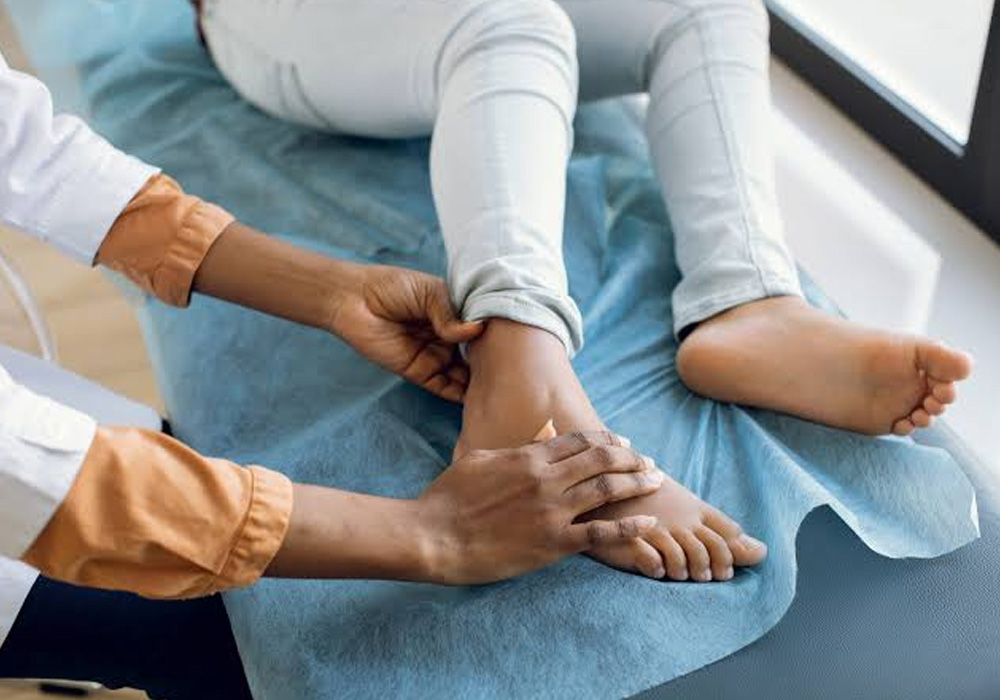
Peripheral neuropathy affects millions globally, manifesting as nerve pain, tingling sensations, and numbness that disrupt daily life. While medication remains a common solution, many people seek natural remedies to manage symptoms and promote long-term nerve health. For those exploring holistic and non-pharmacological care, Peripheral Neuropathy Treatment by Chronic Care of Richmond provides evidence-based, patient-centered protocols for individuals in central Virginia and beyond. As a recognized authority specializing in non-invasive therapies for nerve-related conditions, Chronic Care Of Richmond focuses on innovative approaches that minimize side effects and foster sustainable well-being.
Engaging in Regular Physical Activity
Incorporating physical activity into daily routines provides tangible benefits for those living with peripheral neuropathy. Moderate exercise, such as walking, cycling, or aquatic therapies, encourages improved blood flow to extremities and builds muscle strength, key factors in reducing pain and slowing the progression of nerve damage. Maintaining an active lifestyle also supports better blood sugar management, particularly important for individuals whose neuropathy is linked with diabetes. Gentle activities, such as yoga or tai chi, offer additional benefits of balance, flexibility, and stress reduction, helping manage the physical and emotional impacts of chronic pain.
In addition to routine exercise, incorporating stretching and balance exercises enhances nerve flexibility and helps reduce the incidence of falls, a common concern for those experiencing numbness or instability. Creating a personalized physical activity routine, based on one’s specific mobility level and comfort, may require collaboration with a physical therapist who can suggest adaptive movements or low-impact alternatives.
Social physical activities, like joining walking groups or exercise classes, can encourage ongoing participation and build social connections. This helps address the isolation and anxiety that often accompany chronic pain, highlighting the multifaceted benefits of regular movement beyond just symptom control.
Adopting a Balanced Diet
A nutrient-rich, balanced diet can significantly influence nerve health. Emphasizing whole grains, fresh vegetables, and lean proteins helps stabilize blood glucose levels and support nerve repair. Increasing dietary fiber slows sugar absorption and prevents spikes that may worsen neuropathic symptoms. At the same time, foods high in vitamins B12 and D, along with omega-3 fatty acids, actively nourish nerves. Patients should avoid refined carbohydrates and reduce the intake of processed foods. These changes help to preserve nerve function and optimize overall health for those with peripheral neuropathy.
Consultation with a registered dietitian can further personalize nutritional plans and identify nutrient deficiencies or intolerances that might exacerbate symptoms. Monitoring fluid intake is also beneficial, as staying hydrated supports circulation and can ease discomfort, especially during increased physical activity.
Taking care to identify and eliminate food triggers that might lead to inflammation can have a notable positive impact over time. Incorporating anti-inflammatory foods such as leafy greens, berries, and healthy oils, as well as avoiding artificial sweeteners and trans fats, complements traditional neuropathy treatments and fosters whole-body health.
Exploring Alternative Therapies
Complementary treatments provide additional avenues for relief when used alongside conventional care. Acupuncture, a therapy rooted in traditional Chinese medicine, has shown efficacy in alleviating nerve pain and improving the quality of life for neuropathy patients. In recent research, techniques like interosseous membrane stimulation have resulted in significant pain reduction for those with persistent neuropathic discomfort. In addition to physical therapies, incorporating relaxation strategies such as mindfulness, breathing exercises, and meditation can help regulate pain perception, reduce stress, and address the emotional burden of chronic nerve pain.
Additionally, massage therapy has been used by many patients to promote circulation and relieve muscle tension that can exacerbate nerve pain. Art and music therapies serve as creative outlets for emotional distress, fostering resilience and a greater sense of control for individuals managing chronic symptoms.
Exploring local support groups, either in-person or virtually, provides opportunities to share experiences and coping strategies, further enhancing the quality of life for those affected by peripheral neuropathy.
Innovative Non-Pharmacological Treatments
Advances in medical technology are delivering new hope for those who do not respond to traditional drug-based therapies. One emerging modality, scrambler therapy, uses controlled electrical stimulation to disrupt pain signals and provide relief for chronic nerve pain sufferers. This noninvasive treatment is associated with substantial and lasting pain alleviation in a majority of participants. Devices used in these therapies are often administered under professional supervision and can complement other lifestyle changes to create a comprehensive, patient-tailored care plan. Staying informed about developments in these non-pharmacological approaches can help patients advocate for new options with their healthcare team.
Other promising techniques under study include laser therapy, pulsed electromagnetic field therapy, and biofeedback. While ongoing research is needed to confirm the long-term benefits of these interventions, initial studies suggest they may offer symptomatic relief with minimal side effects.
Combining multiple non-drug therapies within an integrative care framework maximizes potential benefit and addresses the distinct physical and emotional challenges posed by neuropathy. Regular monitoring of progress ensures personalized adjustments and optimal outcomes.
For further information about healthy living and pain relief strategies, this comprehensive guide by Healthline outlines lifestyle changes, alternative medicine, and holistic options for those affected by nerve damage.
Maintaining a Healthy Lifestyle
Strategies that support overall well-being also benefit nerve health. Quitting smoking is especially important; the toxins in cigarettes can damage blood vessels, limiting nutrient delivery to the nerves. Limiting alcohol intake and keeping a healthy weight help create an environment where nerves can recover and function optimally. Effective stress management through sleep hygiene, regular physical activity, and supportive social connections can additionally reduce the intensity of neuropathic pain episodes. Making healthy choices every day contributes to a greater sense of control and a better quality of life.
Creating a restful sleep environment, such as maintaining a consistent sleep schedule, practicing relaxation techniques before bed, and limiting screen time, supports nerve regeneration and overall health. Furthermore, nurturing social connections and seeking emotional support from friends, family, or counseling services play a vital role in managing the psychological toll of chronic neuropathic pain.
Although progress may be gradual, celebrating small victories and maintaining a positive outlook can sustain motivation and highlight meaningful improvements on the journey toward better nerve health.
Consulting Healthcare Professionals
It is crucial to coordinate with knowledgeable healthcare providers before adding new treatments or making significant lifestyle changes. Specialists can help personalize treatments, monitor progress, and identify underlying causes of neuropathy, such as diabetes or vitamin deficiencies. Professional guidance ensures that therapies are safe, evidence-based, and tailored to each patient’s medical history and current needs. Early intervention and ongoing monitoring can dramatically impact outcomes in peripheral neuropathy management.
Engaging in an open dialogue with healthcare professionals allows patients to set realistic goals and address any concerns promptly, thereby enhancing treatment adherence and satisfaction. Keeping a symptom journal to track changes or reactions to therapies can provide valuable insights during follow-up appointments.
Conclusion
While peripheral neuropathy presents ongoing challenges, there is growing evidence that natural and innovative approaches can meaningfully improve comfort and quality of life. By integrating physical activity, balanced nutrition, alternative therapies, and the latest non-drug treatments, individuals can take proactive steps toward nerve health. Staying informed and partnering with expert care providers empowers patients to craft individualized plans that minimize symptoms and maximize well-being.
Ultimately, holistic management of neuropathy is not only about alleviating physical pain but also about achieving a higher quality of life. Embracing a comprehensive approach encourages both resilience and hope, inspiring those affected to continue seeking personalized solutions and ongoing improvement.