In today’s world, energy efficiency isn’t just a trend—it’s a smart way to save money, reduce your carbon footprint, and make your home more comfortable year-round. Whether you’re looking to cut your utility bills or take steps toward a greener lifestyle, small changes can lead to big results. Here are the top tips to help you boost your home’s energy efficiency and make every watt count.
1. Upgrade Your Insulation
Proper insulation is the foundation of an energy-efficient home. Heat can escape through poorly insulated walls, attics, and basements, causing your heating system to work overtime. Adding insulation or upgrading existing insulation can drastically reduce energy loss. Pay particular attention to attics, as a well-insulated attic can keep your home warmer in winter and cooler in summer.
2. Seal Drafts and Air Leaks
Even small gaps around doors, windows, and electrical outlets can result in significant energy loss. Sealing these leaks with caulk or weatherstripping is an inexpensive way to improve efficiency. Draft-proofing your home keeps conditioned air inside and reduces the workload on your HVAC system, ultimately lowering energy bills.
3. Consider Window Replacement
Windows are a major source of heat loss, and upgrading them can have a big impact. Energy-efficient windows with double or triple panes, low-emissivity coatings, and proper sealing can drastically reduce energy waste. Homeowners in areas like Salt Lake City often see significant savings after replacing old windows, especially in extreme temperatures. Modern windows also improve comfort by minimizing drafts and reducing noise.
4. Embrace Smart Thermostats
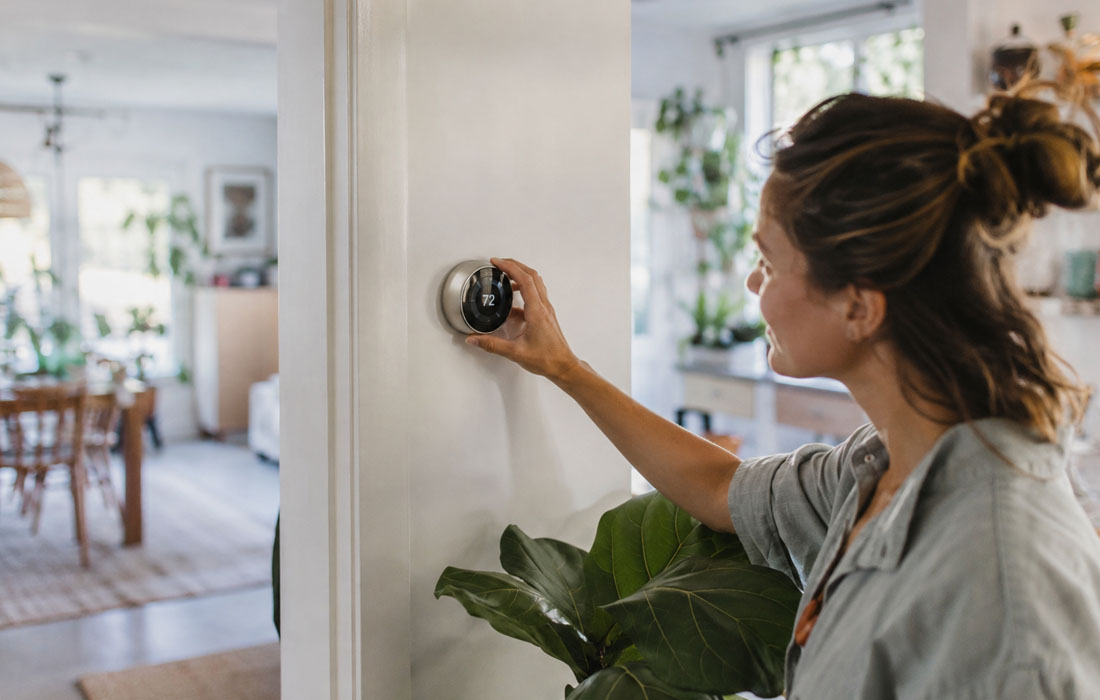
Smart thermostats are a game-changer for home energy efficiency. They allow you to program heating and cooling schedules, adjust temperatures remotely, and even learn your habits to optimize energy use automatically. By preventing unnecessary heating or cooling, smart thermostats can reduce your energy bills without compromising comfort.
5. Upgrade to Energy-Efficient Appliances
Old appliances can be energy hogs. When it’s time to replace your refrigerator, washer, dryer, or water heater, look for ENERGY STAR-rated models. These appliances use less energy while maintaining the same level of performance. Even small energy savings across multiple appliances can add up to a substantial reduction in your monthly utility bills.
6. Switch to LED Lighting
Lighting accounts for a surprising portion of household energy consumption. Switching to LED bulbs can save up to 75% of the energy used by traditional incandescent bulbs. LEDs last longer, use less power, and come in a variety of colors and brightness levels to suit your home’s style.
7. Harness Natural Light
Making the most of natural light is a simple, cost-free way to reduce energy use. Keep windows clean, use light-colored curtains or blinds that reflect sunlight, and arrange furniture to maximize daylight exposure. Not only will this cut your need for artificial lighting, but it can also improve your mood and overall home ambiance.
8. Maintain Your HVAC System
Your heating, ventilation, and air conditioning system works best when it’s well-maintained. Regularly replace filters, clean ducts, and schedule professional inspections. An efficient HVAC system uses less energy and keeps your home comfortable all year long.
Heating systems also require routine maintenance to prevent sudden breakdowns and maintain optimal performance during colder months. Keeping heating equipment serviced ensures even temperature distribution and helps lower overall energy usage. Homeowners seeking local support for heating equipment tune-ups or adjustments can visit our location to speak with qualified technicians about efficient heating solutions.
Professional system evaluation helps ensure all cooling components are working at their intended capacity. Consulting with experienced technicians like Total Comfort A/C Systems can help identify subtle mechanical issues before they lead to higher operational costs, supporting long-term home energy goals.
9. Install Solar Panels
For homeowners ready to invest in renewable energy, solar panels can significantly reduce reliance on the grid. While the upfront cost can be high, solar panels often pay for themselves over time through lower energy bills and potential tax incentives. Solar energy is a long-term solution for both energy efficiency and environmental sustainability.
10. Monitor and Adjust Energy Habits
Finally, the simplest tip is to be mindful of your energy usage. Turn off lights when not in use, unplug electronics, and avoid running appliances during peak hours. Even small behavioral changes, combined with the upgrades mentioned above, can lead to noticeable energy and cost savings.
In Conclusion
Boosting your home’s energy efficiency doesn’t have to be complicated. From upgrading insulation and appliances to embracing smart technology and energy-efficient windows, each step contributes to lower bills, greater comfort, and a smaller environmental footprint. Start with a few changes today, and watch your home become a model of efficiency—smart for your wallet and smart for the planet.