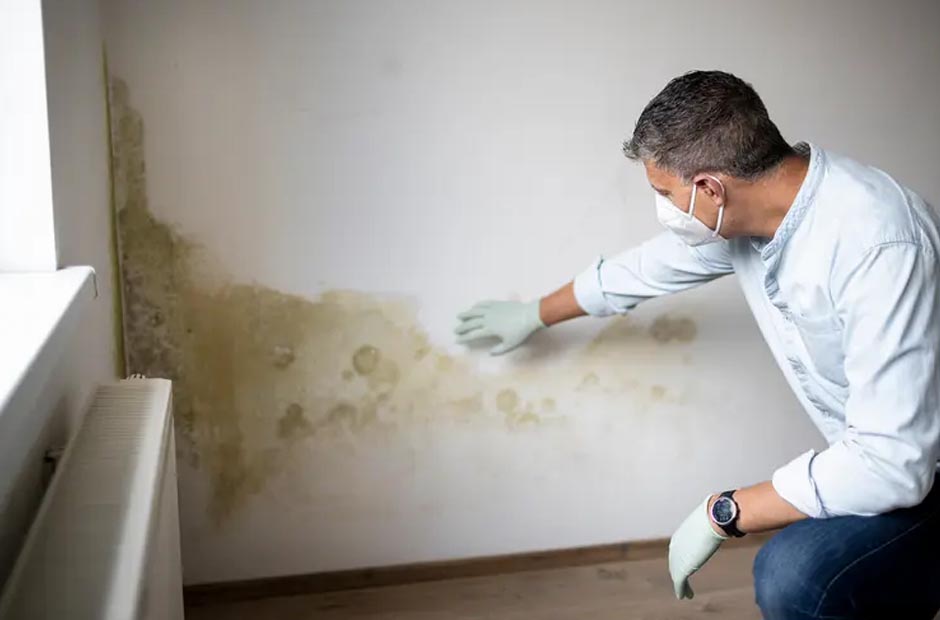
A moldy basement is likely caused by moisture issues, and early intervention helps limit indoor damage. When damp areas remain untreated, remediation steps help restore safer conditions in the basement. Here are a few prevention and remediation tips for managing a moldy basement:
Lowering Basement Humidity
Balancing indoor humidity levels helps prevent mold from returning to a moldy basement after remediation. Dehumidification supports the drying process after remediation, and ongoing moisture control prevents recurring growth. Operating a dehumidifier after cleanup dries the area. Installing a drain hose prevents interruptions to the collection tank. A prevention-focused plan involves maintaining low relative humidity beyond the initial drying phase to keep conditions unfavorable for mold.
Pairing everyday moisture control with drying leads to long-lasting prevention. Monitoring your dehumidifying equipment and drainage helps control basement moisture levels, and keeping backup equipment available provides immediate replacement when a breakdown occurs. To keep a mold-affected basement dry, remain alert to changes in humidity, as they may require additional interventions.
Filtering Basement Air
Air purification improves basement air quality and reduces airborne contaminants after the basement has been dried. It draws air through filtration from the stairways to the farthest walls and supports decontamination by removing mold spores and suspended particles left behind by remediation activities. The upward, room-wide airflow circulates air, while the basement door remains closed throughout the process. To keep spore levels down, operators can leave the purifier running after initial cleaning is finished. In situations where moisture intrusion originates from exterior structural issues, consulting a professional roofing company can help identify and address potential sources of water entry before they contribute to ongoing indoor air quality problems. Following an established schedule helps determine when to change the filter after recovery and maintain contaminant reduction, keeping the air clean.
Repairing Foundation Cracks
Diagnosing structural water entry points helps you assess your basement’s mold risk and identify areas that need repairs. Identify hairline cracks that are not darkened by dampness after rain. Documenting visible gaps helps you monitor whether they are holding and not expanding. Foundation leaks and cracks allow recurring moisture into a mold-affected basement, and if unchecked, they may lead to spalling, movement, and water migration. Wall joints located where the wall meets the floor allow water to seep into basements that are at high risk of mold contamination. Reappearing moisture at cement patch lines can signal ongoing underlying leakage.
Redirecting Rainwater Away
Exterior waterproofing and excavation services relocate rainwater away from a mold-affected basement before it can soak around the foundation. Residential downspout extensions redirect runoff by moving discharge from the base of the house a few feet away from below-grade walls. Exterior waterproofing and excavation include the placement of outdoor drainage to prevent standing water from forming next to a mold-affected basement.
Testing Sump Pumps Regularly
Testing sump pumps regularly by activating each system under simulated flood conditions helps make sure they are ready. Confirming that the check valve directs water out can prevent unwanted backflow. Inspecting the exterior discharge line exit point during heavy rain checks that water flows out and disperses away from the house, and helps prevent groundwater surges from triggering conditions that lead to mold growth.
Fix a Moldy Basement Today
Mold remediation specialists start by identifying the source of water or moisture that caused the mold in the basement. By identifying the source of moisture, professionals may prevent the issue from recurring or worsening. After the root source of the problems is resolved, technicians use specialized equipment to remove mold. Contact a mold removal company today to get your basement restored.