You notice it when the floor starts to look tired even after cleaning. The stains do not lift the way they used to, small cracks begin to show, and somehow the whole space feels older than it really is. It is not a major issue at first, but it keeps coming back into view.
Floors carry more of the home than people think. Every step, every spill, every bit of daily use settles there over time. When the surface starts to wear down, it affects how the whole space feels. That is usually when people begin to think about something more permanent, even if they are not sure what that looks like yet.
Why Short-Term Fixes Stop Working Over Time
It is common to try smaller fixes first. A quick patch, a surface cleaner, maybe a temporary seal. These solutions can help for a while, but they rarely last. The same spots wear down again, sometimes faster than before.
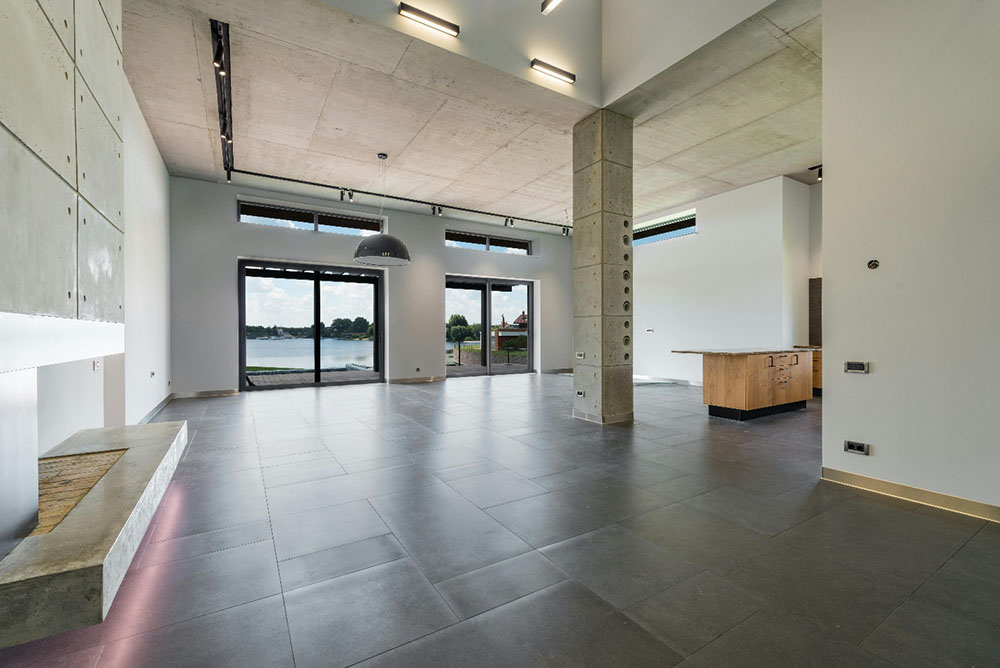
The issue is not always visible damage. It is often the gradual breakdown of the surface itself. Concrete, for example, is strong, but it is not immune to wear. Without proper protection, it absorbs moisture, develops cracks, and loses its original finish. Over time, the cost of repeating these short-term fixes starts to add up. Not always in a single bill, but across multiple small repairs that never fully solve the problem.
What Makes a Surface Truly Last
Long-lasting floor solutions tend to focus on protection as much as appearance. It is not just about making a surface look better, but about strengthening it so it holds up under regular use.
This usually involves adding a layer that resists moisture, impacts, and daily wear, like the protective coating offered by CAP Concrete Coatings. When done properly, that layer becomes part of the surface rather than something sitting on top of it. The result is a floor that does not just look finished, but stays that way longer.
Many homeowners start exploring these options once they realize that constant maintenance is not sustainable. The goal, at this point. shifts from fixing damage to preventing it altogether. It becomes less about appearance alone and more about long-term use.
The Balance Between Durability and Daily Living
One concern people often have is whether a more durable floor will feel too rigid or industrial. That used to be a fair concern, but newer solutions tend to balance strength with comfort more effectively. The surface can still handle heavy use, but it also feels smoother and more consistent underfoot. It does not catch dirt as easily, and it is easier to clean without special effort. These small changes affect how the space is used day to day.
In areas like garages, basements, or even patios, this balance becomes more noticeable. The space feels more usable, not just more protected. That difference is subtle at first, but it tends to grow over time.
Maintenance That Does Not Take Over Your Time
One of the clearer benefits of long-lasting floor solutions is reduced maintenance. It is not that maintenance disappears, but it becomes simpler. Cleaning takes less effort, and the results hold longer.
This matters more than people expect. Daily routines are already busy. Adding extra work to keep floors in good condition can become frustrating, especially when the results do not last. With a more durable surface, the focus shifts. Instead of constant upkeep, it becomes occasional care. That change frees up time and reduces the need for repeated fixes.
How It Affects the Value of the Space
Floors play a quiet role in how a home is perceived. Even if everything else is updated, worn-out flooring can make the entire space feel older. On the other hand, a clean, durable surface can lift the look of the whole area.
This is not just about resale value, though that can be a factor. It is also about how the space feels to the people living in it. A well-maintained floor creates a sense of order, even if nothing else has changed. Over time, this contributes to how comfortable and functional the home feels. It is not always noticed directly, but it is felt in daily use.
A Shift Toward Fewer, Better Upgrades
There has been a noticeable change in how people approach home improvements. Instead of making frequent small updates, there is more interest in doing fewer upgrades that last longer. It reflects a practical mindset.
Investing in a durable floor fits into that approach. It is a single decision that reduces the need for future fixes. The upfront effort may be higher, but the long-term outcome tends to be more stable. This shift is partly driven by time constraints and partly by cost awareness. People want solutions that hold up without requiring constant attention.
Why It Makes Sense in the Long Run
Long-lasting floor solutions are not always the cheapest option at the start. That can make the decision harder. But when viewed over time, the value becomes clearer. Repeated repairs, ongoing maintenance, and the gradual decline of the surface all carry costs. They may not be obvious at first, but they build up. A more durable solution reduces those repeated expenses. It also reduces uncertainty. You are not constantly wondering when the next issue will appear. That kind of stability has its own value, even if it is not easy to measure.
The Difference You Notice Later
At first, the change might seem mostly visual. The floor looks cleaner, more finished, and easier to manage. But the real difference shows up over time.
Months pass without needing repairs. Cleaning becomes routine instead of a task. The space holds its condition, even with regular use. These are not dramatic changes, but they are consistent. That consistency is what makes the investment worthwhile. It shifts the focus away from constant fixes and toward steady use. And in a home, that kind of reliability tends to matter more than anything else.