Flood protection used to be something many homeowners thought about only after a warning had been issued. Sandbags, towels and last-minute improvisation were common responses. That approach is changing. As heavy rainfall events become a more familiar part of UK weather, property flood resilience is increasingly being discussed as part of normal home planning.
This does not mean every home is at the same level of risk, and it does not mean any product can make a property completely flood-proof. Flooding is complex, and water can enter through doors, airbricks, drains, walls, garages and low-level openings, observe Compass Property Management Atlanta professionals. But practical preparation can reduce risk, limit damage and help homeowners respond more calmly when bad weather arrives.
Know the route water would take
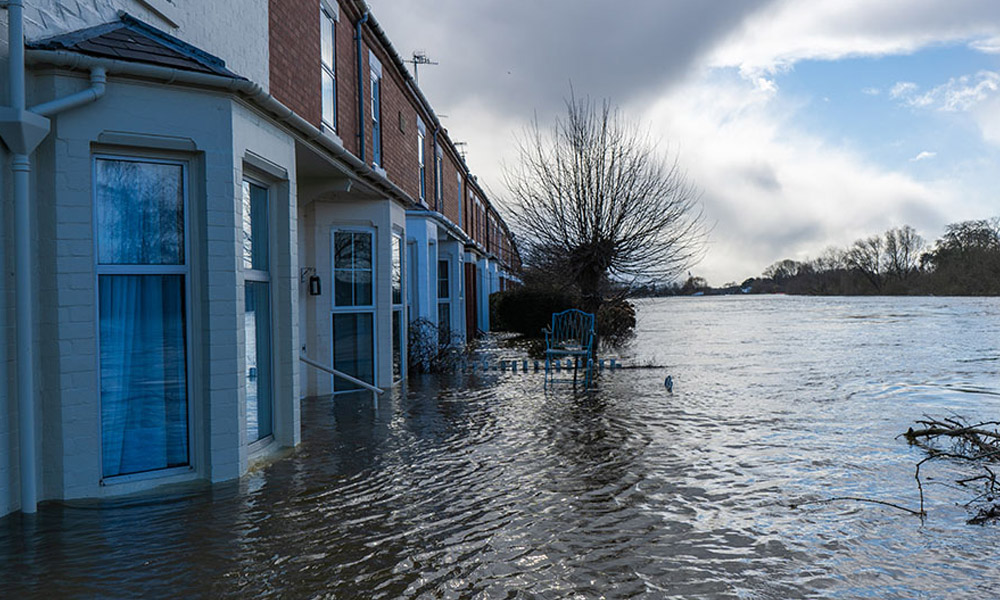
The first step is understanding how water might reach a property. Is the risk from a river, surface water, overwhelmed drains, a sloping driveway, a low threshold or a nearby road? Different sources need different responses.
A simple walk around the property during heavy rain can be revealing. Watch where water pools, which drains struggle, whether the driveway slopes towards the door, and whether airbricks or low vents sit near likely water paths. Indoors, think about which rooms, sockets, flooring and stored items would be most vulnerable.
Doors, airbricks and low openings
Many flood resilience measures focus on obvious entry points. Doorways, patio doors, garage openings and airbricks are common routes for water. Temporary or demountable barriers, covers and seals may help reduce water entry when chosen and fitted appropriately.
Homeowners should avoid assuming that one measure solves everything. If the front door is protected but airbricks, drains or a side entrance are ignored, water may still find a way in. A whole-property view is more useful.
For households considering flood barriers, the key question is suitability. The right approach depends on opening sizes, likely water depth, deployment time, storage, maintenance and who will be available to fit the protection during a warning.
Sustainable drainage and landscaping
Flood resilience is not only about barriers. Gardens, driveways and drainage can all affect how water behaves. Permeable surfaces, maintained drains, clear gullies, rain gardens, water butts and thoughtful landscaping may help slow or redirect surface water.
In some homes, small changes outside can reduce the pressure on thresholds. For example, clearing channel drains before winter, avoiding hard landscaping that sends water towards the house, or adding planting that helps manage runoff can all contribute.
Plan before the warning
Flood preparation is hardest when a warning has already been issued. Homeowners may be anxious, roads may be busy, daylight may be limited and materials may be unavailable. A written plan can make action easier.
The plan should include where barriers or covers are stored, who will fit them, which valuables should be moved upstairs, how pets will be managed, where important documents are kept, and how electricity or appliances should be handled if water enters. It is also sensible to take photographs of the property and contents for insurance records.
Maintenance matters
Flood resilience products and drainage systems need maintenance. Seals can wear, fixings can be misplaced, drains can block and stored equipment can be forgotten. A pre-winter check helps ensure everything is ready.
Homeowners should practise fitting temporary measures in calm weather. Discovering that a barrier is difficult to install during heavy rain defeats the purpose of preparation.
Be realistic and practical
No responsible flood advice should promise total protection. Severe flooding can overwhelm defences, and some situations require community-level drainage, flood schemes or emergency response. However, property-level resilience can still reduce damage, speed recovery and give homeowners more control.
The shift from emergency purchase to planned resilience is a positive one. It encourages people to understand their property, choose appropriate measures and prepare before weather turns urgent. In a changing climate, that kind of calm preparation is becoming an important part of responsible home ownership.
It can also make recovery easier if flooding does occur. Raised storage, clear records, prepared equipment and a household plan can reduce confusion during a stressful event. For many properties, resilience is not a single purchase but a layered approach: drainage, barriers, maintenance, insurance awareness and practical routines that work together.
The most useful plans are realistic. They accept that severe weather cannot always be controlled, while still taking sensible steps to reduce avoidable damage, protect important possessions and make decisions easier when warnings arrive. That preparation can make a difficult situation feel more manageable for the whole household.