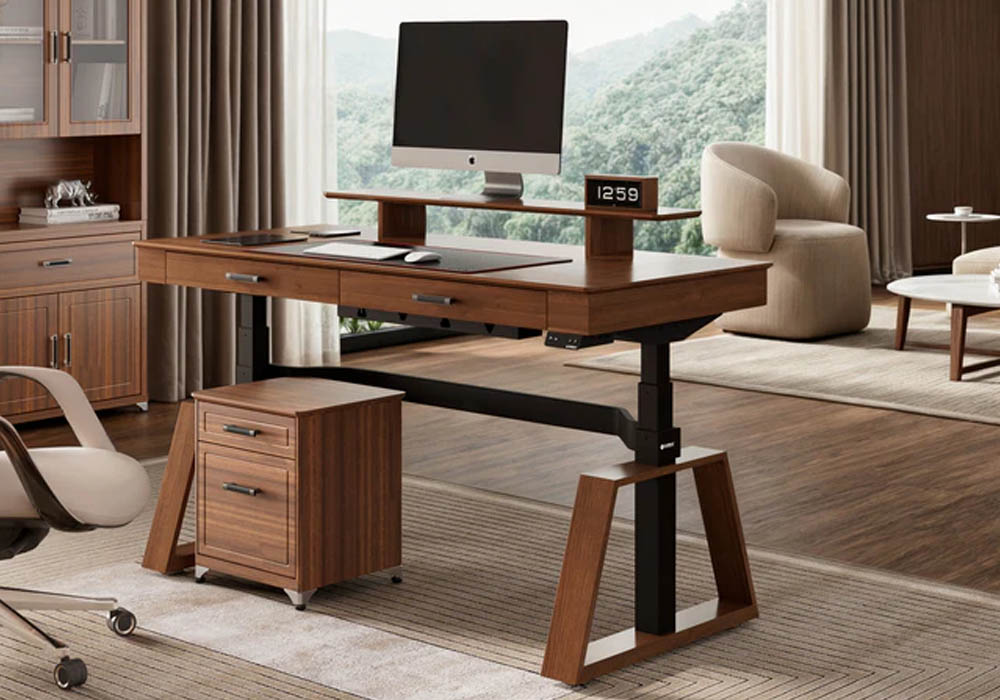
A workspace shapes more than daily productivity; it also reflects priorities, habits, and professional identity. Working professionals seek furniture that feels substantial, supports demanding routines, and aligns with responsible resource use. Reclaimed timber answers those expectations through practical performance and visible character.
Its aged grain, marks, and tonal variation create warmth without making an office feel casual or unfinished. Metal frames, privacy panels, hutches, and L-shaped layouts can pair that character with the structure required for focused work. The result feels personal, capable, and suited to long-term use. This article will give you a better idea.
Material Reuse Supports Clear Sustainability Goals
A reclaimed wood desk gives existing timber another useful life instead of treating it as disposable material. That choice can reduce demand for newly processed lumber while keeping usable wood in circulation. The U.S. Environmental Protection Agency reports that landfills received 37.4 million tons of durable goods in 2018, a category that includes furniture and furnishings. This figure gives professionals a practical reason to prioritize durable, reusable office pieces.
Distinctive Surfaces Create a Personal Office
Reclaimed boards carry grain shifts, weathered tones, knots, and surface variations that cannot be duplicated with printed finishes. These details add visual depth while preserving the polished atmosphere expected in executive offices, studios, and home workspaces. Professionals can pair the timber with black pipe frames, stainless steel structures, or dark work surfaces for a balanced industrial look. The contrast keeps the design refined rather than rustic, so the desk can complement modern technology, neutral walls, and streamlined storage.
Practical Configurations Support Demanding Workdays
Thoughtful desk formats can improve organization without sacrificing sustainable style:
- L-shaped layouts create separate zones for computer work, paperwork, and meetings while keeping essential items within reach.
- Modesty panels add privacy and visual structure, especially in reception areas or shared offices.
- Optional hutches provide vertical storage for files, supplies, and display pieces without consuming extra floor space.
- Left-return and right-return choices help the desk fit room layouts and preferred workflows.
Durable Construction Offers Long-Term Value
Professionals gain little from furniture that needs frequent replacement. Solid fittings, metal supports, substantial panels, and carefully assembled components can provide stability for monitors, equipment, files, and continuous weekday use. A well-built reclaimed wood desk may age gracefully because minor marks blend naturally with its established texture.
Simple care supports that longevity:
- Remove dust with a soft cloth before it settles into grain lines.
- Use a damp cloth for routine cleaning, then dry the surface with microfiber.
- Place hot drinks, wet containers, and sharp equipment on protective pads.
- Check hardware periodically so the frame remains secure and level.
Responsible Design Strengthens Professional Identity
Workspace choices communicate values to clients, colleagues, and employees before a conversation begins. Reused timber signals resource awareness, while industrial metal elements suggest reliability, confidence, and purposeful design. This combination can suit consultants, architects, creative teams, executives, and remote professionals who want a credible setting with genuine character. A distinctive desk can serve as the visual anchor of an office, reducing the need for excessive decorative furniture. Each natural variation makes the space feel considered rather than copied from a standard catalog.
Reclaimed timber connects environmental responsibility with dependable workplace function. Its character, adaptable layouts, and durable construction support productive professional routines. The right desk turns sustainability into a visible, useful part of everyday work.



