The Silent Strain of Nighttime Pressure
Shoulder mobility is amazing due to its ball-and-socket design. Freedom makes you vulnerable when still. When the body settles into nighttime routines, the shoulder often suffers. Gentle compression and awkward suspension tighten like a clamp over hours. That mild aching in the morning tells the narrative of a joint caught between habit and gravity.
Many sleepers dismiss this discomfort as trivial, chalking it up to temporary stiffness. But recurring pain after rest reveals an imbalance between the body’s structure and its chosen position. Nighttime should restore; instead, poorly supported shoulders spend it enduring gentle but relentless stress.
When Sleeping Habits Betray the Joint
Every habitual sleeper holds a signature pattern, a choreography set by years of unconscious routine. Unfortunately, routines can misdirect pressure toward the shoulder complex.
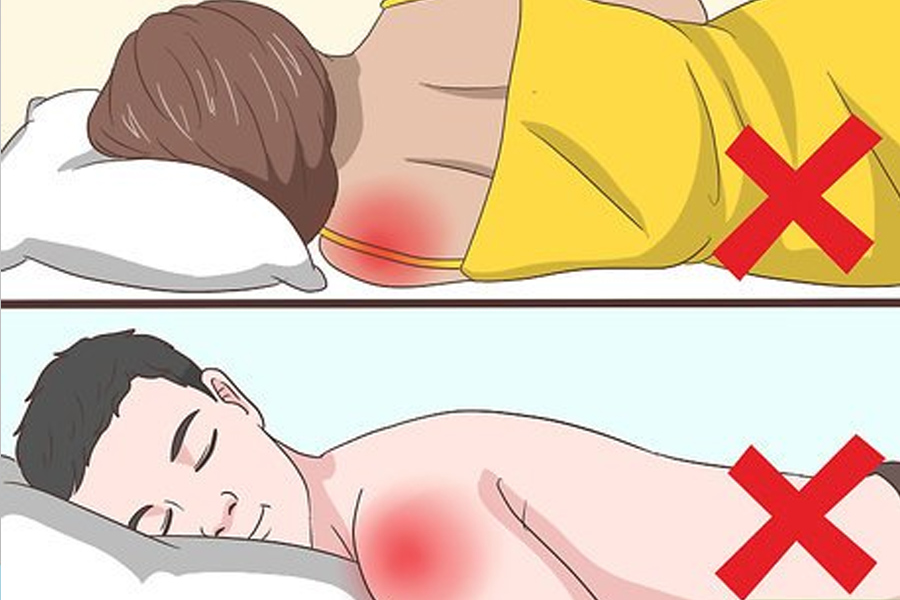
Lying on one shoulder concentrates weight. Under bone and tendon, circulation slows and tissues flatten. Favoring one side deepens the irritation pattern. Side sleepers especially become stuck in this cycle, waking up tense despite the quiet of sleep.
Another common culprit hides behind the allure of comfort: the arms overhead position. The shoulder that rests under a pillow or curls above the head slips into prolonged internal rotation. Within that strained angle, rotator cuff tendons bear the static pull and rebel over time. The sensation often radiates deep into the joint, a protest voiced through morning soreness and restricted movement.
Stomach sleepers experience yet another version of strain. Sleeping face-down compresses both shoulders forward, leaving them twisted slightly inward beneath the torso. The combination of pressure and misalignment can cause pain that feels diffuse and difficult to pinpoint. Neck tension joins the chorus, linking to the shoulder through shared muscle chains.
Next is the surface. To soft mattresses sink unevenly under body weight; too stiff mattresses fail to curve for shoulder relief. Too-high or low pillows impair spinal alignment by gently tugging at neck-shoulder joints. By sunrise, the little differences hurt from nighttime accumulation.
The Path Back to Neutral Comfort
Realigning how you rest breaks the loop of strain. Back sleeping positions both shoulders evenly, keeping joint structures open rather than compressed. Arms relaxed at the sides encourage blood flow and stability. This is the architecture of neutral support.
For those devoted to side sleeping, small but deliberate modifications create harmony rather than conflict. A supportive pillow between the arms prevents the top shoulder from rolling forward. Slight elevation of the upper arm helps keep the joint from drooping. In this arrangement, weight is shared across surfaces instead of localizing to fragile tissue.
Recovery begins with deliberate experimenting. Gradual muscle memory rewriting is the goal, not instant perfection. As nights align, the shoulder learns to relax rather than fight pressure.
Beyond the Mattress: Structured Tools That Guide Rest
Changing behavior works best when structure aids discipline. Purpose-built bedding designs function like gentle architects of posture. Wedge cushions, shoulder-contoured pillows, and adjustable mattresses set physical boundaries that remind the body where support lives. These tools transform adjustment from theory into nightly practice.
Such equipment does not simply hold the body; it teaches it. Over time, consistent use reshapes unconscious positioning patterns. The sleeper who once twisted through the night now stays centered, cushioned, and free from compression. For those navigating post-surgical recovery or chronic shoulder concerns, these devices add precision to the healing environment, keeping sensitive joints stable through prolonged rest.
When Pain Refuses to Fade
Position changes often provide relief within a week. However, stubborn discomfort deserves deeper attention. Persistent pain can hint at conditions beyond positional strain—issues within the rotator cuff, bursa, or connective tissue that require professional evaluation.
Weakness, numbness, or sharp pain radiating into the arm signal that the problem may extend beyond surface posture. Such symptoms indicate that internal structures need examination. Listening to these cues preserves mobility and prevents long-term damage. Sleep adjustments help only when the underlying system remains intact.
The Slow Art of Relearning Sleep
Reprogramming how you sleep feels deceptively simple yet rarely easy. Habits anchored in muscle and reflex resist quick change. It takes countless nights and subtle corrections to establish new comfort zones.
The human body, however, rewards patience. Each slight improvement—a pillow adjusted, a mattress replaced, a habitual arm position corrected—builds momentum. The shoulder, freed from compression, begins the quiet work of recovery while the rest of the body drifts deeper into genuine rest.
The idea is not perfection but harmony between posture and peace. Aligning comfort and anatomy turns every night into an act of repair rather than repetition of strain.
FAQ
Why does shoulder pain feel worse in the morning?
Slow movement during sleep lets pressure and tension build up for hours. Compression slows blood flow and stiffens soft tissues. Once you move, the shoulder’s first motions reveal the pain.
Is switching to back sleeping enough to solve shoulder pain?
Back sleeping helps because shoulders relax naturally without weight. Relief depends on pad height, mattress firmness, and body type. Even back sleepers can feel pain if accessories don’t support the spine evenly.
How long before sleep adjustments improve shoulder comfort?
Most people notice progress within several days to a week. Consistency makes the difference; the body must relearn proper alignment. Expect small improvements first—less morning stiffness, easier movement—before complete relief follows.
Should I use extra pillows for support when changing position?
Yes. Pillow positioning can stabilize the shoulder and prevent rolling. One under the affected arm or between the knees maintains torso symmetry. Pressure should be distributed rather than removed abruptly.
Is mattress firmness more important than pillow height?
Both directly affect shoulder alignment. A mattress that is too soft lets the shoulder sink unevenly, while an overly firm surface holds it rigid. Pillow height determines neck posture, which connects to shoulder tension. The best combination allows the spine to rest in a straight line from neck to hips.
When should shoulder pain during sleep be treated medically?
If the pain persists despite corrections, worsens over time, or includes weakness, numbness, or tingling, professional assessment is essential. Such signs may indicate deeper joint or tendon problems requiring examination rather than simple positional change.
Can stress or poor daytime posture contribute to nighttime shoulder pain?
Yes. Daytime muscle tension can worsen sleep discomfort when combined with poor positioning. Keeping shoulders up and avoiding computer use reduces baseline strain before bedtime.
Are specialized sleep products worth investing in for shoulder health?
For chronic or severe cases, they can be transformative. Contoured pillows, adjustable beds, and ergonomic support systems maintain alignment automatically. They not only ease pain but retrain nightly posture, fostering sustainable comfort long after initial relief appears.