Moving to the coast sounds simple until you start making the list.
Where will you live? How far is the grocery store? Is the commute reasonable? What happens during the busiest beach weekends? And, perhaps most importantly, are you looking at homes in the right places?
For an out-of-state buyer, the first few decisions can shape everything that follows. That’s why it makes sense to start by getting familiar with Topsail Island real estate before falling in love with a particular house.
First, Get To Know The Island
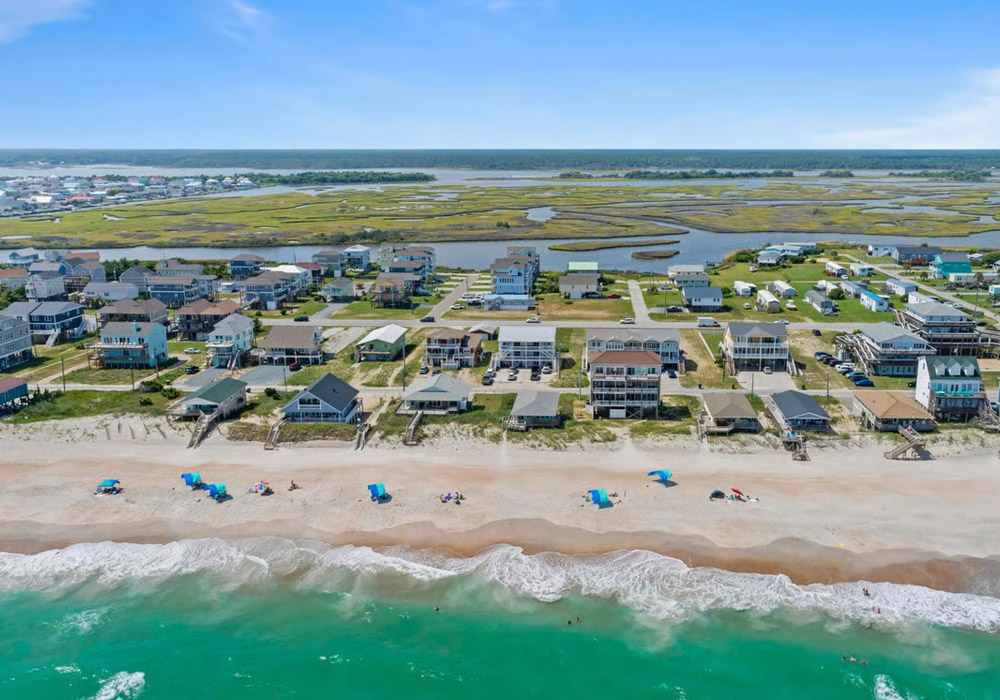
Topsail Island isn’t one-size-fits-all. Different communities offer different rhythms, property types, views, and access to the water. A buyer relocating from another state may initially focus on square footage or the number of bedrooms. Those things matter, but location can have a much bigger impact on daily life.
Spend some time looking at the island as a whole. Think about where you want to be in relation to the beach, restaurants, shopping, schools, marinas, and other regular stops. A house can look perfect online. Then you discover the drive to your favorite coffee shop feels like a small expedition.
Decide How You Plan To Use The Property
Before browsing listings endlessly, figure out what the home needs to do. Is this a full-time residence? A second home? A place for family vacations? Could it eventually become a rental property? Each scenario changes the search.
A permanent resident may care deeply about year-round conveniences, storage, workspace, and neighborhood feel. Someone buying a vacation property may put more weight on beach access, outdoor living areas, sleeping capacity, and rental appeal.
Knowing the purpose of the property helps narrow the search before the number of available listings becomes overwhelming.
Look Beyond The Photos
Online listings are useful. They are also very good at making everything look like a vacation. That doesn’t mean photos are misleading. They simply don’t tell the entire story.
Pay attention to details that don’t always make the hero image: road access, neighboring properties, parking, flood considerations, elevation, outdoor spaces, and the distance between the house and the beach.
Out-of-state buyers should also think about what isn’t visible from a screen. Noise levels. Traffic patterns. The feel of the surrounding area. How the property looks at different times of day. Those details can matter just as much as a remodeled kitchen.
Build A Local Shortlist
Once you understand your priorities, start creating a shortlist of properties and locations rather than chasing every new listing.
Keep track of asking prices, property taxes, insurance considerations, HOA details where applicable, and features that influence long-term value. Coastal properties can come with considerations that buyers from inland markets may not be accustomed to.
This is also where local expertise becomes especially useful. A local professional can help explain neighborhood differences, point out property-specific concerns, and save you from spending hours researching a house that doesn’t actually fit your plans.
Give Yourself Room To Change Your Mind
Relocating is a major move. The home search doesn’t need to become a race. Your first idea of the perfect coastal property may change after you visit the island. Maybe you thought you needed to be directly on the beach and discover that a short walk gives you everything you wanted. Or perhaps the opposite happens.
That’s normal. The more you learn about the area, the better your priorities become.
Start With The Place, Then Find The House
Buying from out of state can make the process feel backward. You see a beautiful listing before you really know the neighborhood. Flip that around.
Start with the island. Learn the communities. Figure out how you want to spend your days. Then compare properties with those priorities in mind.
The right coastal home isn’t simply the one with the prettiest listing photos. It’s the one that fits the life you imagined when you decided to move in the first place.