Ever wondered why over half of telebehavioral health programs fail in their first 24 months?
The answer is simple. They were never built to last.
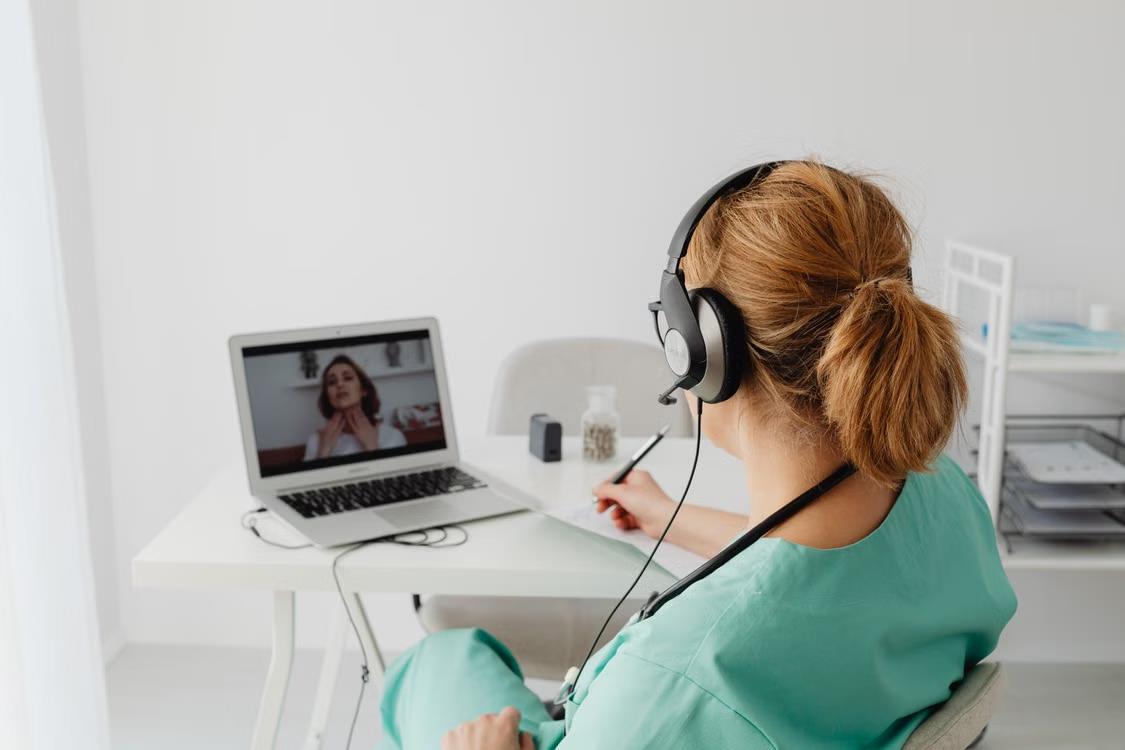
Virtual visits are revolutionizing the way patients meet with psychiatrists, therapists and behavioral health experts. Waiting rooms are being replaced with living rooms. Two-hour commutes are being replaced by two-minute log-ins.
Simply launching a video platform and leaving it is not a strategy. It’s a quick path to burnout, budget cuts and frustrated patients.
The good news?
In contrast, sustainable telepsychiatry programs are built from the ground up to expand, evolve, and continue meeting the needs of communities well past the excitement of initial rollout.
Here’s how it works…
The Breakdown:
- What Sustainable Telepsychiatry Programs Actually Look Like
- Why Remote Consultations Are Reshaping Healthcare
- The Building Blocks That Keep Programs Running
- What Makes Some Programs Outlast Others
- Common Roadblocks (And How To Handle Them)
What Are Sustainable Telepsychiatry Programs?
When telepsychiatry programs are sustainable, they provide virtual care services that continue to achieve outcomes far beyond their initial startup period. These types of programs incorporate dependable technology, qualified clinicians, and consistent financial support.
Most virtual clinics focus on the “go live” moment.
Sustainable programs focus on the next 5-10 years. That means:
- Ongoing clinician support and licensing
- Reliable tech that patients can actually use
- Funding streams that don’t dry up
- Community partnerships that keep referrals flowing
Especially critical for smaller clinics and rural health systems. These providers can not afford trial and error. They need programs that work right out of the gate and sustainably continue to work.
There’s no place left to expand. In fact, rural areas are shrinking. Latest statistics reveal that 80% of rural counties across the U.S. have zero psychiatrists in active practice. Programs that modernize rural healthcare infrastructure are a saving grace for these communities, and long-term telepsychiatry programs are at the epicenter of this movement.
Pretty eye-opening, right?
Why Remote Consultations Are Reshaping Healthcare
Teleconsultations are not an emergency option anymore. Millions of patients receive their behavioural health care remotely now.
Telehealth mental health claims have increased 5,123% since 2019. Really. Mental and behavioral health have become the largest driver of virtual care adoption.
Here’s why this shift is sticking around:
Access For The Underserved
Previously rural patients drove hours to see their nearest psychiatrist. Some gave up entirely. Virtual visits eliminate that barrier entirely. Patients can see their provider from the kitchen of their home, their car or even a private office at their local medical center.
Better Attendance
Video appointments have significantly lower no-show rates than office visits. Patients do not need to take time off work or arrange childcare.
The result? More appointments completed and better clinical outcomes.
Room For The Workforce
Psychiatrists are in short supply. Telepsychiatry enables one provider to treat patients throughout a region, rather than being limited to one community.
The Building Blocks That Keep Programs Running
Thriving telepsychiatry programs don’t just magically happen. They’re built on four key fundamentals. Here are the four cornerstones every sustainable program must have.
Funding That Doesn’t Vanish
Grant funding is fantastic to launch something new. But grants come to an end. Successful telepsychiatry programs plan for sustainability.
That means finding:
- Reimbursement from Medicare and Medicaid
- Private insurance contracts
- Sliding scale patient payments
- Local government support
A good funding mix keeps the doors open even when one source dries up.
Licensed, Supported Clinicians
Burnout of clinicians involved in running virtual programs is the single greatest killer of those programs. Successful programs invest in their staff.
That includes:
- Fair pay and reasonable caseloads
- Multi-state licensing support
- Mental health support for the clinicians themselves
- Ongoing training on new tools and protocols
Happy clinicians stick around. And when clinicians stick around, patients get consistent care.
Tech That Works For Real People
Sophisticated software is worthless if it’s unusable by patients. The top platforms offer simplicity, security and seamless performance on an entry-level smartphone.
Look for:
- HIPAA-compliant video
- Low-bandwidth options for rural users
- Simple appointment booking
- Integration with electronic health records
Community Buy-In
Sustainable programs are woven into the community they serve. That means partnering with:
- Local primary care clinics
- Schools and universities
- Faith groups and community centres
- Local government offices
They drive referrals and awareness and scale programs effectively.
What Makes Some Programs Outlast Others
Some telepsychiatry programs shut down within 18 months. Others grow year after year.
What’s the difference?
They measure what matters. Effective programs track patient satisfaction, no-show rates and clinical outcomes. It’s not just about the quantity of video visits last week.
They remain flexible. Rules evolve. Insurance policies shift. Technology advances. Great programs roll with the punches without losing shape.
They plan for growth. Pilots that are too small often fail to scale when they succeed. High-performing programs build growth into the process from the beginning.
Lesson learned? Starting a program is easy. Sustaining it for 10 years requires thoughtful planning.
Common Roadblocks (And How To Handle Them)
All the best planned programs experience setbacks. Here are the most common…
Rules about reimbursement keep shifting. Medicare, Medicaid and private insurers are frequently updating their rules on how they’ll reimburse for telehealth. Programs must have someone who is responsible for staying on top of changes and responding rapidly.
Broadband gaps. Some rural patients lack dependable internet access. Programs may work with community clinics or libraries to secure private spaces for video visits.
Licensing headaches. Delivering care across state lines can be difficult. Interstate compacts such as PSYPACT are assisting with that but programs need to consider it early on.
Building trust with patients. Not everyone wants virtual care. Patients are more comfortable with hybrid practices that offer the option of in-person visits.
Concerns about data security. Patients must feel confident their discussions will remain confidential. Apps should prioritize robust encryption methods and transparent privacy policies. One data breach can destroy that confidence permanently.
Remote care is coming whether you like it or not. Programs that plan for inevitable obstacles will weather them. Programs that don’t last.
The Bottom Line
Redesigning healthcare delivery isn’t about choosing the shiniest new object. It’s about creating sustainable change.
Sustainable telepsychiatry programs succeed because they:
- Plan for long-term funding
- Support their clinicians properly
- Use technology patients can actually use
- Partner with the wider community
Virtual visits are here to stay. Physicians who create sustainable programs now will be practicing to serve patients a decade from today.
The healthcare model has changed. The question isn’t whether to adapt.
It’s how quickly, and how well.