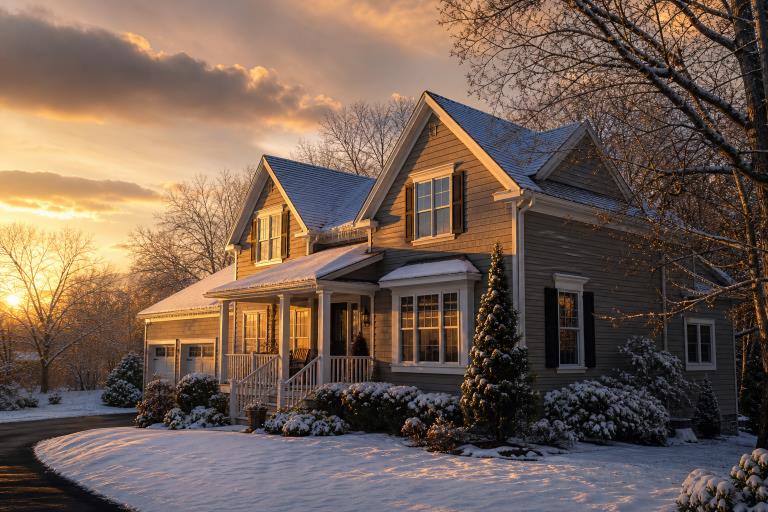
Southington roofs work through a full range of Connecticut weather, from freeze-thaw cycles and snow loads to wind-driven rain, summer heat, and falling branches. Staying ahead of those conditions can help homeowners catch small drainage, shingle, and flashing problems before they become ceiling stains, attic moisture, or more extensive interior damage.
For homeowners who need a local assessment, roofing contractor in Southington, CT, Epic Exteriors LLC provides roof replacement, new roof installation, inspections, storm-damage assessments, and residential and commercial roofing services for Southington and communities across Connecticut. As a licensed, insured GAF Certified Plus contractor familiar with ice dams, wind exposure, and New England weather, the company can help property owners understand whether a roof needs attention now or continued monitoring.
Why Southington Roofs Face Year-Round Stress
Winter moisture can freeze at roof edges, expand in small gaps, and force water beneath vulnerable materials. In warmer months, intense sun, heavy rain, and wind can loosen shingles, expose flashing, and overwhelm clogged gutters. Older roofs, shaded slopes with moss growth, low-slope sections, and homes with prior leaks deserve especially close attention.
Start With a Simple Roof Check
A visual check from the ground, driveway, or a safely positioned window can reveal important warning signs. Never climb onto a wet, icy, or storm-damaged roof.
- Missing, curled, cracked, or loose shingles.
- Dark patches, exposed decking, or sagging roof lines.
- Loose flashing around chimneys, skylights, and vent pipes.
- Gutters pulling away from the fascia or overflowing during rain.
- Shingle granules are collecting near downspouts.
- Ceiling stains, damp attic insulation, or musty odors indoors.
For broader exterior maintenance information and local service options, Epic Exteriors also serves nearby communities, including Plainville, Cheshire, Farmington, Meriden, Wallingford, and Newington.
Prepare for Snow and Ice
Heavy snow and ice can add weight, block drainage, and increase the chance of ice dams. The Connecticut Insurance Department’s winter home safety guidance is a useful reminder that snow and ice can contribute to roof damage and water intrusion.
Before the First Major Storm
- Clear leaves, twigs, and debris from gutters, valleys, and downspouts.
- Confirm downspouts direct water well away from the foundation.
- Look for insulation gaps, air leaks, and blocked attic ventilation.
- Trim branches that overhang the roof where it is safe to do so.
- Keep a roof rake available for safe ground-based use.
- Arrange a professional inspection if the roof is aging, leaking, or visibly worn.
Know the Warning Signs of an Ice Dam
An ice dam forms when snow melts on a warmer portion of the roof, then refreezes at the colder eaves. Water can collect behind that ice and work its way beneath the shingles. Large icicles alone do not always mean a leak, but they should prompt a closer look at attic conditions and drainage.
- Ice is blocking the gutter line or building up along the eaves.
- New brown ceiling stains after a sunny winter day.
- Peeling paint near exterior walls or windows.
- Damp insulation, wet sheathing, or a musty smell in the attic.
Do not chop at ice dams with axes, hammers, or sharp tools. Those methods can damage shingles, gutters, and flashing. Heavy accumulation, steep roofs, and visible water entry are situations for a qualified professional.
Check the Roof Again After Summer Storms
Summer storms can lift shingles, damage vents and chimney caps, clog drainage paths, and drop branches onto the roof. Review the property after significant wind or rainfall, then continue watching ceilings and attic areas during the next storm. The National Weather Service offers practical thunderstorm safety information to help you plan around lightning, wind, and severe weather.
Post-Storm Checklist
- Look for shingles, flashing pieces, or branches in the yard.
- Check gutters, siding, vents, and chimney caps for visible damage.
- Inspect the attic for damp insulation or daylight through the roof deck.
- Photograph visible damage before cleanup, when it is safe.
- Contact the insurance carrier and a roofing professional if the damage appears significant.
When Repair May Not Be the Best Long-Term Answer
A small, isolated issue may be repairable, but repeated leaks or widespread wear can indicate a larger problem. A professional roof inspection can help homeowners compare the short-term cost of a repair with the value of replacing a failing roof system.
- The roof is near the end of its expected service life.
- Damage appears in several areas or returns in the same location.
- Flashing, underlayment, or decking has deteriorated.
- Ice dams and poor attic ventilation continue year after year.
- Past storm damage has compromised the roof’s ability to shed water.
Questions to Ask a Roofing Professional
- Is the damage cosmetic, functional, or structural?
- What likely caused the issue?
- How much useful life does the current roof have?
- Are insulation, ventilation, flashing, and roof edges performing properly?
- Does the written estimate include labor, materials, disposal, and cleanup?
- What artistry and manufacturer warranties apply?
- Is the contractor licensed and insured in Connecticut?
Insurance and Documentation Tips
Take seasonal photos of the roof, gutters, attic, and ceilings. Keep inspection reports, invoices, warranties, and storm photos in one place. Review policy requirements before severe weather arrives, and document damage before permanent repairs begin unless emergency work is necessary to prevent further loss.
A Practical 2026 Roof Care Schedule
- Early spring:Check for ice-dam damage, loose shingles, attic moisture, and gutter problems.
- Late spring:Clean gutters, trim branches, and inspect flashing before heavy rain.
- Summer:Review the roof after major storms and watch for wind-lifted materials.
- Early fall:Schedule an inspection for an aging roof or one with a history of leaks.
- Late fall:Remove leaves from roof valleys, gutters, and downspouts.
- Winter:Monitor snow, ice, icicles, and signs of water entry from a safe location.
Common Questions From Southington Homeowners
How often should a roof be inspected?
Complete a visual check twice a year and after major wind, hail, snow, or branch-impact events. Older roofs and homes with previous leaks may need more frequent professional evaluations.
Can gutters affect roof health?
Yes. Blocked or damaged gutters can trap water near the roof edge, contribute to ice buildup, and direct runoff toward siding, windows, and foundations.
Does a new roof prevent ice dams?
Not by itself. Air sealing, insulation, attic ventilation, roof design, and drainage all affect how snow melts and refreezes at the eaves.
Consistent seasonal care helps Southington homeowners protect one of their home’s most important systems. Clean drainage, sound flashing, balanced attic conditions, and quick attention to leaks can make a meaningful difference before the next winter freeze or summer storm.