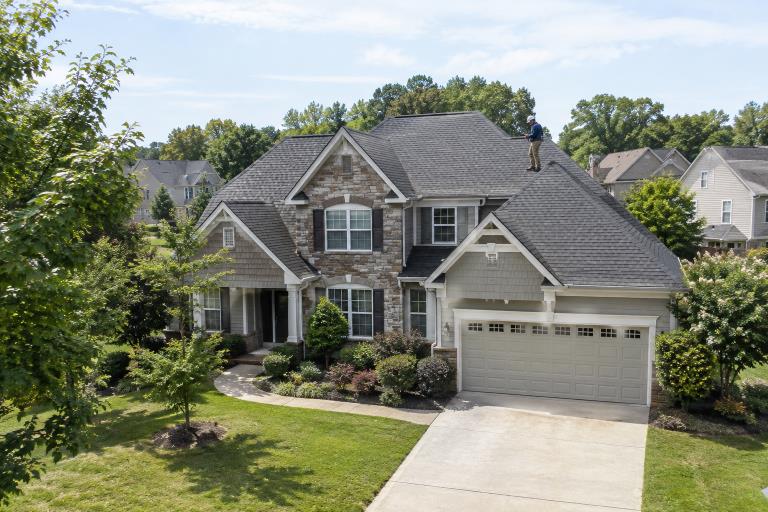
A roof problem can feel urgent, especially when water stains appear indoors or shingles are visible in the yard. Still, the best answer is not always the fastest patch or the largest possible project. A qualified roofing contractor United States homeowners can consult should assess the complete roofing system before recommending repair, rejuvenation, or replacement. The visible symptom is only one part of the decision. Water can enter through flashing, pipe boots, valleys, skylights, damaged shingles, or drainage trouble. The right solution depends on the source of the issue, the condition around it, the age and material of the roof, and whether the underlying deck remains dry and stable.
Why the Choice Matters
A low-cost repair can be a smart investment when it solves a contained problem. However, repeatedly patching an aging roof with multiple failures can be more disruptive and expensive than addressing the system as a whole. Conversely, replacing a roof with many years of dependable service remaining may not be necessary when one component has failed. The goal is to identify the cause, not simply cover the symptom. For example, a ceiling stain may point to a leak, but the entry point may be several feet away from the stain. A careful evaluation helps distinguish a one-time issue from a sign of broader deterioration.
The Three Main Options
Targeted Roof Repair
Roof repair focuses on a specific failure point while preserving the rest of the roof. Common examples include replacing a few wind-damaged shingles, repairing flashing around a chimney, sealing a damaged vent boot, or correcting a localized drainage issue. A durable repair requires compatible materials and sound surrounding surfaces.
Roof Rejuvenation
Rejuvenation treatments are intended for certain asphalt shingle roofs that show surface aging but remain intact overall. These treatments are not a structural repair. They cannot correct rotten decking, widespread leaks, sagging, major storm damage, or missing areas of roofing. An inspection should determine whether the shingles and supporting system are suitable candidates.
Full Roof Replacement
A replacement removes existing roofing materials and installs a new system. Depending on the project, this can include shingles or other roof coverings, underlayment, flashing, ventilation components, edge details, and replacement of damaged decking. It is the most comprehensive option when the existing system has reached the end of its useful life.
When Roof Repair Makes Sense
Repair is often reasonable when the damage is small, clearly identified, and separate from the condition of the rest of the roof. It may be a strong option when:
- The leak source can be located with confidence.
- Only one small section is damaged.
- Nearby shingles, tiles, or panels remain secure and serviceable.
- The deck and underlayment show no evidence of water-related deterioration.
- The roof is not experiencing repeated failures in different areas.
Repairable examples can include a cracked pipe boot, loose flashing at a wall transition, a small number of lifted shingles, or localized storm damage. A repair may be less appealing if matching materials are unavailable or if each repair exposes another aging weakness.
When Rejuvenation May Help
Asphalt shingles can become less flexible as they age. For a roof with an intact shingle field, limited granule loss, sound decking, and no meaningful leak history, rejuvenation may serve as a middle path between routine repairs and immediate replacement. It should be viewed as a condition-specific maintenance option, not a cure for every older roof. Rejuvenation is generally unlikely to solve problems involving widespread cracking, severe brittleness, visible sagging, extensive wind or hail damage, recurring leaks, or deteriorated wood beneath the roof covering. In those situations, treatment may delay a necessary repair without resolving the root issue.
When Replacement Is Better
Replacement is usually the more sensible choice when repairs would only postpone a larger failure. Signs that point toward a full project include:
- Leaks occurring in multiple areas or returning after previous repairs.
- Widespread curling, cracking, blistering, or loss of protective granules.
- Soft spots, visible sagging, or confirmed deterioration in the roof deck.
- Large sections of storm damage or exposed roof components.
- Materials that cannot be matched well enough for a durable, cohesive repair.
- A roof that is nearing the end of its expected service life and needs substantial work.
Age is an important context, but it does not decide the issue on its own. An older roof that remains dry, stable, and well-maintained may still support a limited repair. A younger roof with poor ventilation, installation defects, or widespread storm damage may need more extensive work sooner than expected.
What a Roof Inspection Should Cover
- Document the concern: Note stains, missing materials, exposed fasteners, granules, and gutter damage.
- Review the roof surface: Look for punctures, cracked areas, loose materials, and uneven wear.
- Examine critical details: Check flashing, valleys, skylights, chimneys, vents, and pipe penetrations.
- Assess drainage: Identify blocked gutters, standing water, and low-slope areas where water may collect.
- Inspect accessible interior areas: Look for damp insulation, stained decking, or soft wood in the attic.
- Request evidence: Ask for photos and a written explanation of the cause, recommended scope, and alternatives.
Insurance, Costs, and Timing
Roofing costs vary with roof size, pitch, material, accessibility, existing layers, ventilation work, flashing details, disposal, and any needed deck repairs. Insurance coverage also varies by policy and cause of loss. Many policies treat sudden damage, such as wind or hail, differently from long-term wear. Homeowners weighing a claim can use a guide to roof repair, replacement, and insurance considerations to frame questions before contacting their insurer.
Act quickly when rain is actively entering the home, the roof decking is exposed, large sections of material are missing, or sagging is visible. Temporary protection may limit further water intrusion while the full repair plan is being evaluated. For an example of why policy wording and damage scope matter, review how partial roof damage can affect replacement decisions under state insurance guidance.
Questions to Ask Before Hiring
- What is the exact source of the problem?
- Is the damage isolated, or does it affect multiple roof areas?
- What condition are the underlayment and roof deck in?
- Would repair materials match the existing roof acceptably?
- Is rejuvenation appropriate for this roof, and why or why not?
- What labor, materials, cleanup, permits, and warranties are included?
- Will the estimate explain exclusions and payment stages in writing?
Conclusion
The right roofing decision matches the roof’s actual condition, not just the most visible problem. Choose repair when damage is contained; consider rejuvenation when an aging asphalt roof remains structurally sound; and discuss replacement when failures are widespread, recurring, or affecting components below the surface. Other factors, such as the roof’s age, maintenance history, weather exposure, and remaining service life, should also be considered before making a final decision. A documented inspection and detailed written scope provide the clearest path to a confident decision. Comparing the roof’s condition with the expected costs and benefits of each option can also help homeowners avoid unnecessary work while addressing problems before they become more extensive.