Selling a home as-is in Washington can be a sensible option when repairs, cleanup, finances, or timing make a conventional sale difficult. Homeowners evaluating quick house buyers in Washington should still compare every available path, including a traditional listing, limited repairs before listing, and a direct sale.
An as-is sale generally means the buyer agrees to purchase the property in its present condition. It does not automatically eliminate a seller’s responsibility to be honest about known material problems, resolve title matters, or comply with the terms of the purchase agreement.
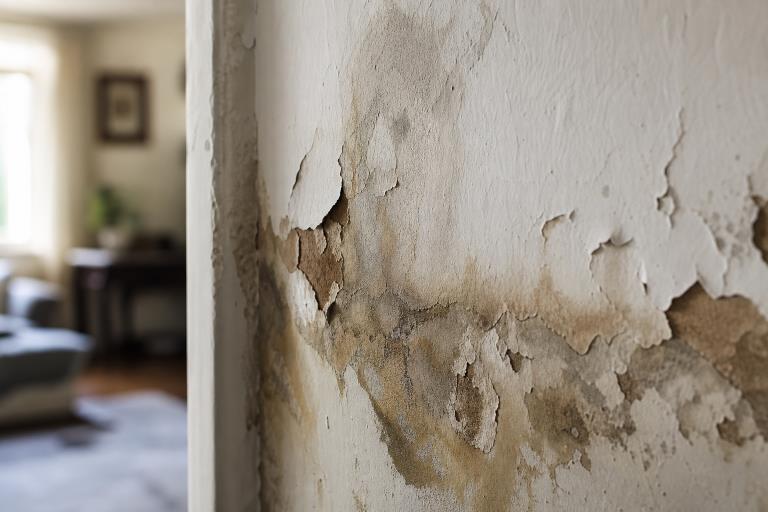
This approach may be a good fit for a house with an aging roof, water damage, outdated systems, unwanted belongings, or deferred maintenance. It can also help when an owner needs a shorter timeline after an inheritance, divorce, relocation, or financial hardship.
Before accepting any offer, focus on the likely net proceeds rather than the headline price. A lower offer with fewer repair demands, a faster closing, and lower holding costs may produce a better result than a higher offer with uncertainty.
Some sellers who want to avoid repeated showings or a long preparation period also consider companies that say we buy homes in Tacoma, WA, but the same review standards should apply to every direct buyer: written terms, proof of funds, clear contingencies, and a realistic closing plan.
What As-Is Means When Selling a Home
As-is describes the condition the buyer agrees to accept at closing. It can cover visible wear, unfinished projects, old appliances, and repairs the seller does not intend to complete. However, the label is not a blanket waiver of every concern. Inspection rights, financing requirements, title conditions, possession terms, and seller disclosures can still affect the transaction.
The contract controls the details. A buyer may agree to take the property as-is while retaining an inspection contingency, requesting a price reduction, or canceling within a specified review period. Sellers should read those provisions carefully rather than assuming that “as-is” guarantees a no-repair closing.
Why Washington Homeowners Sell As-Is
Washington owners commonly choose an as-is sale when the property needs more work than they can reasonably fund or manage. Typical situations include:
- A failing roof, foundation movement, plumbing leaks, unsafe wiring, or major water intrusion.
- An inherited property that requires estate coordination, cleanup, and removal of personal belongings.
- Mortgage delinquency, unpaid property taxes, foreclosure pressure, or other urgent financial deadlines.
- A job move, family change, divorce, or need to sell from out of state.
- A rental home with tenant issues, an existing lease, or years of deferred maintenance.
- Code concerns, contractor claims, judgments, boundary questions, or other title complications.
Main Ways to Sell an As-Is Property
List on the Open Market
A real estate agent can market an as-is home to owner-occupants, investors, and buyers willing to renovate. This route may bring broader exposure, but it can involve photographs, showings, inspections, appraisal questions, negotiations, and a longer timeline. Pricing must honestly reflect the property’s condition.
Sell Directly to a Buyer
A direct sale can reduce preparation and scheduling demands, particularly when a home is occupied, cluttered, or difficult to show. Compare the proposed offer against the estimated proceeds from listing, not against an idealized retail price for a fully repaired home.
Complete Limited Repairs Before Listing
Small, targeted work can sometimes improve buyer confidence without turning the project into a renovation. Prioritize active leaks, exposed hazards, broken utilities, sanitation problems, and issues likely to disrupt a buyer’s financing. Avoid expensive cosmetic upgrades unless local pricing supports the expected return.
Costs to Compare Before Choosing a Sale Method
Build a separate estimate for each option. Important cost areas include:
- Repairs:Safety work, lender-required repairs, permits, and contractor expenses.
- Cleaning and removal:Junk hauling, estate cleanouts, storage, landscaping, and pest treatment.
- Marketing and professional fees:Agent compensation, photography, staging, legal advice, or inspections.
- Closing charges:Escrow, title, recording, loan payoff, and negotiated seller concessions.
- Holding costs:Mortgage payments, insurance, utilities, property taxes, and upkeep while the home remains unsold.
A practical formula is: expected sale price minus repairs, selling costs, taxes, liens, loan payoff, and holding costs equals estimated net proceeds. The highest offer is not necessarily the strongest offer if it comes with expensive concessions or a meaningful risk of falling apart.
Washington Disclosure Duties
An as-is seller should answer disclosure questions carefully, preserve repair invoices and inspection reports, and avoid guessing. Under Washington’s seller disclosure requirements, many sales of improved residential property require a completed disclosure statement unless an exemption or valid waiver applies. The disclosure is based on the seller’s actual knowledge and is not a warranty that the home has no defects.
For transactions entered into during 2026, sellers should use the version of the law then in effect. The statute also contains revisions scheduled to take effect on January 1, 2027, so anyone planning a later transaction should confirm the applicable form and requirements with a qualified professional.
How Repairs, Liens, Probate, and Tenants Can Affect a Sale
Property Condition and Financing
Structural damage, mold concerns, asbestos, unsafe electrical systems, and major water intrusion can narrow the pool of buyers. Conventional or government-backed financing may be harder to obtain if the house does not meet lender or appraisal standards. Gather estimates, permits, warranties, and prior reports when available.
Liens, Probate, and Rental Obligations
Unpaid taxes, contractor liens, judgments, ownership disputes, and missing estate authority can delay closing. Order a title review early. For inherited homes, confirm who has legal authority to sign. For rental properties, review the lease, security deposit obligations, notice requirements, and local rules before promising vacant possession.
How to Review a Cash Offer
- Confirm the purchase price and estimated cash due to the seller at closing.
- Request proof that the buyer has sufficient funds available.
- Check whether the buyer may assign the contract to someone else.
- Review inspection, title, financing, appraisal, and cancellation contingencies.
- Understand the earnest-money deposit, including when it becomes nonrefundable.
- Confirm the closing date, possession date, escrow company, and treatment of belongings left behind.
A Simple Step-By-Step Selling Plan
- Decide whether speed, convenience, certainty, or maximum price is the priority.
- Gather the deed, mortgage information, tax records, leases, permits, repair receipts, and insurance details.
- List known defects and obtain estimates only for work that could change the selling decision.
- Identify liens, probate needs, easements, or ownership questions early.
- Compare more than one offer or pricing opinion when possible.
- Review net proceeds, deadlines, contingencies, and cancellation rights before signing.
Common Mistakes to Avoid
Do not spend heavily on cosmetic improvements without a pricing strategy, accept a verbal offer, ignore title problems, or compare bids by price alone. Sellers should also account for the Washington real estate excise tax and applicable local charges, as these rules can affect the final settlement figures. A tight deadline is a reason to simplify the process, not a reason to skip basic due diligence.
Final Thoughts
An as-is sale can be practical, but it still requires clear disclosures, realistic math, and a contract that matches the seller’s goals. Compare repair costs, timing, taxes, title issues, and likely net proceeds before choosing a path. The best outcome is the sale method that fits the property’s condition and reaches closing with the fewest avoidable surprises.