Every gardener knows the distinct joy of watching vibrant blooms, lush foliage, and healthy vegetables respond to attentive care. However, outdoor gardens face a constant series of environmental challenges—ranging from sudden temperature swings and drying winds to aggressive weeds and hungry garden pests. Shielding your garden isn’t about creating an artificial, touch-free zone; it is about building a resilient, supportive environment that empowers your plants to withstand stress and bounce back stronger.
By implementing strategic, time-tested protection methods, you can safeguard your outdoor investment and enjoy a flourishing landscape all season long.
1. Build Fortified Soil from the Ground Up
True plant defense begins well beneath the surface. Soil that is rich in organic nutrients acts as both a physical cushion and a biological shield for plant roots, buffering them against extreme weather, erosion, and soil compaction.
- Incorporate High-Quality Organic Matter: Work rich compost into your planting beds before the main growing season begins. Organic matter dramatically improves soil structure, aiding drainage in heavy clay while boosting water retention in loose, sandy soils.
- Encourage Deep Root Development: Instead of frequent, light sprinklings, practice deep and infrequent watering. Encouraging roots to extend deeper into the subsoil makes plants significantly more resistant to summer heat waves and unexpected dry spells.
2. Lock in Moisture and Temperature Control with Mulch
If there is a single universal secret to garden protection, it is maintaining a proper layer of organic mulch. Mulch serves as a physical insulation layer that moderates soil temperature, suppresses competing weed growth, and prevents precious moisture from evaporating under direct sunlight.
When selecting protective materials for flower beds and vegetable rows, convenience and material quality make a significant difference. For homeowners working on targeted garden beds, trees, or hard-to-reach landscape borders, utilizing premium bagged mulch in Salt Lake City provides an easily manageable solution that delivers immediate functional and aesthetic benefits.
To maximize your mulch layer’s protective power:
- Maintain a uniform depth of 2 to 3 inches across garden beds.
- Keep mulch pulled back roughly 1 to 2 inches from plant stems and tree trunks to prevent trapped moisture and fungal decay.
- Refresh the layer annually as the organic fibers break down into nutrient-rich soil matter.
3. Defense Against Extreme Weather and Swings
Unpredictable weather patterns—such as unseasonal spring frosts, intense midsummer sun, or sudden torrential rain—can threaten delicate crops and ornamental plants. Having quick-deploy protection options on hand can save your garden from severe stress.
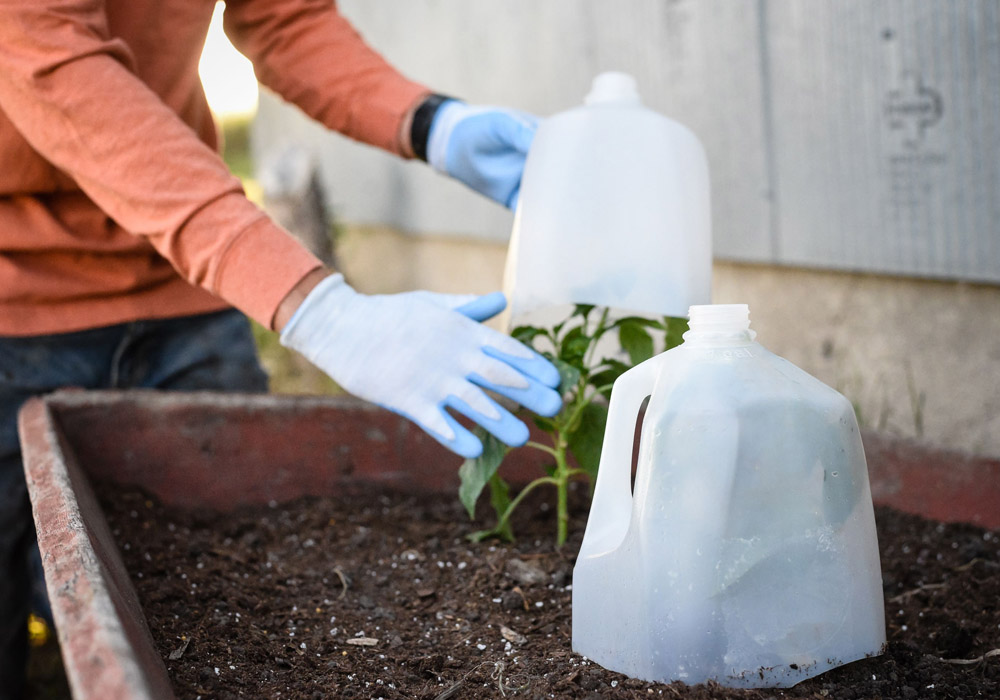
- Frost Cloths and Protective Covers: Keep breathable frost blankets or temporary cloches accessible during seasonal transitions. Covering delicate greens when overnight temperatures drop prevents cellular freezing and leaf scorch.
- Shade Cloths for Peak Summer Heat: During extreme heatwaves, intense UV rays can burn foliage and trigger blossom drop. Installing a 30% to 50% density shade cloth over vulnerable plants lowers leaf temperatures while allowing sufficient light for photosynthesis.
- Strategic Windbreaks: Strong winds can snap tender stems and rapidly dehydrate foliage. Position decorative fencing, dense hedge borders, or sturdy trellises to break high-velocity gusts before they reach fragile garden beds.
4. Implement Smart Mechanical Barriers
Rather than relying entirely on chemical sprays, physical barriers offer a clean, highly effective method for keeping destructive insects and animals away from your plants.
- Floating Row Covers: Lightweight woven fabric covers allow sunlight, air, and water to reach plants while physically blocking beetles, caterpillars, and birds from reaching young seedlings.
- Netting and Root Cages: Protect ripening berries and fruit trees with fine mesh netting. For underground protection, line raised beds with hardware cloth to stop burrowing pests like gophers from damaging root systems.
Conclusion: Proactive Care for Lasting Resilience
Protecting your garden does not require complex equipment or constant manual effort. By nourishing the soil, insulating beds with quality mulch, preparing for weather fluctuations, and setting up targeted pest barriers, you establish a safe ecosystem where your plants can thrive. Take these simple steps today to ensure a vibrant, healthy garden that remains beautiful throughout the year.