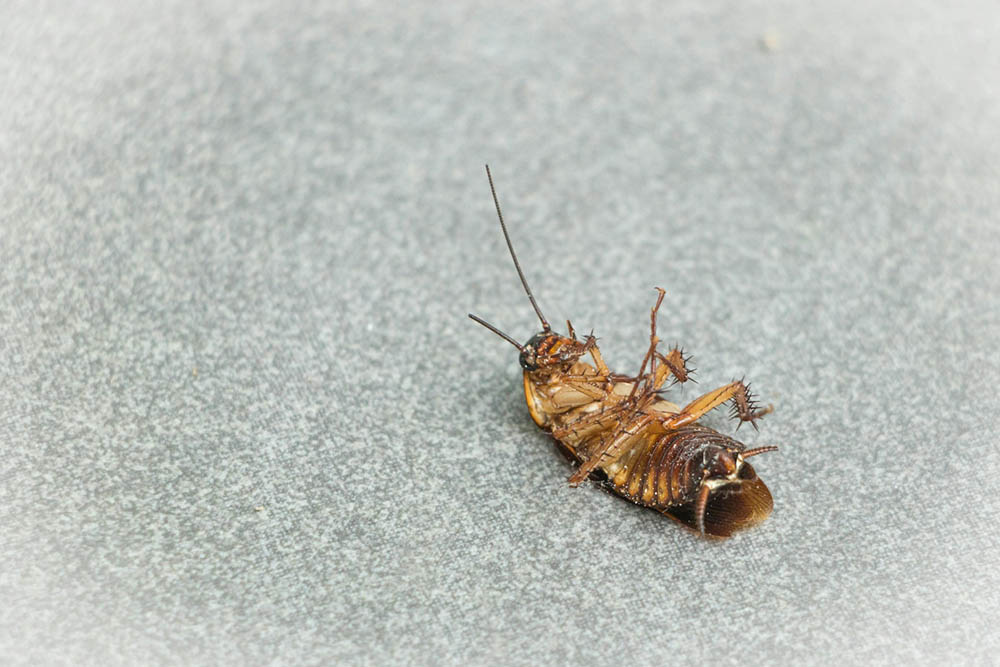
Most homeowners have experienced that uneasy moment of switching on the kitchen light late at night and spotting something dart across the counter. The first instinct is usually to downplay it. Maybe it came in from outside. Maybe it is just one bug. People tend to ignore early signs because dealing with insects feels stressful, expensive, and honestly a little embarrassing.
The problem is that infestations rarely begin out in the open. Insects settle quietly behind walls, under sinks, inside attics, and around damp areas long before they become noticeable during the day. By then, the activity has often been growing for weeks without anyone realizing it.
Why Early Signs Matter
A lot of homeowners wait too long before taking insect problems seriously because the warning signs feel minor at first. One ant trail near the pantry. A few small droppings inside a cabinet. Strange scratching sounds behind the walls late at night. People usually try quick fixes first because they hope the issue stays manageable without much effort or expense.
The trouble is that insects multiply quickly once they settle inside a home comfortably. Moisture, food crumbs, cluttered storage areas, and small wall openings give them opportunities to spread into multiple rooms before homeowners fully realize what is happening. That is usually when people turn to professional pest control because temporary sprays or traps stop working once larger nesting activity develops deeper inside the property.
Strange Smells Often Appear First
One thing people overlook constantly is unusual odor. Different insects create different smells, especially when infestations grow larger. Cockroaches often leave behind an oily or musty odor that sticks around even after cleaning. Ant colonies sometimes create sour smells near nesting areas. Damp wood affected by termites develops a stale, earthy smell many homeowners mistake for humidity problems instead.
The difficult part is that people adjust to smells gradually. Homeowners living in the space every day stop noticing changes that visitors detect immediately. Somebody new walks into the kitchen and asks about the odor while the family barely notices it anymore because the smell built slowly over time.
Air fresheners also make this worse sometimes. People mask the odor temporarily without addressing the actual source underneath it. The smell fades for a few hours, then quietly returns because the infestation itself remains active.
Droppings and Damage Around the House
Tiny droppings around cabinets, baseboards, or pantry shelves are usually one of the clearest warning signs of insect activity. People often mistake them for dirt at first, especially when the amount seems small. But insects leave consistent patterns behind once they start nesting indoors regularly.
Damaged food packaging matters too. Small tears in cereal boxes, crumbs appearing inside cabinets repeatedly, or gnaw marks near stored food usually point toward insects or rodents becoming comfortable inside the home. Some homeowners keep cleaning the same areas over and over without realizing new contamination keeps happening overnight.
Walls and wood surfaces sometimes show signs too. Peeling paint, bubbling drywall, or soft spots near windows and baseboards may indicate moisture problems attracting insects underneath the surface. Termites especially stay hidden well until damage becomes noticeable enough to affect the structure itself.
Increased Moisture Attracts More Activity
Insects are heavily drawn toward moisture, which is why bathrooms, kitchens, laundry rooms, and crawl spaces usually become problem areas first. A slow plumbing leak under the sink may seem harmless for months, but damp conditions create ideal environments for insects to settle nearby.
This happens more often in humid climates where moisture already builds naturally indoors. Poor ventilation, clogged gutters, standing water outside, and condensation around pipes all increase the chances of insects finding comfortable nesting areas close to the home.
Modern homes sometimes trap moisture more easily too because everything is sealed tightly for energy efficiency now. Reduced airflow creates damp areas people rarely notice until mold, insects, or odors begin appearing together. Those issues usually overlap more than homeowners realize.
You Notice More Activity at Night
Many insects stay hidden during the daytime because they avoid movement, light, and noise. Homeowners often assume the problem is small simply because they rarely see insects openly during regular hours. Nighttime usually tells a different story. Seeing insects consistently after dark often means activity has already grown beyond a random isolated issue. Kitchens become especially active because food residue, moisture, and warmth stay available overnight while the house becomes quieter.
Some people hear the problem before seeing it clearly. Light scratching inside walls, faint movement near ceilings, or clicking sounds inside wood structures sometimes point toward larger nesting activity hidden deeper inside the property. Those sounds are easy to dismiss at first because people naturally hope they imagined them.
Seasonal Changes Make Problems Worse
Weather changes often push insects indoors more aggressively. Heavy rain floods outdoor nesting areas. Extreme heat dries out natural moisture sources. Cooler temperatures send insects searching for warmth and shelter. Homes become easy targets during seasonal shifts because they provide stable conditions compared to outside environments. This is why some homeowners suddenly notice increased activity during certain months even though the infestation likely existed earlier. Seasonal pressure simply forces insects into more visible areas inside the home.
Holiday seasons also create conditions insects love, honestly. Extra food, cardboard boxes, crowded storage areas, and busy schedules make it easier for small infestations to grow unnoticed. People focus on work deadlines, travel plans, and family visits while insect activity quietly expands behind the scenes.
Small Openings Create Bigger Problems
One frustrating thing about household insects is how little space they need to enter. Tiny cracks near doors, gaps around plumbing, damaged window seals, and attic openings all create entry points homeowners rarely notice until activity becomes obvious indoors. Older homes often develop these gaps naturally over time as materials shift and settle. Newer homes are not immune either. Construction gaps, drainage issues, and landscaping close to the foundation still create opportunities for insects to move inside.
Homeowners usually focus on removing visible insects first without addressing how they entered in the first place. That creates a cycle where temporary treatments help briefly, then the activity returns because access points remain open. Most insect problems do not begin with dramatic infestations covering the walls overnight. They start quietly through small signs people learn to ignore for too long. A strange smell. Tiny droppings. Moisture near the sink. Bugs appearing occasionally after dark. Those details matter because insects rarely stay contained once they settle comfortably inside a home.