Have you ever wiped down your kitchen counter, looked around proudly, and then noticed the dust sitting calmly on the ceiling fan like it pays rent? Most people clean the obvious mess and move on, but deep cleaning reaches the hidden places that quietly shape health, mood, and comfort. In a time when people track air quality on their phones and buy vitamin gummies by subscription, the state of the average living room deserves far more attention than it usually gets.
The Dirt Nobody Talks About
A home can look spotless while still holding layers of grime that affect daily life. Dust mites settle into fabric, grease sticks to cabinet tops, and pet hair drifts into corners that rarely see daylight. Those hidden spots become storage units for allergens and bacteria, especially in busy households where shoes, backpacks, and delivery boxes constantly move through the front door.
The modern home also traps more particles than older houses did because better insulation keeps outside air from circulating naturally. That may save money on heating bills, but it also means indoor pollutants linger longer. It is a strange little irony of modern living that people spend hundreds on air purifiers while ignoring the inch of dust quietly building behind the television stand.
Floors Carry More Than Footprints
One overlooked problem sits directly under people’s feet every day. Rugs and carpets collect pollen, dead skin cells, food crumbs, and moisture that create ideal conditions for bacterial growth. In many homes, carpet cleaning becomes an afterthought until a stain appears or guests announce they are coming over in twenty minutes.
The issue goes beyond appearance because dirty flooring affects indoor air every time someone walks across the room. Tiny particles rise into the air and circulate through vents, especially in homes with pets or children. Experts often recommend deep cleaning carpets every six to twelve months, depending on household traffic. That schedule sounds ambitious until someone sneezes through an entire movie night and realizes the carpet has basically become a giant fabric filter nobody remembers to empty.
The Pandemic Changed Expectations
The pandemic permanently changed how people think about hygiene at home. Before 2020, deep cleaning often sounded like something reserved for springtime or television commercials featuring impossibly cheerful families. Now, many people pay closer attention to disinfecting high-touch surfaces, washing fabrics more often, and improving airflow inside their homes.
At the same time, the experience revealed how quickly clutter and dirt can affect mental health when people spend long periods indoors. Remote workers discovered that staring at dusty shelves for ten hours a day somehow feels more exhausting than it should. Deep cleaning became less about impressing visitors and more about creating a space that supports concentration, rest, and emotional balance during stressful periods.
Kitchens Hide Serious Germ Problems
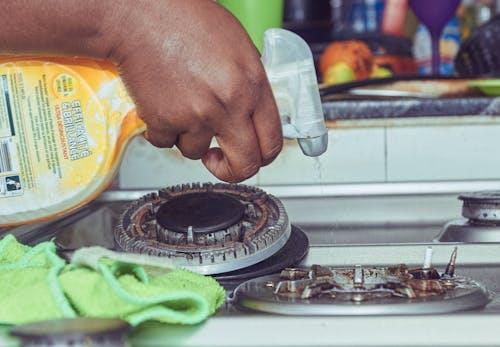
Most kitchens receive daily attention, but surface wiping alone misses many trouble spots. Refrigerator handles, sink drains, cutting boards, and microwave buttons often carry more bacteria than people expect. Food particles trapped under appliances attract insects, while grease buildup creates unpleasant odors that linger far longer than yesterday’s dinner.
A proper deep clean includes moving appliances, sanitizing hidden surfaces, and checking expired food that has quietly turned into a science experiment. This matters even more today because many families cook at home more frequently due to rising restaurant prices. Preparing meals in a cleaner environment reduces contamination risks and helps food stay fresh longer. Nobody wants to discover that the strange smell in the kitchen comes from a forgotten container hiding behind the orange juice since February.
Clean Spaces Affect Mental Health
There is strong evidence that cluttered and dirty environments increase stress levels. A messy room constantly signals unfinished work to the brain, even during moments meant for relaxation. Deep cleaning helps reset that mental pressure because organized spaces reduce visual chaos and make daily routines feel more manageable.
This explains why so many people feel oddly energized after cleaning out a closet or scrubbing a neglected bathroom. The process creates a sense of control during a period when daily life often feels overloaded with notifications, deadlines, and endless streaming recommendations. Social media may exaggerate the idea of the “perfect home,” but there is genuine emotional value in walking into a room that feels fresh, organized, and calm after a thorough cleaning session.
Technology Made People More Aware
Smart home technology has made cleanliness harder to ignore. Air quality monitors now measure indoor pollution in real time, robotic vacuums map living rooms like tiny security teams, and social media cleaning videos attract millions of views every day. The rise of “CleanTok” may seem funny at first, yet it reflects a broader cultural shift toward healthier living spaces.
People now understand that cleanliness is connected to wellness rather than simple appearance. Parents think more about allergens, renters worry about mold, and homeowners pay closer attention to ventilation. Deep cleaning also extends the life of furniture, appliances, and flooring, which matters during a time when replacing household items costs significantly more than it did just a few years ago.
Deep Cleaning Does Not Require Perfection
One reason people avoid deep cleaning is that the task sounds exhausting before it even begins. Social media often presents spotless homes that look professionally staged, making ordinary households feel inadequate. In reality, effective deep cleaning depends more on consistency than perfection.
Breaking tasks into smaller projects makes the process manageable. Cleaning vents one weekend, washing curtains the next, and organizing storage spaces gradually creates noticeable improvements without turning the entire month into a cleaning marathon. Using simple tools such as microfiber cloths, baking soda, and vacuum attachments often works better than expensive products loaded with flashy marketing promises. The goal is not to create a showroom. It is building a healthier space where people can breathe easier, sleep better, and feel more comfortable living their everyday lives.
A truly clean home changes the atmosphere in ways people notice immediately but rarely describe clearly. The air feels lighter, rooms seem calmer, and daily routines become less frustrating because the environment supports rather than distracts. Deep cleaning may never become anyone’s favorite hobby, although internet influencers keep trying to convince the world otherwise. Still, the benefits reach far beyond appearance. In a society increasingly focused on wellness, prevention, and mental balance, maintaining a deeply clean living space has quietly become one of the most practical forms of self-care available.