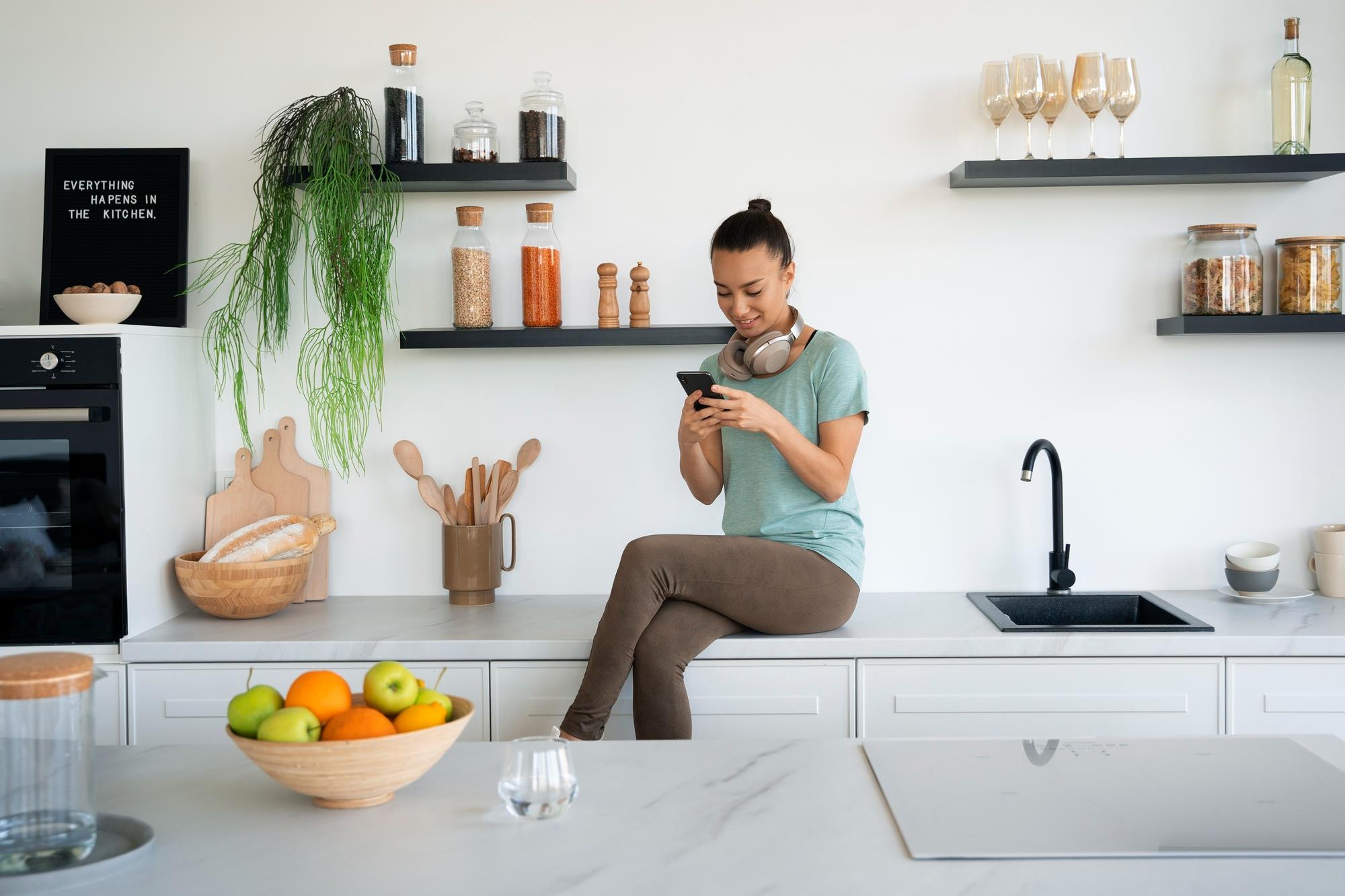
Imagine walking into your kitchen on a busy weekday morning. Fresh fruit is within easy reach, meal-prep ingredients are neatly organized, filtered water is available at the touch of a button, and your favorite healthy appliances are ready to use. There’s no clutter, no searching through crowded cabinets, and no barriers standing between you and a nutritious meal.
For many homeowners, this vision isn’t just about convenience, it’s about creating an environment that supports healthier daily habits.
The kitchen has evolved far beyond its traditional role as a place to cook. Today, it serves as a wellness hub, a family gathering space, and often the starting point for personal health goals. As interest in healthy living continues to grow, more homeowners are looking for practical ways to transform their kitchens into spaces that make nutritious choices easier and more enjoyable, notes Intersection Real Estate. The good news is that creating a wellness-focused kitchen doesn’t necessarily require a complete renovation. Strategic upgrades, thoughtful organization, and carefully chosen appliances can have a significant impact on both functionality and lifestyle.
Here are some of the smartest kitchen improvements for homeowners who want their living spaces to actively support healthier habits.
Upgrade Your Food Preparation Zone
Healthy eating often begins with food preparation. Unfortunately, many kitchens make meal prep more difficult than it needs to be.
One of the most valuable improvements homeowners can make is increasing the functionality of their food preparation area. When countertop space is limited, cooking can feel frustrating and inefficient. Chopping vegetables, organizing ingredients, and preparing meals all require room to work comfortably.
If a full renovation isn’t practical, smaller upgrades can still make a difference. Portable kitchen islands, countertop extensions, and strategic reorganization can create additional workspace without major construction.
Surface materials also deserve careful consideration. Durable, easy-to-clean countertops encourage more frequent cooking by simplifying maintenance. Quartz remains a popular option because it resists stains, scratches, and moisture while requiring minimal upkeep. For those who want a professional-grade finish, stainless steel sheet countertops provide exceptional durability, resist bacteria, and make cleanup effortless — a smart choice for health-conscious households.
Organization is equally important. Cluttered kitchens can make even simple meal preparation feel overwhelming. Drawer dividers, pull-out shelves, and dedicated storage zones help keep essential tools accessible and reduce time spent searching for equipment.
Consider creating a dedicated prep station stocked with frequently used items such as cutting boards, knives, mixing bowls, and measuring tools. When everything has a designated place, healthy cooking becomes significantly more efficient.
The easier it is to prepare fresh meals, the more likely those meals are to become part of your regular routine.
Incorporate Appliances That Support Healthy Eating
Kitchen appliances should do more than occupy space. Ideally, they should help homeowners achieve their lifestyle goals.
One of the most common mistakes people make when upgrading a kitchen is purchasing trendy gadgets they rarely use. Instead, focus on appliances that genuinely complement your habits and nutritional priorities.
For many health-conscious homeowners, blenders, food processors, and juicers provide excellent value because they simplify the preparation of fresh ingredients. Smoothies, soups, sauces, and homemade beverages become easier to incorporate into daily life when the right tools are available. Homeowners who regularly prepare fresh juices may appreciate features that reduce prep time, such as those found in a self-feeding mega hopper juicer, which allows larger quantities of produce to be processed with less hands-on effort.
When selecting appliances, consider factors such as ease of cleaning, storage requirements, durability, and frequency of use. An appliance that is difficult to maintain often ends up collecting dust in a cabinet.
Modern cooking technology also offers impressive opportunities to support healthy eating. Steam ovens help preserve nutrients while creating flavorful meals. Air fryers allow homeowners to enjoy crispy textures using significantly less oil than traditional frying methods. Multi-cookers streamline meal preparation by combining several functions into a single appliance.
These upgrades are particularly valuable for busy households. Convenience often plays a major role in food choices, and appliances that save time can make healthy cooking more accessible on hectic days.
The goal isn’t to fill the kitchen with gadgets. It’s to invest in tools that remove obstacles and encourage nutritious habits.
Improve Water Quality and Food Storage
Many homeowners focus on cooking appliances while overlooking two critical components of a healthy kitchen: water quality and food storage.
Water is one of the most frequently consumed substances in any household. Installing a water filtration system can improve taste, reduce unwanted contaminants, and encourage better hydration.
There are numerous options available, ranging from simple under-sink filters to whole-house filtration systems. The best solution depends on household needs, budget, and local water conditions. Regardless of the system chosen, easy access to filtered water can make healthy hydration more convenient.
Food storage deserves equal attention.
Even the healthiest grocery purchases provide little benefit if they spoil before being used. Proper refrigerator organization helps maximize freshness while reducing food waste.
Many homeowners discover that poor visibility is one of the primary reasons produce goes unused. Fruits and vegetables hidden behind containers or stored in overcrowded drawers are easily forgotten.
Simple organizational upgrades can make a significant difference. Clear storage bins, labeled containers, and designated produce zones improve visibility and encourage healthier food choices.
Consider creating specific areas for nutritious snacks and meal-prep ingredients. Keeping fresh fruits, cut vegetables, yogurt, and other healthy options within easy reach increases the likelihood that they’ll be chosen over less nutritious alternatives.
Food storage isn’t simply about organization. It’s about creating an environment that supports better decisions throughout the day.
Design a Kitchen That Encourages Long-Term Healthy Habits
The most effective kitchen upgrades are those that support behaviors over the long term.
Accessibility is one of the most powerful yet overlooked design principles. People naturally gravitate toward options that require the least effort. If healthy ingredients and useful appliances are easy to access, they’re more likely to be used regularly.
Store frequently used items in convenient locations. Place healthy snacks at eye level. Keep meal-prep tools within reach. Reduce the number of steps required to prepare nutritious foods.
Lighting also plays a surprisingly important role in kitchen functionality. Poor lighting can make food preparation feel more difficult and less enjoyable. Bright, well-designed task lighting improves visibility while creating a more inviting workspace.
Natural light offers additional benefits. Kitchens that receive ample daylight often feel larger, more welcoming, and more pleasant to use. If increasing natural light isn’t possible, strategic lighting upgrades can still improve the overall atmosphere.
Another important consideration is sustainability.
The healthiest kitchen is not necessarily the most expensive or technologically advanced. It’s the one that supports realistic, repeatable routines. Homeowners should focus on upgrades that fit their actual lifestyles rather than aspirational ideals.
For example, a family that enjoys meal prepping every Sunday may benefit from additional refrigeration storage and prep space. Someone who prioritizes fresh beverages may find greater value in investing in quality food-preparation equipment.
Thoughtful design should reflect real habits and daily needs.
When kitchen improvements align with how people actually live, those improvements deliver lasting benefits rather than temporary excitement.
Conclusion
A health-conscious kitchen isn’t built around trends, it’s built around functionality, convenience, and intentional design.
By upgrading food preparation areas, choosing appliances that support nutritious habits, improving water quality and food storage, and creating an environment that encourages healthy routines, homeowners can transform their kitchens into spaces that actively contribute to their well-being.
Perhaps the most encouraging aspect of these upgrades is that many don’t require major renovations. Small improvements in organization, accessibility, and workflow can have a surprisingly large impact on everyday life.
The kitchen remains one of the most frequently used spaces in any home. When designed thoughtfully, it becomes more than a place to prepare meals. It becomes a space that supports wellness, simplifies healthy choices, and enhances quality of life for years to come.
Investing in a smarter kitchen isn’t just an investment in your home, it’s an investment in the habits and routines that shape your daily health.