After you are in a car accident, fixing your car takes more than just fixing dents or adding new paint. Today, cars are built to keep you safe. They have things like driver-assist systems, strong steel parts that take hits, and sensors. If you do not go to a certified auto body repair shop in Houston and pick a shop you cannot trust, your car could get weak in ways you cannot see. It could also lose value fast.
This guide will show you how certified repairs help keep your car as safe as before. You will see how they protect what your car is worth even if you want to sell it later. The process with insurance also gets easier. No matter if you have a small dent or a lot of damage, you need someone you can trust. A certified auto body repair shop in Houston brings your car back to the way it should be so you will not have any problems down the road.
1. Safety Restoration: Why Structural Integrity Matters
When two cars hit each other, the car’s frame takes in the energy to keep people safe. After this hit, the metal shape is not as strong as it was when new.
Certified collision repair helps bring your car back to shape. The team uses laser-measuring tools and follows OEM steps. These make sure that the crumple zones and the safety frame work as they should if there is a crash in the future.
Precision Frame Straightening
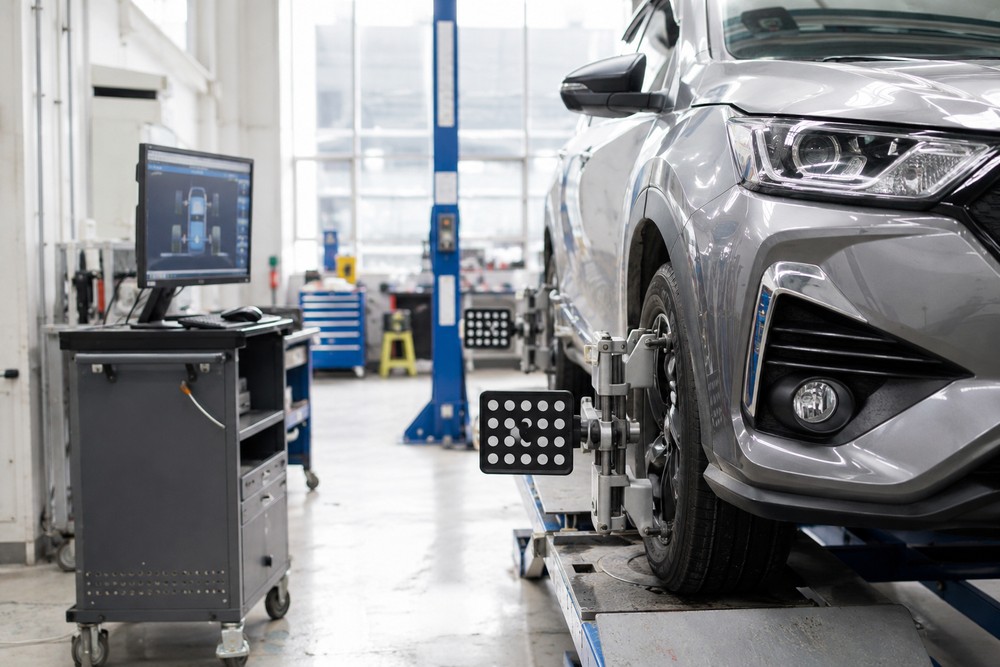
Modern unibody designs need frames to match up within a tiny space. Certified technicians use computers to measure and line up damaged frames so they are back to how they were made at the factory:
- 3D Laser Measurement: Makes a map of frame points. This is done by using CAD blueprints from the maker.
- Controlled Pulling With A Machine: Fixes strong parts of the frame by pulling. This does not make the nearby metal weak.
- Steel Strength: Finds parts made of strong steel (HSS). These have to be replaced with new ones. They should not be fixed by using heat.
2. Advanced Driver Assistance Systems (ADAS) Calibration
Today’s cars come with sensors, radar units, and cameras. You can find them right inside the bumpers, on side mirrors, and in the windshields. A small accident can knock these sensors out of place, even by just a little bit.
The Calibration Process
- Diagnostic Pre-Scan: Finds fault codes in blind-spot monitors, lane-keep assist, and forward warning modules.
- Structural Realignment: Makes sure sensors face exact factory axes.
- Static & Dynamic Calibration: Uses special targets and on-road tests to check real-time safety response.
3. Preserving Vehicle Equity and Resale Value
A car will lose a lot of its market value if repair work from an accident stands out or does not pass checks. Today, repair shops keep your car’s value by using the right parts and making sure the finish looks perfect.
Paintless Dent Repair (PDR) vs. Traditional Refinishing
- Paintless Dent Repair (PDR): This is good for fixing hail damage or small door dings when the paint on your car is still good. A technician will get behind the area and work on it until it gets back into shape. No fillers are used.
- Computerized Color Matching: If your car needs painting, special cameras check how old the clear coat is. They help mix the right colors, so you do not see different shades.
Benefits and Limitations of Repair Types
- Benefits of Certified Repair: Keeps the safety ratings of the car, makes sure there is protection from rust, and helps keep clear records if you want to sell the car later.
- Limitations to Consider: OEM-certified steps can take more time because you may have to wait while they get real parts from the company instead of using other parts.
4. Navigating Insurance Claims and Repair Rights
Many people feel unsure about the difference between what the insurance company suggests and which certified shop they pick.
- Know Your Rights: A person with a car gets to pick a place where it gets fixed. Insurance can not make you use a certain place to repair your car.
- Direct Insurance Billing: Good body shops talk to insurance people to work things out. They also handle extras and make sure you get a rental car.
- OEM Parts: A great shop will push to use real parts from the maker, not fake parts that mess up how your car fits and how safe it is.
Working with an auto body repair shop in Houston means you get clear paperwork about the repair. It also helps make the insurance claim process smooth.
Conclusion
Restoring a car after an accident means you have to care about both safety right away and keeping its value over time. Certified collision repair makes sure your car’s frame, safety sensors, and outside look be like they were when new. If you use OEM standards and skilled techs instead of simple fixes, you help keep your people safe and protect what you have spent on your car. Picking a trusted repair shop lets you feel good each time you drive.