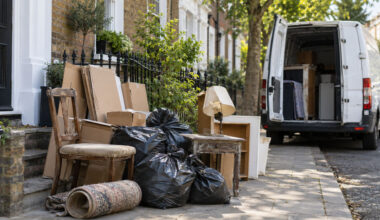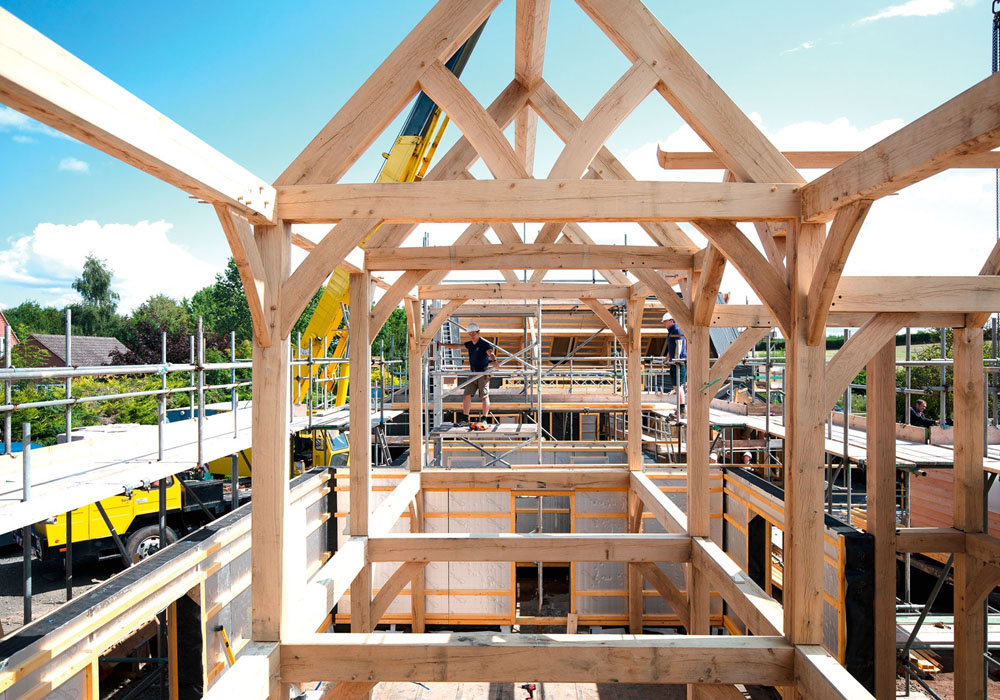
Over one in three Australian households engaged in home improvement projects over the last year, pushing the national renovation market value above $48 billion. Melbourne currently ranks as Australia’s second most expensive city for renovations, prompting homeowners to seek smarter, long-term investments in durable building materials. Similar trends are visible in Sydney and Brisbane, where soaring property values justify substantial renovation budgets. At the same time, demand for eco-friendly home upgrades is surging. Market data indicates that nearly half of Australian homes now feature at least one energy-efficiency or sustainability-focused upgrade, from solar panels to insulated glazing. If you are exploring different types of home improvement strategies, choosing the right building materials is a crucial first step. One of the most impactful choices you can make is integrating regional timber into your design, marrying aesthetic appeal with environmental responsibility.
The Environmental Case for Domestic Wood
While imported timber might seem convenient for a quick renovation, it carries a significantly higher embodied carbon footprint due to the heavy emissions generated by international ocean freight and long-haul trucking. Furthermore, industry experts estimate that approximately 14 percent of imported wood products globally are linked to illegal tropical forest harvesting. This highlights the severe environmental and ethical risks of relying on offshore materials for local builds. By contrast, using Australian-grown timber supports national sustainability targets. According to researchers at The University of Queensland, maximising the use of domestic timber effectively removes carbon from the environment and stores it, playing a critical role in the transition to a net-zero economy. With recent updates to the National Construction Code enforcing a 7-star energy rating for new residential projects and major renovations, builders are increasingly turning to thermally efficient, sustainable materials to meet these strict new standards. Domestic timber acts as a natural insulator, reducing your daily reliance on artificial heating and cooling systems.
Finding the Right Materials Close to Home
Sourcing materials locally is not just about reducing carbon emissions, as it also directly supports regional economies and ensures a transparent, highly traceable supply chain. Following the Victorian government’s 2024 transition away from commercial native forest logging, small-scale regional operations and agroforestry farms have become critical for supplying sustainably grown hardwoods to the construction market. Getting your materials directly from a local Sawmill in Victoria eliminates extensive supply chain markups and significantly cuts the transportation emissions typically associated with major national hardware retailers. Working directly with regional suppliers also means you can access bespoke cuts and gain expert advice on which timber suits your specific climate. These family-operated facilities often employ a zero-waste production cycle, milling agroforestry logs using off-grid solar power. They ensure that byproducts like sawdust and offcuts are thoughtfully repurposed into farm compost, animal bedding, or firewood rather than ending up in a local landfill.
Practical Ways to Use Hardwoods in Your Renovation
Australian native hardwoods are highly favoured in residential upgrades because of their incredible structural density, natural resilience, and timeless visual appeal. If you are planning a renovation, here are some smart ways to incorporate these materials into your home design:
- Exterior Cladding: Timber species like Southern Blue Gum are especially sought after for architectural shiplap and exterior cladding. Their rich grain and warm tones provide immense aesthetic value, while their proven longevity stands up to harsh coastal and regional climates perfectly.
- Bushfire Resistant Upgrades: Durability is essential for Australian homes. Dense native species such as Ironbark, Spotted Gum, and Blue Gum offer exceptional natural fire resistance. This helps regional homes meet strict Bushfire Attack Level standards without sacrificing visual appeal.
- Outdoor Living Spaces: Extending your living area with a high-quality hardwood deck is a fantastic way to increase overall property value. Locally milled timber provides a robust foundation for outdoor entertaining areas, blending seamlessly with the natural Australian landscape.
- Interior Features: Beyond structural applications, regional timber can be used for exposed beams, custom cabinetry, bespoke shelving, or feature walls. These additions bring incredible warmth and rustic character to modern, energy-efficient spaces.
Making a Lasting Investment
Renovating a home is a significant financial and emotional commitment that requires careful planning at every stage. By choosing sustainable, locally sourced materials, you are investing heavily in the structural integrity of your property while making a highly environmentally responsible choice. Whether you are updating your home exterior to meet new energy codes, building a custom outdoor deck, or simply refreshing your interiors, domestic hardwoods offer an unbeatable combination of durability, beauty, and ecological peace of mind. Collaborating with regional suppliers guarantees that your renovation dollars stay within the local community while helping to build a greener, far more sustainable future for the Australian housing market as a whole.